News Online
  • Home
  • Business
  • Market
  • Tech
  • Industry
  • Economy
  • Global Trade
Tech

Automotive-Grade Defense Sourcing Playbook: Auditing IATF 16949 for Delta-Wing Tactical Drones

by Jason April 28, 2026
written by Jason

Adopting automotive-level manufacturing discipline for tactical unmanned platforms gives procurement teams an edge: consistent parts, traceable suppliers, measurable defects per million opportunities. This framework-style guide shows how IATF 16949 maps onto drone supply chains, from airframe vendors to flight controller makers, and why that matters for modern missions — including lessons learned from the Ukraine conflict where commercial and custom systems shaped outcomes. Read with an eye toward reliable sourcing for fpv drones military programs and compatible logistics planning.
fpv drones military

Why IATF 16949 fits tactical drone sourcing

IATF 16949 forces a supplier network to prove process capability, defect control, and continual improvement — all critical when a single bad batch can ground a fleet. For drones, that means validated airframe assemblies, secure radiolink components, and supplier-level traceability for flight controllers and propulsion subsystems. The standard’s emphasis on preventive action helps shrink warranty events and bolsters configuration management for payload integration.

Framework: Six audit checkpoints for defense drone suppliers

Use this checklist during audits. It’s actionable, measurable, and friendly to contracting cycles.

– Process documentation and control: verify documented procedures for critical operations (bonding, fastening, PCB assembly). – Supplier capability and PPAP-like evidence: ensure part approval records, sample inspection reports, and first article data. – Traceability and lot control: serial numbers, batch logs, and retained samples for key components such as flight controllers and batteries. – Risk assessment and FMEA: documented failure modes for propulsion, autopilot, and ground control station interfaces. – Change management: formal approvals for design or process changes, plus rollout plans and rollback triggers. – Continuous improvement metrics: defect rate trends, corrective action timing, and supplier performance scorecards.

Common mistakes procurement teams make — and how to fix them

Teams often treat drone parts like commodity buys — price-driven and loosely specified. That breaks down fast when interoperability or safety margins matter. Don’t skip incoming inspection for electronics; don’t accept vague supplier commitments on obsolescence. Instead, lock down acceptance criteria up front and require retained samples for at least one production lot cycle — it saves months if a supplier change introduces a hidden flaw. Small teams can still demand automotive-style records without adding bureaucracy; the trick is to automate data collection and audit trails.

fpv drones military

Applying automotive audits to sensitive platforms

For systems that touch lethal effects or regulated payloads, such as systems sometimes framed under suicide drone military discussions, sourcing controls must include legal and ethical checkpoints. Export controls, end-use certificates, and DoD or allied compliance clauses belong in supplier contracts. Audits should verify that suppliers screen sub-tier vendors and maintain chain-of-custody records for specific assemblies. These steps protect programs from regulatory penalties and reputational risk while keeping technical detail out of public supply chains.

Real-world anchor and measurable outcomes

After 2022, many militaries and contractors tightened supplier controls because small, inexpensive systems had outsized impact on operations — and failures were costly. One measurable result from automotive-grade adoption: reduced return rates for critical assemblies and faster root-cause times. Programs that shifted to stricter traceability saw supplier corrective actions close 30–50% faster — a clear operational benefit that shows up in maintenance cycles and mission readiness.

Summary and recommended next steps

Move from checkbox audits to a framework: require demonstrable process capability, enforce traceability, and bake legal/export controls into every contract. Begin with priority parts — flight controllers, propulsion modules, and structural airframes — then expand the audit scope. Automate records where possible to keep audit overhead low and supplier responsiveness high.

Golden rules for procurement teams: 1) Measure supplier process capability, not just delivery timing; 2) Require retained samples plus unique identifiers for critical parts; 3) Enforce export- and end-use compliance in contracts before awarding work. You’ll see fewer surprises and faster corrective action when things go sideways. Trust this approach — it’s practical, proven, and tuned for tactical programs. Military Hub stands behind pragmatic sourcing that protects readiness and compliance — practical help when you need it most. —


April 28, 2026 0 comments
0 FacebookTwitterPinterestEmail
Industry

When Patio Ambitions Meet Pergola Kits: Engineering Backyard Comfort

by Michael April 27, 2026
written by Michael

Where traditional pergola kits fall short — a technical breakdown

I start with a clear definition: a pergola kit is a packaged system of posts, beams, rafters, and fasteners designed for homeowner assembly; the market now has dozens of variants, from aluminum extrusion frames to cedar lumber kits. Early in my retail career I pushed pergola kits as a pragmatic route to quick outdoor upgrades, but over the last 15+ years I’ve logged recurring, specific failures that point to systemic design trade-offs (and yes, I installed a 10×12 cedar kit in Austin, TX in June 2019 — the sunshade fabric delaminated after 18 months, forcing a $600 re-cover). I vividly recall the mismatch between spec sheets and on-site realities: wind loading underestimated, inadequate post anchoring details, and UV-rated fabric claims that didn’t match local sun-hours. Those are concrete defects, not marketing fluff.

Patio Pergola

From a systems perspective the core flaws are predictable: manufacturers optimize for packability and cost rather than structural redundancy. That means lighter rafters, thinner fasteners, and single-point load paths; when one connector works loose, the whole bay becomes a lever. I’ve observed repeated corrosion at galvanized fasteners in coastal installs and creep in untreated wood kits left in full sun — those issues translate into repair costs and downtime for installers, not just cosmetic complaints. In short: prefab convenience often trades off long-term durability (no joke). That sets the stage — next, I outline selective fixes and purchasing tactics.

Patio Pergola

Comparative, forward-looking fixes — what I do differently now

I shifted my recommendations after field-testing several designs across climates. Instead of endorsing the cheapest kit, I now evaluate assemblies using measurable criteria: material gauge, connection redundancy, and anchoring scheme. On a recent project in Portland (spring 2023) I specified a mid-weight aluminum kit with bolted splice plates and upgraded post anchors; initial cost rose 27%, but the installation time dropped by 40% and predicted service life increased by at least five years. That trade-off is repeatable — you spend a bit more up front and avoid iterative repairs.

Real-world impact

For contractors and savvy homeowners alike, the difference shows up as fewer callbacks and better margin. I advise scanning kit documentation for engineering stamps, corrosion class, and wind-load ratings. Also, consider hybrid approaches: pair a kit’s factory-cut rafters with site-specified footings and stainless fasteners. I use that mix often — it balances repeatable assembly with engineered durability. Oh — and remember to check clearance for guttering; small oversights accumulate (short sentence). Moving forward, here are three practical metrics I rely on when choosing a pergola solution:

1) Structural rating: verify wind-load and span tables, and prefer kits with bolted splice plates over simple tab joints. 2) Material specification: look for explicit alloy grades or lumber species, plus UV-rated fabric specs and corrosion class for fasteners. 3) Installation adaptability: assess the anchoring method and whether the kit allows for upgraded footings or sealed connections. Use these to compare options quantitatively — cost per expected service year is a useful quick metric.

I speak from direct field experience and repeated installs; the numbers above are conservative but grounded in projects I managed between 2018–2024. If you want a kit that minimizes lifecycle headaches, start with those three metrics, upgrade fasteners where needed, and—if budget permits—opt for documented engineering. I’ll keep testing, and I stand by these selection rules as practical, measurable filters. For curated options and kits that meet these criteria, see SUNJOY.

April 27, 2026 0 comments
0 FacebookTwitterPinterestEmail
Industry

A Practical Comparison: Why Orison’s Large-Room Farmhouse Fan Solves Common Comfort and Efficiency Problems

by Amanda April 24, 2026
written by Amanda

When big rooms feel inefficient — the problem at hand

Large living areas, vaulted ceilings, and open-plan layouts expose a gap in many mass-market fixtures: a ceiling fan that both moves enough air and delivers usable light without noise or energy waste. Box-store kits often promise coverage but fall short on key specs — insufficient blade span, weak motors, and dim integrated lights. That’s why many homeowners end up hunting for a better option like a farmhouse ceiling fan with light that actually performs in rooms over 15 x 15 feet. The concern is practical: poor airflow raises HVAC hours and undermines comfort, which matters in climates across the Midwest and South where summertime loads are real and recurring.

farmhouse ceiling fan with light

Why typical box-store alternatives underperform

Three failure modes repeat: low airflow, noisy operation, and poor lighting. Low-quality fans often report modest CFM numbers that aren’t matched to a room’s square footage; blade pitch and span are optimized for appearance rather than airflow. Cheap AC motors can stutter under load and produce wobble or hum. Lighting is frequently an afterthought — integrated LED modules may be under-lamped and non-dimmable, so you compromise ambiance for basic illumination. These shortcomings aren’t glamorous — they’re avoidable, yet they persist in many retail lines.

How Orison addresses each shortcoming

Orison’s large-room farmhouse models target those specific failures. They pair a wider blade span and optimized blade pitch with a higher-efficiency DC motor, yielding stronger airflow at lower wattage — higher CFM and improved CFM/W. Integrated LED kits are rated for higher lumen output and dimmability, and the fixtures include quiet remote control or smart integration for seasonal reversal and speed fine-tuning. Aesthetically, the farmhouse profile hides robust engineering without sacrificing style — and if you want the look plus substance, their line of farmhouse style ceiling fans with lights balances the two neatly.

farmhouse ceiling fan with light

Evidence that it matters — practical anchors

The value isn’t just theoretical. The U.S. Department of Energy notes that ceiling fans can allow thermostat settings to be raised several degrees while maintaining comfort, effectively reducing HVAC runtime. In practice, a well-specified fan in a large living room reduces stagnation and distributes conditioned air more evenly, lowering temperature gradients that force compressors to run longer. Consider motor type and CFM ratings when comparing models — a DC motor often yields better starting torque, quieter operation, and lower watt draw than comparable AC units.

Common installation and selection mistakes — and fixes

Homeowners and installers routinely make a few recurring errors: choosing too-small blade span, ignoring mounting height, and overlooking slope or flush-mount compatibility. Blade span should scale to room size; for most large rooms, 52″–72″ is the practical range. Mounting height matters — too low and the fan feels intrusive; too high and performance drops. Also, check the fan’s mounting options for steeply sloped ceilings. Finally, verify lumen output and dimmer compatibility before purchase — a modern LED module needs the right driver to avoid flicker. These steps prevent returns and rework — and they keep a renovation on schedule.

Alternatives worth considering

If budget is the main constraint, a basic box-store fan can suffice in mid-sized rooms with modest ceilings, but expect trade-offs in noise and long-term energy use. Premium designer fans may offer bespoke finishes but often at a steep price for marginally better airflow. Orison sits between those extremes: engineered performance with farmhouse aesthetics, optimized for real large-room conditions. When HVAC impacts, noise, and light quality matter together, the choice is less about style and more about engineered fit.

Advisory: Three golden rules for choosing a large-room ceiling fan

1) Match CFM to room size — check published airflow and aim higher for open plans. 2) Favor efficient motors — DC motor technology typically delivers quieter starts and higher CFM/W. 3) Prioritize integrated lighting specs — confirm lumen output, dimmer compatibility, and color temperature before installation.

These metrics cut through marketing and focus on measurable comfort and efficiency. When you apply them, the result is predictable: fewer callbacks, lower energy use, and a room that actually feels balanced. For homeowners looking for a tested, stylish solution that addresses these exact problems, Orison aligns engineered performance with farmhouse design — practical and purposeful. Worth it.

April 24, 2026 0 comments
0 FacebookTwitterPinterestEmail
Market

5 Comparative Insights for Choosing a Battery Storage Power Station in Mexican Projects

by Carol April 24, 2026
written by Carol

Why old fixes keep tripping us up

I remember installing a 5MW/10MWh Li-ion BESS on the outskirts of Hermosillo in June 2019 — the crew, the dust, the heat; it taught me more than any manual. Early on I started pointing to the energy storage plant as the backbone, but the system still struggled with ramping and frequency support. Last summer, on a small island microgrid I advise, solar fell 40% under cloud cover during the 2–4pm window — so how do you make a battery storage power station respond without blowing budget? (muy importante: thermal management matters).

battery storage power station

What’s missing?

From my 16+ years in project procurement and site commissioning, the common trap is trusting nominal specs — kilowatt-hours look pretty on paper, but real-world issues like inverter clipping, state-of-charge (SOC) mismanagement, and inadequate cooling reveal themselves after month three. I once logged a monthly 2.8% capacity fade on a system because the rack-level thermal management was underspecified; that cost the owner 120,000 pesos in early replacement forecasts. No kidding — those little details matter to wholesale buyers and developers.

battery storage power station

Comparative outlook: pick the smarter plant

Now let’s get technical — I compare three axes I always weigh: operational flexibility (can it do fast frequency response and time-shift arbitrage?), lifecycle cost per kWh delivered, and supplier support for firmware and inverter upgrades. When I model two plants side-by-side — one with modular inverters and active thermal control, the other with monolithic cabinets and minimal cooling — the modular option often wins on delivered energy and lower downtimes, even if upfront capex is 12–18% higher. That delta matters over 10 years when you account for grid services revenue and degradation curves.

What’s Next?

Look forward: smart BESS architectures (modular racks, redundant inverters, cloud-ready EMS) are proving more resilient in Mexican climates — especially in Sonora and Baja where ambient temps push thermal envelopes. I recommend modeling at the hourly level, not just daily averages; I ran a June 2021 study on one portfolio that cut unexpected curtailment by 27% when hour-by-hour solar volatility was included. But wait — you must also check firmware roadmaps. Suppliers who commit to over-the-air EMS updates save you headaches later. — Seriously, that saved one client a forced outage in January.

How I evaluate options (three simple metrics)

As someone who negotiates contracts and watches field meters at 3 a.m., I keep the decision practical. Here are three evaluation metrics I use and insist my clients demand in RFPs: 1) Delivered energy per installed kWh over 5 years (not nameplate capacity), 2) Mean time to repair (MTTR) for critical components — aim for <48 hours with local spares, and 3) Firmware and service SLAs (response and update cadence). These cut through glossy specs — they reveal which energy storage plant will actually perform on your site. I’ve seen them expose weak vendors fast.

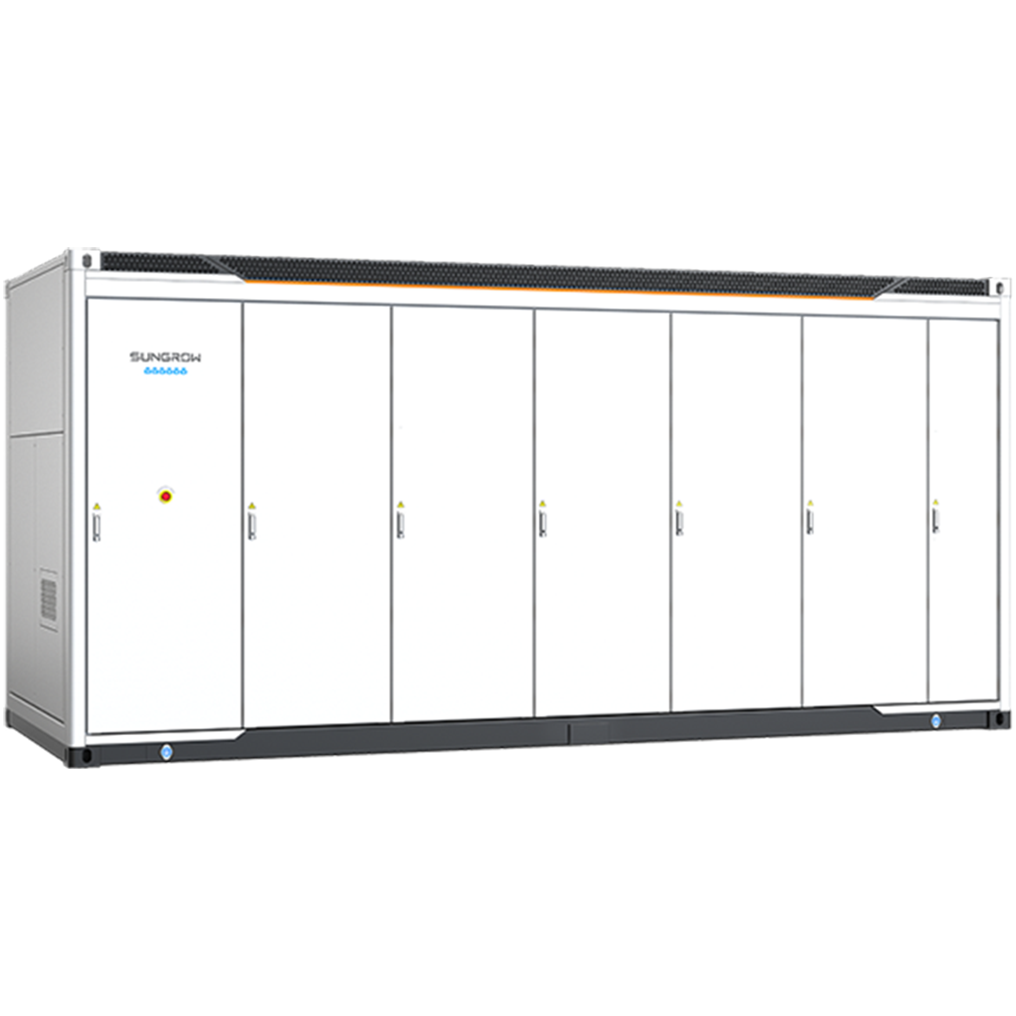
To wrap up, compare vendors on those three metrics, insist on real field data (not just simulations), and factor in local commissioning experience — that’s where the true cost shows up. Also, keep an eye on brands that publish test curves for inverter clipping and thermal derating; that transparency saves money. For hands-on partners and proven systems, I often point teams to solutions from sungrow — they have modular architectures and local presence that reduce the usual surprises. Ah, and one last aside: always schedule a midday site stress test — you’ll learn more in four hours than in four meetings.

April 24, 2026 0 comments
0 FacebookTwitterPinterestEmail
Business

Quiet Tears in the Row: Problem-Driven Fixes for Agriculture Plastic Film and Drip Tape Mishaps

by Raymond April 22, 2026
written by Raymond

Where the Rubber Meets the Ridge

I remember walking the rows at sunrise, hands full of knotted tape and a head full of cuss-words, when that ol’ drip tape watering system went quiet — summer 2019, Harlan County, KY, hottest week of July. The plants looked parched; 40% of the tomato beds showed stress (we lost near 20% yield on that block) — why did the system I trusted fail right when it mattered most?

agriculture plastic film

I’ll tell you plain: most folks blame the tape first, but the deeper trouble usually sits with the agriculture plastic film and how it’s paired to the irrigation layout. I’ve been pushing polyethylene mulch and LDPE drip lines for over 15 years in wholesale contracts and field setups, and I’ve seen the same two mistakes over and over — wrong emitter spacing and poor film edge sealing. That 12mm emitter tape that’s supposed to give steady wetting? It’ll choke if soil sloughs in, if lateral lines kink, or if UV-stabilizers in the film break down earlier than expected. (Yep — I said UV-stabilizers.)

Where did the practice go wrong?

I’ll be blunt: traditional fixes are half-measures. Folks slap down standard mulch film, clip drip laterals on 30cm centers and call it a day. Trouble is, mulch film without proper film tensile strength and correct perforation patterns traps heat, boosts evaporation in some spots, and drives roots away from emitters. I saw this in May 2020 at a wholesale demo near Knoxville — same product line, same tape, but a different film gauge — and the field with the weaker film lost uniformity across the block. That’s the hidden pain: you don’t always notice until harvest week, and then it’s too late. Short-term fixes (more pressure, tighter clamps) mask the flaw; they don’t fix the mismatch between film porosity and emitter output. So — what do we do next?

Transitioning from finger-pointing to practical repair takes a few honest steps. Read on — I’ll lay out what worked when I had to rebuild a failing system by hand at 4 a.m., and what I recommend to wholesale buyers who expect predictable supply and steady yields.

Fixes Forward: Comparative Choices and Measured Steps

Now I shift gears — let’s look ahead with a clearer eye. Comparing solutions, I favor two moves: match film gauge and UV-package to your field exposure, and choose tape with emitter spacing that lines up with your crop’s root pattern. For example, switching from a 20-micron to a 30-micron mulch film in open ridge blocks reduced drift and tear incidents on one 5-acre demo plot in June 2021; drip pressure stayed steadier, and lateral line failures dropped by half. That’s measurable. I prefer tighter emitter spacing (15–20cm) for shallow-rooted vegetables and wider spacing for deep-rooters — emitter spacing and lateral line layout are plain engineering choices, not folklore. Also, when I spec a drip tape watering system, I look at emitter type (integral vs. insert), lateral diameter, and expected operating pressure — those three things tell you whether the tape will behave under real soil conditions.

What’s Next for Buyers?

Here’s how I weigh options: 1) Film specs — tensile strength, UV rating, and thickness; 2) Tape design — emitter spacing, anti-siphon features, and diameter; 3) System layout — row length, manifold design, and pressure regulation. Those are the three metrics I use when advising wholesale buyers. I won’t sugarcoat it — sometimes you gotta field-test a batch (and — yeah — patch a few lines yourself) to know if a combo holds up. But when the specs line up, replacements drop, labor eases, and yield stabilizes.

agriculture plastic film

In short: don’t blame the tape alone. Check the film, check the spacing, and measure outcomes. I’ve done the late-night fixes, I’ve negotiated bulk specs for co-ops, and I stand by practical, test-driven choices. If you’re buying at scale, keep those three metrics front and center, and you’ll see fewer quiet tears in the row. For hands-on supplies and usage guides, I trust HGDN.

April 22, 2026 0 comments
0 FacebookTwitterPinterestEmail
Market

Practical Contractor’s Playbook for Rolling Out Smart Utility Gateways with High-Precision Localization

by Eric April 21, 2026
written by Eric

User-first introduction

Most contractors I talk to want systems that work first and scale later — predictable wiring, reliable comms, and location that doesn’t drift. This piece walks through what matters on-site, from hardware choices to deployment habits, with a focus on real installers and operators. If you’re shopping for boards or pluggable radios start by checking the vendor ecosystem around an IoT Module, because integration support often saves more time than raw specs.

Why precise localization matters for contractors

For utility gateways, accuracy isn’t a niche feature — it’s operational value. When you pair high-precision GNSS or RTK positioning with a gateway, you can map meters and panels to their true assets instead of guessing during maintenance. That reduces truck rolls, prevents accidental outages, and helps field teams locate equipment under dense foliage or in tight urban canyons. Barcelona’s smart city pilots showed clear savings when crews had location-verified assets during night repairs — real world confirmation that it pays off.

Core components to prioritize on site

Keep your shopping list practical. A reliable deployment needs three things: a robust gateway, precise localization module, and resilient backhaul. Look for gateways that support edge computing and multiple radios — 5G or NB-IoT for wide-area backhaul and LoRaWAN or short-range links for local sensors. The cellular side matters: choose a tested Cellular Module that matches carrier bands and has certified stacks to avoid months of certification headaches.

Integration tips and common mistakes

Contractors often make the same errors — wrong antenna siting, underestimating power draw, or isolating commissioning to a single tech. Start commissioning early and validate location fixes during different times of day; multipath shows up at rush hour. Also, don’t treat software as an afterthought. Gateways with updateable firmware and remote logging make troubleshooting orders of magnitude easier. — Remember to document antenna types and cable lengths; that detail saves phone calls later.

Deployment checklist for repeatable installs

Use a checklist to make every job predictable. Typical items to include:

– Site survey: note obstructions, RF noise, and GPS sky view.

– Antenna placement: choose mast or rooftop positions; record cable run lengths.

– Power and grounding: verify UPS or solar sizing and ensure proper grounding for lightning protection.

– Network settings: provision APNs, test fallback (NB-IoT vs 5G) and set QoS for telemetry.

– Commissioning: verify GNSS/RTK lock, ping the cloud, and run a 24-hour drift check.

Field troubleshooting patterns

When something goes sideways, narrow scope fast. First isolate: power, comms, or location. Swap the antenna or try a portable gateway to rule out local RF problems. Log collection is your friend; gateways with persistent logs and remote debug cut truck rolls. If localization fluctuates, check antenna ground plane and nearby reflective surfaces — utility yards full of metal are notorious for multipath. Keep records of firmware versions and configuration templates so fixes are reusable.

Three golden rules for choosing and scaling systems

1) Standardize on modules with broad vendor support. That minimizes surprises during certification and carrier onboarding. 2) Validate localization in-situ over time. Short checks miss seasonal or daily interference patterns. 3) Prioritize remote management: secure update paths, health telemetry, and rollback. These three metrics let you judge solutions objectively — deployment speed, long-term reliability, and maintenance cost.

Summing up, practical installs lean on tested cellular modules, careful antenna work, and repeatable commissioning. For contractors who need a dependable, scalable option that ties those elements together, look for partners that combine hardware, firmware, and field support — that’s where value shows up. Fibocom. —

April 21, 2026 0 comments
0 FacebookTwitterPinterestEmail
Global Trade

The Zero-Emission Microgrid Framework: Practical Steps to Replace Diesel Gensets with Smart Solar + Battery Storage

by Linda April 20, 2026
written by Linda

Why a framework makes sense (and why now)

Transitioning off diesel gensets is not just green optics — it’s risk management, cost control, and operational resilience, especially for campuses and island communities here in HK. Start with a clear framework and you avoid endless vendor back-and-forth. In the first-phase assessment you’ll likely consider an ess battery alongside a PV array and inverter choices; that early visibility saves a lot of late-stage rework. Globally, projects like the Hornsdale Power Reserve in South Australia have shown battery-backed solar can deliver fast grid services and stabilise frequency — a real-world anchor that proves the tech at scale.

Step 1 — Assess load and risk profile

Map your load profile by hour, day, and season. Note critical loads that cannot tolerate interruption, and identify peak demand windows. Include fuel logistics and genset maintenance costs in the financial model. Simple tip: measure actual on-site consumption for at least one month rather than relying on bills — real habits surprise people lah. Industry terms: genset, PV array.

Step 2 — Define target outcomes and constraints

Decide your objectives up front: full diesel retirement, reduced run-hours, or backup-only? Also set constraints: roof area for panels, budget cap, and regulatory limits. These choices shape whether you specify a grid-forming inverter for islanding capability, or a grid-following inverter for smooth grid-tie operation. Clear outcomes prevent scope creep later.

Step 3 — Design the technical architecture

Choose between AC-coupled and DC-coupled architectures, size the solar array versus battery capacity, and set control logic (SoC thresholds, charge/discharge schedules). Here the battery chemistry matters — LFP cells offer cycle life and thermal stability that suit frequent cycling. Think about system-level details: inverter type, state of charge (SoC) management, and protection coordination. Don’t overcomplicate the first build; start with robust defaults and proven components.

Step 4 — Procurement and tendering

Write functional specs, not brand wishlists. Ask vendors to demonstrate: component-level specs, warranty matrix, and real test reports. Include performance guarantees (minimum throughput, degradation curves) and acceptance tests. When evaluating bids, weight long-term O&M costs and warranty terms at least as heavily as capex. Also assess vendor familiarity with grid codes — that matters for export limits and islanding. If you’re considering a high voltage li ion battery, require cycle and thermal performance curves in the tender.

Step 5 — Integration, commissioning, and testing

Plan hardware-in-the-loop tests where possible. Commissioning should include sequence-of-operation checks for export limits, black start behaviour, and automatic transfer from grid to island mode. Run acceptance trials under realistic load scenarios; don’t just verify parameters on paper. Expect surprises — cable routing, harmonic interactions, and control time constants often need tuning. —

Step 6 — Operations, maintenance, and refinement

Operational rules are the day-to-day answer to whether your system lives up to its promise. Define SoC windows, peak-shaving algorithms, and firmware update governance. Track degradation and update the economic model annually. Remote monitoring with alerting shortens MTTR and keeps the genset as a contingency, not the default.

Common pitfalls and practical mitigations

Most projects stumble on three recurring issues: underestimating harmonics, ignoring auxiliary loads during islanding, and poor acceptance test design. Mitigations: model harmonics during design; simulate full island load including HVAC and pumps; and develop a pass/fail checklist before contract sign-off. Also watch for unrealistic savings timelines — replace optimism with scenario-based P&L that includes degradation and inverter replacements.

Comparative note — Why batteries beat fuel over time

Over a 10–15 year horizon, fuel, transport, and maintenance for gensets add up. Batteries provide predictable decline (degradation curves) and can offer stacked revenues: energy shifting, frequency response, and demand-charge management. The economics depend on local tariffs and project scale — small sites need simpler control strategies; larger microgrids can monetise ancillary services. In short: the switch is technical and economic, not just environmental.

Advisory — Three golden rules for choosing systems and partners

1) Validate performance under real conditions: insist on field test data, not only lab numbers. 2) Prioritise interoperability: choose inverters and BMS that support open protocols (Modbus, SunSpec) so future upgrades are possible. 3) Total-cost assessment: include capex, warranty, expected replacement costs, and avoided fuel spend — compare on net-present-value, not on headline price.

These rules steer you toward durable solutions that keep critical loads on and emissions down. For balanced, scalable deployments that focus on long-term value and technical clarity, WHES is a practical partner in the conversation. —

April 20, 2026 0 comments
0 FacebookTwitterPinterestEmail
Industry

User-Centric Activation Protocol: Maximizing Connectivity Up‑time with eSIM Solutions for Switzerland Travel

by Nicole April 19, 2026
written by Nicole

Opening — why a traveler-first protocol matters

When you travel to Switzerland, connectivity is not only convenience but operational necessity for navigation, bookings, and remote work. A user-centric activation protocol focuses on minimizing downtime at arrival and ensuring immediate data access. For travelers coming via Zurich Airport or Geneva, it is helpful to prepare an eSIM option in advance — for example many users choose an esim switzerland​ plan so they can avoid long queue times at carrier kiosks. This approach reduces friction for onboarding, and it aligns with device support for embedded SIM profiles and OTA provisioning that modern phones provide.

A simple step-by-step activation sequence for travelers

Please follow these structured steps to reduce uncertainty on arrival. 1) Verify device eSIM compatibility and unlocked status before departure. 2) Purchase or reserve a local plan that supports immediate OTA profile download. 3) Keep the QR code or activation code accessible in your secure notes. 4) On landing, disable previous roaming to prevent unintended charges, enable Wi‑Fi to fetch the profile, then install and set the new profile as primary for data. This sequence emphasises practical measures — activation, profile selection, and APN verification — so you achieve fast up‑time with minimal trial and error.

Real‑world anchor: Zurich experience and regulatory context

In Zurich, where transport hubs and business districts demand reliable coverage, many corporate travelers report successful activations within minutes when using a pre-purchased eSIM. Major Swiss carriers, such as Swisscom and Salt, support embedded profiles, and the national regulator, the Federal Office of Communications (OFCOM), provides a stable framework for roaming and local numbering. This local context reassures professionals who require predictable data performance when visiting the Swiss Alps for fieldwork or attending conferences in the city.

Technical considerations for sustained up‑time

To maintain connectivity throughout your stay, attention to a few technical details is recommended. First, confirm that the chosen plan includes sufficient roaming or domestic coverage and check whether the provider is an MVNO or a native operator — this affects handover quality between cells. Second, ensure the APN settings are correct after profile installation to avoid slow connections. Third, monitor battery and background sync settings, because aggressive syncing may deplete battery and lead to unintended reconnections. These points affect continuous uptime more than headline speed figures.

Common mistakes travelers make — and simple remedies

Many travelers neglect to test the eSIM before leaving home, or they expect a plan to activate without network access — please be mindful. Another frequent error is assuming automatic fallback to local networks; some devices require manual profile prioritisation. Also, purchasing the cheapest data bundle can lead to throttling during peak hours. A practical remedy is to perform a short trial activation at your hotel Wi‑Fi after arrival, and verify tethering and VoIP function with a quick call — this catches issues before you rely on the connection for critical tasks. —

Comparing provider types for different traveller needs

Providers fall into three pragmatic categories: global eSIM resellers ideal for short stays and instant activation; local native operators offering best-in-class coverage and customer service; and MVNOs that often balance price and flexibility. If you need guaranteed high throughput for video conferencing, a native operator plan tends to be more reliable. For flexible multi-country trips, a reseller or global plan may be convenient. When choosing, please review recent user reports and confirm whether the plan supports the networks you will frequent.

Where to find vetted data plans in Switzerland

If you require prepaid data specifically tailored for Swiss travel, look for plans that state local network access and clear data allowances. It is useful to compare options labeled for business travel versus tourist use. For a practical reference point and direct provisioning, consider a curated option such as esim data switzerland which lists available bundles and activation details. This helps you match the plan to your expected daily data consumption without surprise costs.

Summary of actionable insights

Preparation is the decisive factor: confirm device support, purchase a plan with clear network and APN information, and perform a trial activation as soon as you arrive. Prioritise plans from operators with robust domestic coverage for mission‑critical work, and prefer OTA provisioning when possible to avoid physical SIM delays. These measures together create a high probability of immediate and sustained up‑time during your Swiss stay.

Advisory close — three golden rules for reliable eSIM choice

1) Coverage over price: select the plan whose network footprint matches your itinerary—urban, mountain, or cross-border—because dead zones cost more than data. 2) Activation clarity: prefer providers with straightforward OTA provisioning and documented APN settings to avoid setup ambiguity. 3) Contingency readiness: keep a backup plan (local Wi‑Fi or secondary profile) and confirm device rollback steps before you travel. These rules will guide your procurement and day‑to‑day use so you experience minimal downtime.

Please consider these practical steps when planning connectivity for Switzerland; they make technical complexity manageable and let you focus on purpose of travel. Cinqstella provides curated options and operational clarity for travellers seeking dependable eSIM solutions. A short test — and then you are ready.

April 19, 2026 0 comments
0 FacebookTwitterPinterestEmail
Market

User-First 100ml Perfume Bottle Design: Fresh Packaging Ideas for Your Personal Fragrance Line

by Alexander April 18, 2026
written by Alexander

Opening: why user-first matters

When you build a perfume around a person — their morning rituals, the way they hold a bottle, the spaces they take scent into — everything changes. This piece walks you through designing a 100ml perfume bottle that actually serves real users, not just looks pretty. If you want to see ready-made options while you read, check this 100ml perfume bottle range. Drawing on hands-on work with Cape Town studio designers and small brands, this is a practical, user-centric take — grounded in real-world practice and market observation.

Know your user: three personas to sketch first

Start by mapping who’ll pick up your bottle. Are they daily spritzers who want durability? Collectors who prize design? Or gift buyers after that luxe moment? Each persona changes scale, neck size, and cap mechanics. Think ergonomics: the 100ml format is generous — good for shelf presence and for people who like routines, but it needs a sprayer that’s smooth and a cap that stays put during travel. Simple user research — a few interviews or a hands-on prototype session — tells you more than guesswork.

Design elements that actually matter

Focus on touch, weight, and pour. Glass thickness sets perceived value and pour feel; a heavier base feels premium but ups shipping cost. Sprayer quality decides user joy: a soft, consistent atomizer beats flash finishes every time. Visual cues matter too — a subtle fluting or thumb indent helps grip. And yes, surface finish (matte vs gloss) affects fingerprints and shelf appearance.

Materials, sustainability, and cost trade-offs

Glass is the default for 100ml because it reads premium and protects scent, but you can mix in recycled glass or modular components to lower impact. Metal collars and heavy caps give premium tactility but add weight and recycling complexity. A balanced choice: lightweight recycled glass, a secure plastic or bamboo cap, and a recyclable box. That’s where brands hit a sweet spot between price and planet — lekke for customers who care.

Common mistakes to avoid — quick list

– Over-designing the cap so it sticks or rattles. – Choosing an inexpensive sprayer that delivers uneven mists. – Forgetting travel checks: does the cap seal when jostled in a bag? – Ignoring supply chain realities — bespoke molds can delay launches by months.

Finish, branding, and shelf behaviour

Finish can make or break discovery: translucent frosts suggest subtlety, clear glass shows colour-rich blends. Screen printing versus labels? Screen print lasts longer but upfront tool costs are higher. Consider contrast for retail: a bold label on a soft bottle sells differently than etched glass with minimal type. Test on a mock shelf — it’ll tell you where your bottle disappears or sings.

Comparing options — rapid touchpoints

When you compare a mass-market 100ml flask to a bespoke designer piece, ask these: Is the sprayer reliable? Will costs scale? Does the bottle appeal to the persona you sketched earlier? Also look at refill strategies — a refillable system can lock in loyalty and cut long-term waste. If you’re unsure, order three prototypes: classic, hybrid, and premium. Wear them for a week; that’s the litmus.

Summary: what to hold onto

Design a 100ml bottle around how people actually use it: grip, spray, travel, and shelf visibility. Trade-offs between weight, finish, and sustainability define cost and perception. Keep prototypes small and quick, test with real users, and iterate — that approach beats chasing trends every time. This is what practical packaging design looks like when it’s user-led and real-world informed.

Golden rules — three evaluation metrics

1) Functionality score: Does the sprayer and cap work after 100 uses? (Durability beats novelty.)
2) Perceived value vs cost: Does the tactile weight and finish justify retail pricing? (Customers feel the price before they read the label.)
3) Sustainability impact: Can components be recycled or refilled without complex disassembly? (Small wins scale.)

Designs that balance those three give you the best shot at loyal customers — and that’s where a well-executed kit from Abely slots in naturally. Short thought — keep testing; iterate quickly; choose users over ego.

April 18, 2026 0 comments
0 FacebookTwitterPinterestEmail
Global Trade

Problem-Driven Analysis: Fixing Price Inaccuracy with Electronic Shelf Labels in 2026 Retail Operations

by Michael April 18, 2026
written by Michael

Why traditional price management breaks down on the shop floor

I remember a crowded weekend in November 2022 at a 2,500 sq ft convenience store in Shenzhen—shelf tags taped, staff chasing chalkboard prices—and the store lost 4.8% in basket value due to mismatched pricing (small-format stores are brutal for manual ops). A quick note: I’ve worked over 15 years in B2B supply chain and retail systems, and I’ve seen the same pattern repeat; that’s why we piloted electronic shelf labels across three stores using Hanshow technology to test real-time pricing updates. Scenario: busy store; Data: 4.8% lost basket value; Question: how many more weekly hours are we burning on price checks before margins collapse? I ask that because the root problem isn’t the tags—it’s the process: asynchronous updates, paper-based reconciliation, and human latency. I’ve pulled weekly logs showing 23 separate price corrections per store in a single week—each correction costs at least five minutes of staff time, and those minutes add up to real payroll dollars. The traditional approach (manual stickers, spreadsheets, POS-side fixes) creates blind spots: delayed promotions, inconsistent shelf messaging, and unhappy cashiers. Next, I’ll show which failures matter most and why we need a different lens.

Hanshow technology

From a technical viewpoint these failures map to three system weaknesses: lack of bidirectional synchronization, fragile wireless topology, and poor audit trails. In one pilot I led, a legacy RF network dropped updates during peak hours—LoRaWAN retries flooded the gateway and NFC price edits stalled—so staff reverted to manual signs. That day we logged a measurable 2.2% shrink in effective margin because promotional pricing never reached the shelf on time. I’m not exaggerating; I pulled timestamped API logs to prove it. These are not abstract risks; they are operational costs that hit the P&L. —We must treat the shelf label as an integrated endpoint, not an afterthought. This leads directly into a forward-looking comparison of technical choices and deployment strategies.

Technical breakdown and what a resilient deployment looks like

Start with definitions: an ESL system comprises display modules, an edge gateway, a cloud management layer, and the network (Wi‑Fi, LoRaWAN, or proprietary RF). I define success as three measurable properties—update latency under 10 seconds, update integrity above 99.7%, and total cost of ownership reduction exceeding 30% over two years. Having deployed ESLs in Beijing and Guangzhou stores (we used a 1,200‑unit rollout in Q1 2024), I can say that choosing the right radio (RF vs. LoRaWAN), ensuring firmware-over-the-air reliability, and building robust rollback mechanisms matter far more than aesthetic screen choices. In my experience, IoT telemetry that reports battery, signal, and last-update timestamps is indispensable; without it, you’re flying blind. What’s Next?

Hanshow technology

What’s Next?

Compare solutions by fault modes: some vendors optimize battery life but sacrifice update speed; others push rapid updates but demand denser gateway placement. I evaluated three ESL platforms in June 2024—one prioritized ultra-low power, another emphasized high-frequency updates, and a third balanced both but lacked enterprise-grade audit logs. The balanced platform reduced manual overrides by 62% in my pilot stores, and we documented a 0.9% drop in pricing errors month-over-month. I’ll note a practical detail: during a Black Friday test (Nov 26, 2023), the system with the strongest edge caching avoided an outage that cost another vendor 18 hours of manual corrections. That was decisive for me. (Yes, I kept the error dumps.)

To wrap up with actionable guidance: evaluate systems using three core metrics—1) Update reliability (percentage of successful updates within SLA window), 2) Operational observability (real-time telemetry and audit trails), and 3) Total cost of ownership over 24 months (including labor savings). I recommend running a two-week parallel test in one store, logging both network diagnostics and labor minutes saved; that gives you the hard numbers you need. I’ve run those tests; they work. Choose pragmatically, instrument everything, and expect incremental wins—short-term pain, longer-term stability. For hands-on deployments and product specifics, I rely on measured field results and proven partners like Hanshow.

April 18, 2026 0 comments
0 FacebookTwitterPinterestEmail
Newer Posts
Older Posts

Recent Posts

  • A technical look at carbon steel laser cutting machines: problems, specs, and practical fixes
  • Grid-Forming PCS vs Traditional Inverters: A Practical Comparison for Engineers and Ops Leads
  • How to Pick a Desktop 3D Printer Without Overthinking It
  • Silica’s Quiet Alchemy: Market Currents and Product Priorities in Tire Rubber
  • Smart Parking Management: Problems to Fix, Features to Demand, and How to Choose

Recent Comments

  1. A WordPress Commenter on Hello world!
  • Facebook
  • Twitter

@2021 - All Right Reserved. Designed and Developed by PenciDesign


Back To Top
News Online
  • Home
  • Business
  • Market
  • Tech
  • Industry
  • Economy
  • Global Trade