Opening: why user-first matters
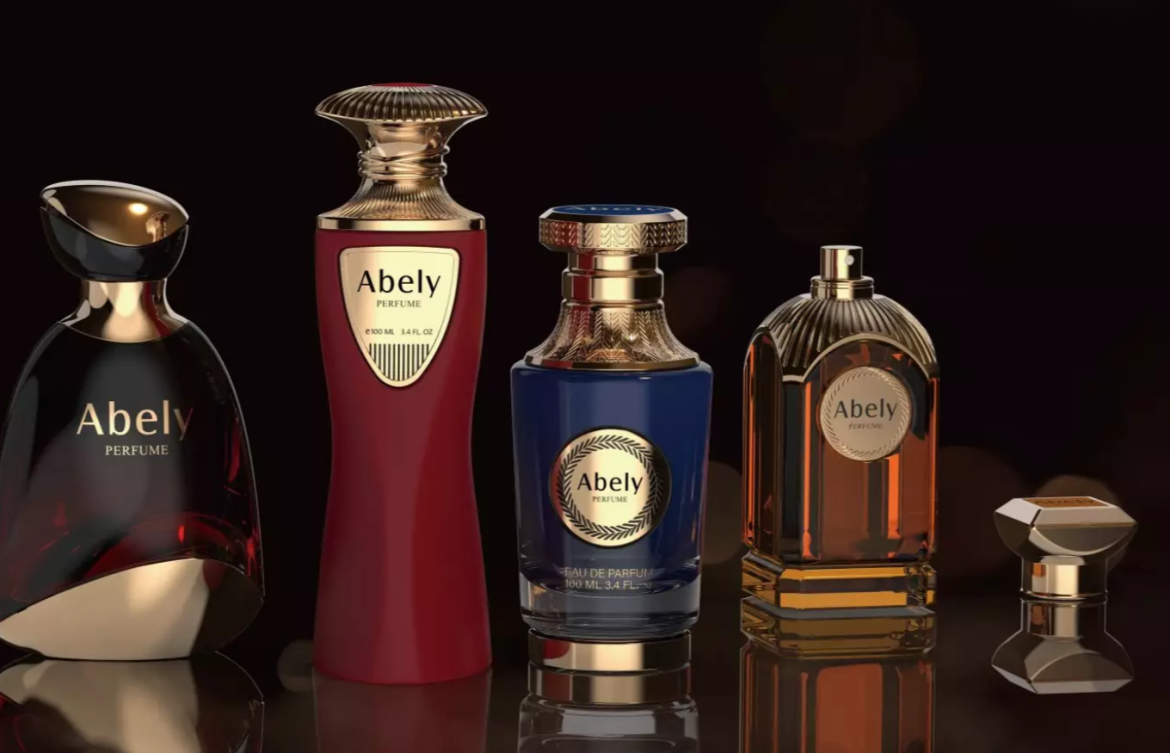
When you build a perfume around a person — their morning rituals, the way they hold a bottle, the spaces they take scent into — everything changes. This piece walks you through designing a 100ml perfume bottle that actually serves real users, not just looks pretty. If you want to see ready-made options while you read, check this 100ml perfume bottle range. Drawing on hands-on work with Cape Town studio designers and small brands, this is a practical, user-centric take — grounded in real-world practice and market observation.
Know your user: three personas to sketch first
Start by mapping who’ll pick up your bottle. Are they daily spritzers who want durability? Collectors who prize design? Or gift buyers after that luxe moment? Each persona changes scale, neck size, and cap mechanics. Think ergonomics: the 100ml format is generous — good for shelf presence and for people who like routines, but it needs a sprayer that’s smooth and a cap that stays put during travel. Simple user research — a few interviews or a hands-on prototype session — tells you more than guesswork.
Design elements that actually matter
Focus on touch, weight, and pour. Glass thickness sets perceived value and pour feel; a heavier base feels premium but ups shipping cost. Sprayer quality decides user joy: a soft, consistent atomizer beats flash finishes every time. Visual cues matter too — a subtle fluting or thumb indent helps grip. And yes, surface finish (matte vs gloss) affects fingerprints and shelf appearance.
Materials, sustainability, and cost trade-offs
Glass is the default for 100ml because it reads premium and protects scent, but you can mix in recycled glass or modular components to lower impact. Metal collars and heavy caps give premium tactility but add weight and recycling complexity. A balanced choice: lightweight recycled glass, a secure plastic or bamboo cap, and a recyclable box. That’s where brands hit a sweet spot between price and planet — lekke for customers who care.
Common mistakes to avoid — quick list
– Over-designing the cap so it sticks or rattles. – Choosing an inexpensive sprayer that delivers uneven mists. – Forgetting travel checks: does the cap seal when jostled in a bag? – Ignoring supply chain realities — bespoke molds can delay launches by months.
Finish, branding, and shelf behaviour
Finish can make or break discovery: translucent frosts suggest subtlety, clear glass shows colour-rich blends. Screen printing versus labels? Screen print lasts longer but upfront tool costs are higher. Consider contrast for retail: a bold label on a soft bottle sells differently than etched glass with minimal type. Test on a mock shelf — it’ll tell you where your bottle disappears or sings.
Comparing options — rapid touchpoints
When you compare a mass-market 100ml flask to a bespoke designer piece, ask these: Is the sprayer reliable? Will costs scale? Does the bottle appeal to the persona you sketched earlier? Also look at refill strategies — a refillable system can lock in loyalty and cut long-term waste. If you’re unsure, order three prototypes: classic, hybrid, and premium. Wear them for a week; that’s the litmus.
Summary: what to hold onto
Design a 100ml bottle around how people actually use it: grip, spray, travel, and shelf visibility. Trade-offs between weight, finish, and sustainability define cost and perception. Keep prototypes small and quick, test with real users, and iterate — that approach beats chasing trends every time. This is what practical packaging design looks like when it’s user-led and real-world informed.
Golden rules — three evaluation metrics
1) Functionality score: Does the sprayer and cap work after 100 uses? (Durability beats novelty.)
2) Perceived value vs cost: Does the tactile weight and finish justify retail pricing? (Customers feel the price before they read the label.)
3) Sustainability impact: Can components be recycled or refilled without complex disassembly? (Small wins scale.)
Designs that balance those three give you the best shot at loyal customers — and that’s where a well-executed kit from Abely slots in naturally. Short thought — keep testing; iterate quickly; choose users over ego.