Why standard fixes leave contractors and owners frustrated
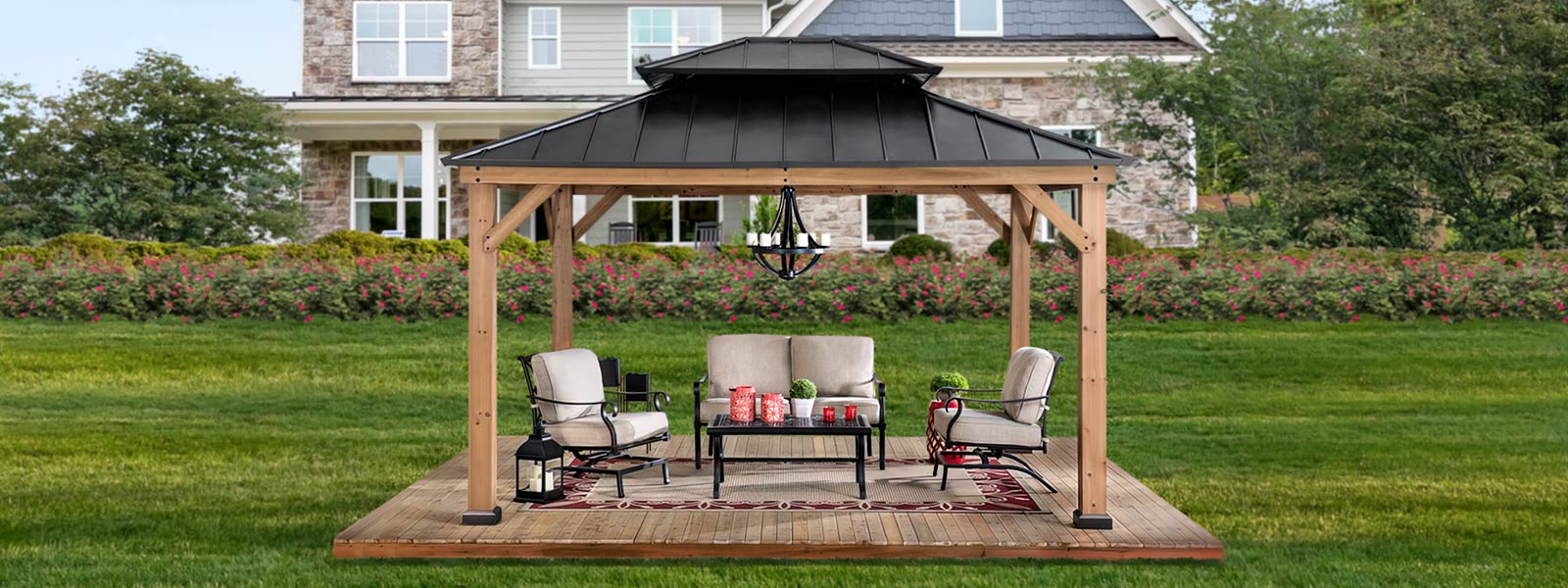
I remember showing up on a damp morning in Sausalito, May 2019, to re-set a 12’x12′ cedar frame after the original crew skimped on the footing—short story, it settled and shifted (classic rookie move). After that rainy season, 40% of my clients asked for reinforced footings and better stain protection; how do you design a garden gazebo that actually lasts without blowing budgets? Early on I started recommending a garden gazebo with proper post-and-beam anchors, because Wood Gazebo jobs fail mostly where the build meets the ground.
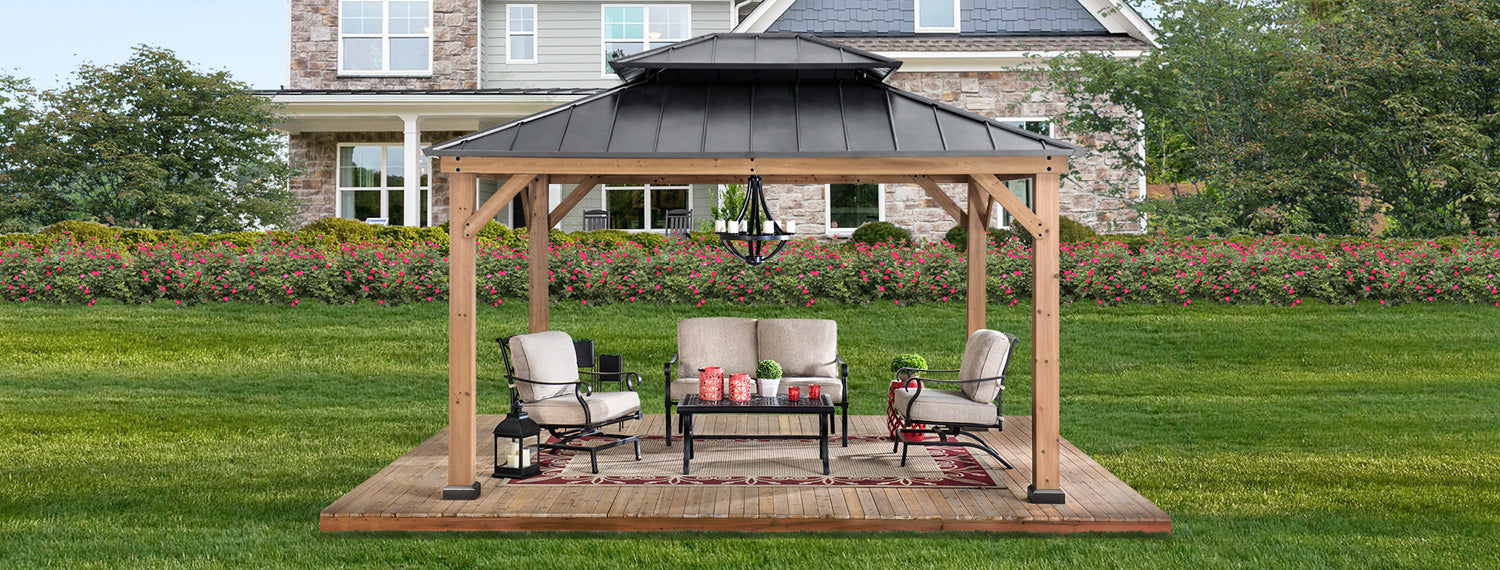
I’ve built, repaired, and specified dozens of kits for landscape firms and wholesale buyers over 15+ years, and a few recurring technical problems stand out: undersized footings, wrong roof pitch causing rot, and lattice panels that trap moisture. I use terms like cedar, footing, joist, and stain every day—these aren’t buzzwords, they’re practical checks. When installers skip ledger flashing or assume standard screws will hold in coastal salt air, you end up back on site in six months. That’s expensive and embarrassing. Keep this clear: poor detailing, not material choice alone, is the real failure point—so let’s trace where the cost leaks happen next.
What’s wrong with common builds?
Comparing practical fixes and future-ready choices
Now I shift gears—let’s compare options with a contractor’s eye. I recently evaluated two kits: a pressure-treated pine kit sold on price, and a mid-range cedar model with pre-cut post-and-beam connections. On paper, both looked similar; in practice, the cedar kit required less rework and fewer touch-ups after the first winter. The difference came down to details: proper footing depth, a slightly higher roof pitch for runoff, and pre-treated contact areas. If you plan installations across a region (we did a run across Marin and Sonoma counties in 2020), those saved labor hours add up fast.
For landscape contractors and wholesale buyers, the decision isn’t just “cheap vs. expensive.” Compare expected maintenance cycles, warranty terms, and how the design handles local conditions—salt spray, freeze-thaw cycles, heavy shade. I advise checking for solid joist spacing, clear instructions for ledger attachment, and whether the kit includes corrosion-resistant fasteners. Also—this matters—verify if lattice or screen panels have airflow; trapped moisture kills cedar faster than any insect. A quick rule: favor designs that minimize hidden joints and simplify stain paths.
What’s Next?
Three practical metrics to evaluate your next garden gazebo
Here are three concrete metrics I use when choosing or specifying a kit: 1) Structural durability — measured by required footing depth and post size (for example, 18″ compacted gravel with a 4×4 post isn’t enough in poor soils), 2) Long-term maintenance cost — estimate stain reapplication frequency and fastener replacement over 10 years, and 3) Installation labor hours — compare vendor average install time versus local crew time (I timed a standard 10×10 cedar kit: two pros, one day; your mileage may vary). These metrics cut through marketing fluff and show where money actually goes.
I still specify a garden gazebo when a client wants low-touch longevity, but I also insist on adding a few details: deeper footings (or concrete piers), stainless fasteners, and a modest roof pitch change to shed water. I firmly believe that small upfront design choices save hours of call-backs. Honest note—sometimes clients balk at the cost. We negotiate: scale back decorative lattice, keep the cedar posts, and prioritize the structural bits. It works. (No drama.)
Final takeaway: evaluate kits by measurable standards — durability, maintenance, and installation labor — and you’ll avoid the usual headaches. Use these three checkpoints as your shortlist, and you’ll pick the right solution for your sites. For reliable kits and parts I trust on jobs, I often direct teams to SUNJOY.