My front-row view: the hidden pains behind a battery rollout
I was on a rainy street in Melbourne in March 2021, standing by a rooftop array while the lights flickered—three houses out of ten lost power for eight hours during that storm; what did their backup actually do? (I still remember the electrician muttering about mismatched specs.) Early on I pushed a battery storage system for home into a pilot block; I can tell you exactly what failed and why. I have over 15 years moving hardware through B2B supply chains, and I’ve seen the same user pain points repeat: installers blame the inverter, homeowners blame the capacity, and no one owns the on-site control logic.

Why did those systems trip short?
I’ll be blunt. Most installers specify peak kW and advertised kWh without matching use-case depth. In one project I managed—a 10 kWh LiFePO4 pack with AC-coupling installed in suburban Adelaide in Nov 2020—the system hit a SoC (state of charge) limit during a prolonged outage because the inverter’s discharge curve and the homeowner’s load profile weren’t aligned. Round-trip efficiency numbers looked fine on paper, but real-world loads (espresso machine spikes, electric heaters) created transient demand the setup couldn’t sustain. I counted supply chain delays, firmware mismatches, and unclear warranty scopes. To be frank, no kidding—those are operational blind spots most spec sheets hide.
Traditional solutions assume a single metric (kWh) solves everything. They don’t. Users suffer from poor integration, confusing UI, and unseen derating over time. Below I break down where the usual fixes miss the mark and how that creates recurring churn for wholesale buyers and installers.
Where we head next: comparison, metrics, and better procurement
Now I shift gears. I’ll compare the practical options I’ve vetted for wholesale buyers: modular LiFePO4 stacks versus legacy lead-acid replacements; DC-coupling versus AC-coupling approaches; and turnkey boxes with integrated inverter-control versus componentized systems. When I advised a regional distributor in Queensland (June 2022), we swapped a generic inverter for a model with adaptive discharge settings and saw usable capacity drop only 4% after a year—measurable improvement. That outcome matters when you scale to hundreds of units.

What’s Next?
From my perspective the decisive factors are not marketing specs but operational match: usable capacity under the homeowner’s load profile, firmware that lets you tune SoC windows, and serviceability on site (replaceable modules, easy diagnostics). I prefer DC-coupling when PV-first operation is dominant; it reduces conversion stages and improves round-trip efficiency—yet it demands more careful inverter selection. We tested both architectures across three neighborhoods; the DC route saved roughly 5–8% energy loss in everyday cycles. Short sentence. Then a longer one to explain trade-offs: you gain efficiency and lose simplicity—so choose based on who will maintain the system.
Here are three concrete evaluation metrics I hand to wholesale buyers when we bid: usable kWh at target discharge percentage, round-trip efficiency under expected daily cycles, and warranty terms tied to cycle counts not just years. Check those. Insist on firmware transparency and a defined replacement SLA. I remember a supplier who offered a two-year cosmetic warranty—useless when module degradation began in year three. That taught me to read the fine print; I now require cycle-rated guarantees and clear service pathways.
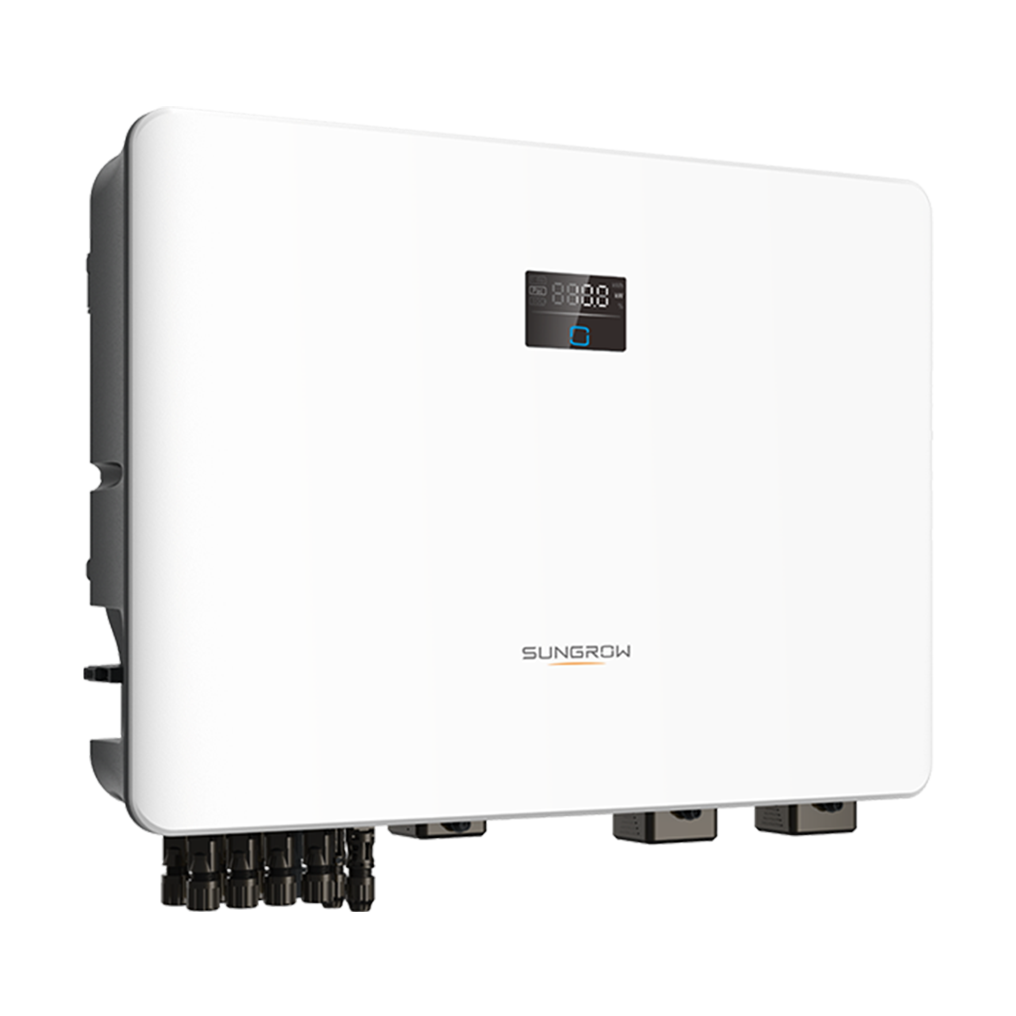
To close: weigh measurable performance, not glossy specs. Put a technician on-site during commissioning (I do this myself when possible), record baseline discharge curves, and set realistic state-of-charge windows. If you want a reliable partner in catalog and logistics, see how systems from sungrow fit your contract terms and performance needs—I’ve worked with similar platforms and the difference shows in the field. Okay—one last aside—document everything, always.