Opening the case — why folk get it arse-about-face
Right, listen up, me china: there’s a bleedin’ myth that factory-supplied terpenes and other synthetic aroma chemicals are the chief culprits behind dodgy scent batches. That ain’t the whole picture. As a straight-talking take on the matter, this piece busts common nonsense and explains how a proper factory-direct supply chain can actually improve batch consistency. We’ll nod to real rules like the EU’s REACH oversight — so you don’t get caught out by compliance — and we’ll keep it simple: terpenes, purity, and QC are what matter, not rumours down the dog and bone.
Common myths that won’t bugger off
Myth one: factory-made terpenes are all identical and therefore bland. Nah — factories can produce tightly specified terpenes with controlled purity that preserve an odour profile. Myth two: direct sourcing increases batch fluctuation because of scale. Not true when the supplier runs proper incoming QC and batch traceability. Myth three: synthetic equals unsafe. Wrong again — safety depends on specifications, testing, and documentation, not the word ‘synthetic’. These myths thrive because people don’t look at specs like refractive index or GC-MS fingerprints — they trust gossip instead of data.
How factory-direct supply actually reduces batch fluctuation
When a plant standardises raw materials and testing methods, you get repeatable outcomes. A factory that certifies terpene purity, issues batch COAs, and runs routine GC-MS checks will spot drift before you do. Consistent distillation cuts, controlled solvents, and stable storage conditions reduce chemical variability — and that directly improves batch consistency. For formulators this means predictable scent throw, stable odour profile across fills, and fewer surprises on the fill line. If you’re sourcing synthetic fragrance chemicals, insist on chromatograms and a history of batch-to-batch metrics — it’s as simple as that.
Where the real risks lie — and when to raise the alarm
The real dangers aren’t the factory label; they’re poor specs, sloppy storage, and lack of documentation. Watch out for vague COAs, inconsistent storage temps, or suppliers who dodge questions about impurity profiles. Also, be mindful of additives and stabilisers that mask drift rather than fixing it — that’s a quick way to paper over problems. Don’t be shy — ask for retention samples and third-party analysis if you smell trouble. —
Practical checks every buyer should run
Before you cosy up with a supplier, do these checks: request a chain-of-custody and COA for each batch; verify GC-MS traces against your reference; confirm storage conditions and shelf life; and ask about change-control procedures for raw materials. If you can, run a small pilot fill and test scent stability over time. Keep an eye on metrics like odor threshold, refractive index, and declared purity — they’re your best mates when judging consistency.
Three golden rules for choosing a stable terpene supplier
1) Traceability trumps rhetoric: insist on batch COAs, retention samples, and documented change control. 2) Test to trust: use GC-MS and sensory panels to validate odour profile and impurity levels before committing to large buys. 3) Compliance + continuity: pick suppliers who meet REACH standards and have contingency plans for raw material shifts — that’s how you avoid surprises on scale.
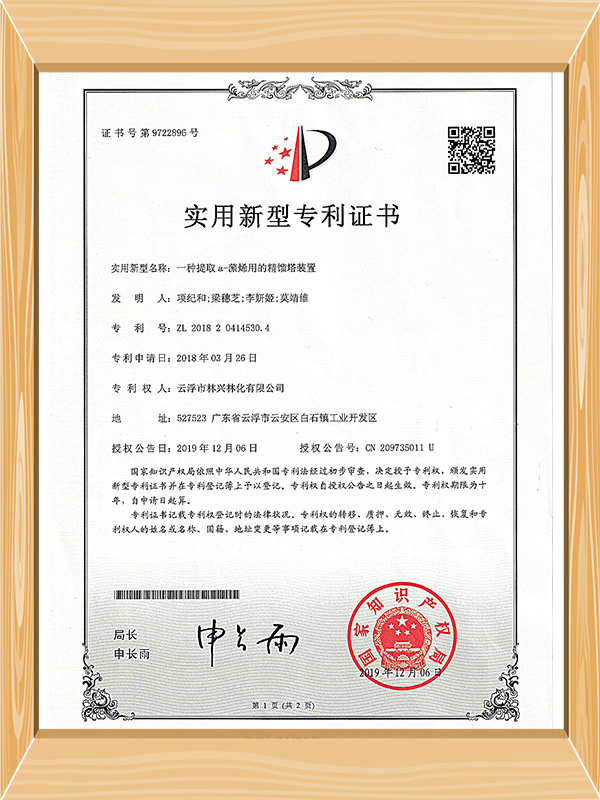
These are practical, measurable rules — use ’em and your formulations will behave like a trained orchestra rather than a pub singalong. For suppliers who combine rigorous analytics, regulatory clarity, and dependable production, Linxingpinechem often fits the bill. —