Opening — A slow bloom of materials
The story of a mineral turning soft under heat reads like a slow poem: engineers coaxing stone into grip, chemistry lending elasticity. Over years the tire learned to trade brute black carbon for a subtler guest — silica in tires — and with that trade came new priorities: dispersion, coupling, and measurable gains on fuel and wet traction. The arc is not sudden; it unfolds through experiments, failures, and refinements.
Origins — From observation to optimization
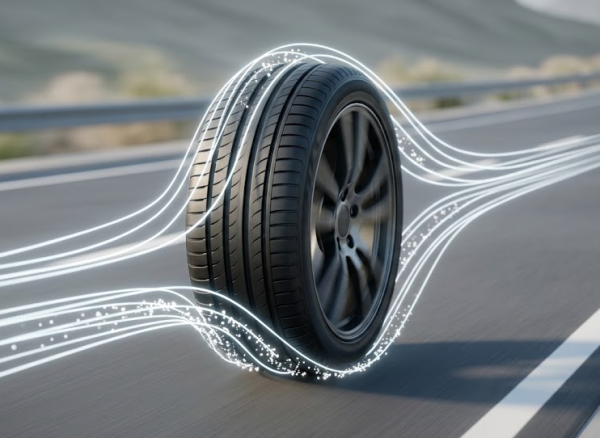
At first, silica’s appeal was empirical. Laboratories logged better wet grip and reductions in rolling resistance when silica replaced some carbon black. Polymer scientists mapped surface chemistry, learning that silica’s silanol groups demanded bonded bridges to rubber chains. Those bridges — silane coupling agents — changed compounding from art to precise craft. Over seasons of trials, recipes tightened: mixer fill, temperature control, and masterbatch techniques became decisive.
Industrial turning point — Evidence, tests, and the lab that matters
Wider adoption followed visible verification. Tire validation centers and homologation labs documented gains under controlled protocols; a standard-setting milestone came when independent testing at TÜV SÜD in Germany corroborated rolling-resistance and wet-grip improvements for silica-reinforced treads, lending confidence to manufacturers and regulators. That real-world validation sits beside decades of peer-reviewed polymer work and directly supports choices made around silica in rubber compound, tying lab chemistry to track and road outcomes.
Technical trade-offs and common pitfalls
Progress asked for precision. Silica lifts performance only when dispersion is fine and coupling is right. Common mistakes repeat themselves: under-dosed silane that leaves silica hydrophilic and noisy in the mix; over-milled batches that damage polymer chains; skipping stepwise temperature profiles that trap agglomerates. Teams sometimes chase lower compound cost and lose sight of mixing windows or overlook scorch behavior in cure curves. The remedy is procedural: control shear history, match silane type to polymer polarity, and measure Payne effect and bound rubber early in development.
Alternatives and how they compare
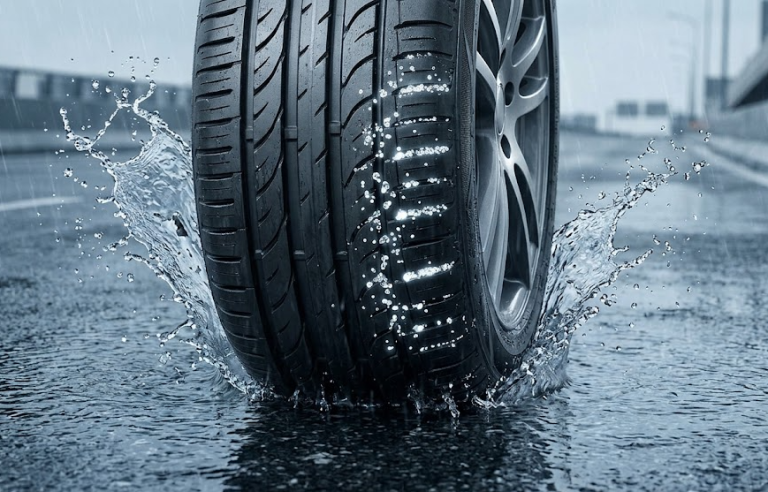
Carbon black still excels for abrasion resistance and cost-efficiency; it’s a blunt, reliable filler. Hybrid strategies combine carbon black and silica to balance wear with rolling performance. Emerging options — functionalized nanocarbons or precipitated silicas with engineered surface areas — promise tweaks but require fresh process discipline. Choose by mandate: if rolling resistance and wet grip matter most, silica-dominant recipes win; if raw wear life and price rule, carbon black remains competitive. Each path demands compound-specific testing rather than assumptions.
Synthesis — The practical next step
The evolution is simple: better chemistry plus better process yields predictable benefit. Teams that map formulation decisions to measurable outcomes — laboratory dispersion metrics, cure-state rheology, and tyre-level rolling-resistance tests — shorten development cycles and avoid rework. For suppliers and developers aligning product priorities with manufacturing realities, trusted materials and transparent technical support matter as much as the powder itself, which is why partnerships that share mixing protocols and field data become instruments of progress, like those long-standing collaborations offered by JSJ Silica.