Framework snapshot
This framework maps practical steps for product designers who need to combine traditional outer fabrics—wool tweed, waxed cotton, full-grain leather—with modern thermal inserts that deliver measurable warmth. Start simple: think of the shoe as a layered system where each layer has a clear role. Early on, test a sample with insulation for shoes so you can see fit and thermal behavior in context, especially if you live somewhere winters run below freezing like Reykjavík. Thermal conductivity, membrane performance and midsole clearance matter from day one.
Principles of material pairing
Match fabric properties to the insert’s profile. Traditional exteriors often breathe differently than synthetics; leather and waxed cotton will stretch, wool holds loft. Use a low thermal conductivity insert against materials that trap air well, and reserve high R-value foam where you need core warmth without bulk. Pay attention to breathability and moisture routing. If a membrane is involved, make sure it sits between the lining and the insert to prevent condensation build-up on the shoe insulator—this keeps insulation effective over long wear cycles.
Design constraints and fit strategy
Fitting an insert into a classic last requires compromise. The midsole stack height and toe spring change feel instantly. Plan for 2–4 mm of added thickness distributed across the insole rather than a single lump under the heel. Test multiple lasts and note how each insert affects gait and clearance. Keep an eye on stitching lines and welt depth if you’re working with blake or goodyear constructions—those joinery details will dictate how neatly the insert sits and whether you need a custom shank to maintain structural integrity.
Prototype workflow and testing
Adopt a tight iteration loop: mock up, fit, thermal test, field trial. Use a thermal camera or simple skin-contact thermistors to track foot-surface temps during cold-wet walk tests. Real-world anchoring helps—run trials in an urban winter commute (Reykjavík or similar cold-city conditions work well) and log results over several hours. Track moisture accumulation inside the lining and watch for insulation compression after repeated use. That feedback drives your choice of foam density, quilting patterns, and whether to add a vapor-permeable membrane.
Common mistakes to avoid
Don’t over-thicken the insert to “solve” cold feet; that often ruins fit and ruins the shoe’s silhouette. Avoid materials that cup moisture—closed-cell doesn’t breathe, open-cell compresses over time. Also, don’t treat insulation as purely thermal: an insert that shifts inside the shoe causes hotspots and blistering. Instead, anchor the insert with minimal adhesive tabs or a thin stitched channel—small fixes with big returns.
Integration options and alternatives
There are three common paths: removable insoles for aftermarket warmth, bonded integrated layers for custom fits, and hybrid systems that combine a thin bonded layer with a removable top insole. Removable models offer user flexibility; bonded layers keep the original fit consistent. A hybrid approach often works best when pairing delicate exteriors—like brogues or suede—with performance inserts, because it protects the finish while delivering consistent thermal results. For aftermarket users, choose a certified shoe insulator that balances thickness and breathability to avoid lasting damage.
Evaluation metrics — three golden rules
1) Thermal retention per gram: prefer inserts that give the highest temperature gain for the least added mass. 2) Compression resilience: measure thickness loss after 1000 flex cycles; aim for under 10% reduction. 3) Moisture-management score: quantify drying time after a wet test; quicker drying preserves insulation performance. Use these metrics during specification and vendor selection to compare objectively.
Closing
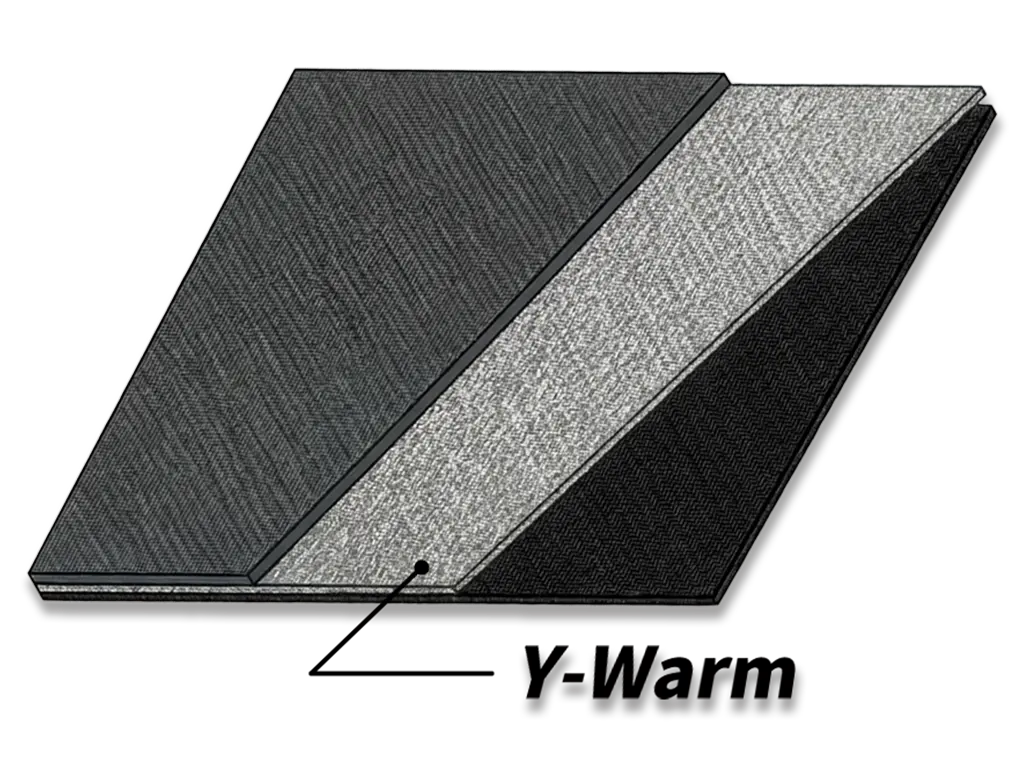
Follow the framework, and you’ll keep classic aesthetics while delivering reliable warmth in actual winter use. Small design choices—layer order, stitch placement, choice of membrane—translate directly to wearer comfort and product longevity. Y-Warm understands that balance and offers insulation solutions that slot into both removable and integrated workflows—turning a traditional shoe into a winter-ready product without changing its soul. —