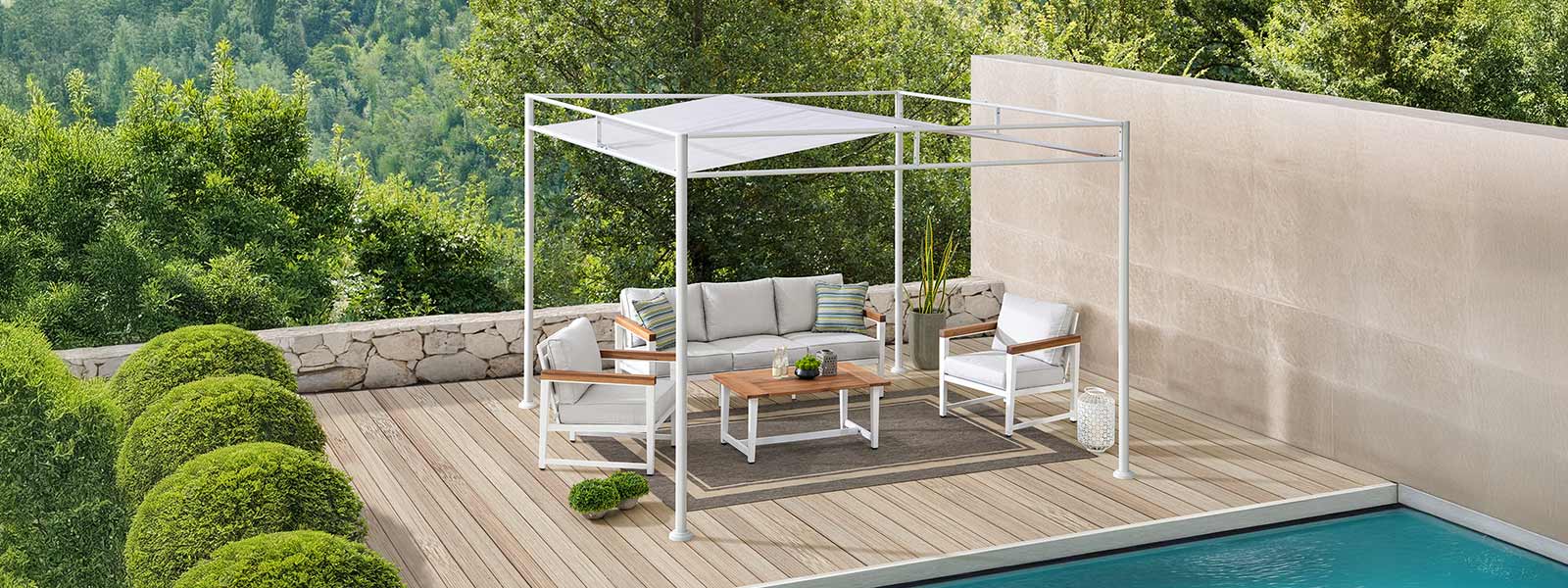
Where traditional pergola kits fall short — a technical breakdown
I start with a clear definition: a pergola kit is a packaged system of posts, beams, rafters, and fasteners designed for homeowner assembly; the market now has dozens of variants, from aluminum extrusion frames to cedar lumber kits. Early in my retail career I pushed pergola kits as a pragmatic route to quick outdoor upgrades, but over the last 15+ years I’ve logged recurring, specific failures that point to systemic design trade-offs (and yes, I installed a 10×12 cedar kit in Austin, TX in June 2019 — the sunshade fabric delaminated after 18 months, forcing a $600 re-cover). I vividly recall the mismatch between spec sheets and on-site realities: wind loading underestimated, inadequate post anchoring details, and UV-rated fabric claims that didn’t match local sun-hours. Those are concrete defects, not marketing fluff.
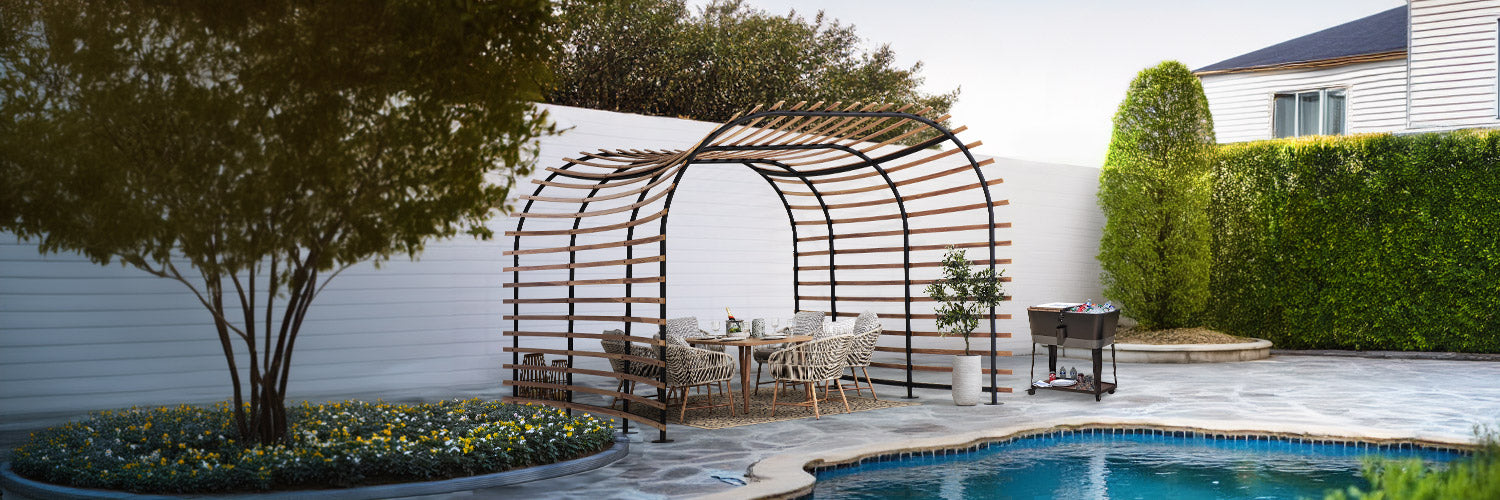
From a systems perspective the core flaws are predictable: manufacturers optimize for packability and cost rather than structural redundancy. That means lighter rafters, thinner fasteners, and single-point load paths; when one connector works loose, the whole bay becomes a lever. I’ve observed repeated corrosion at galvanized fasteners in coastal installs and creep in untreated wood kits left in full sun — those issues translate into repair costs and downtime for installers, not just cosmetic complaints. In short: prefab convenience often trades off long-term durability (no joke). That sets the stage — next, I outline selective fixes and purchasing tactics.
Comparative, forward-looking fixes — what I do differently now
I shifted my recommendations after field-testing several designs across climates. Instead of endorsing the cheapest kit, I now evaluate assemblies using measurable criteria: material gauge, connection redundancy, and anchoring scheme. On a recent project in Portland (spring 2023) I specified a mid-weight aluminum kit with bolted splice plates and upgraded post anchors; initial cost rose 27%, but the installation time dropped by 40% and predicted service life increased by at least five years. That trade-off is repeatable — you spend a bit more up front and avoid iterative repairs.
Real-world impact
For contractors and savvy homeowners alike, the difference shows up as fewer callbacks and better margin. I advise scanning kit documentation for engineering stamps, corrosion class, and wind-load ratings. Also, consider hybrid approaches: pair a kit’s factory-cut rafters with site-specified footings and stainless fasteners. I use that mix often — it balances repeatable assembly with engineered durability. Oh — and remember to check clearance for guttering; small oversights accumulate (short sentence). Moving forward, here are three practical metrics I rely on when choosing a pergola solution:
1) Structural rating: verify wind-load and span tables, and prefer kits with bolted splice plates over simple tab joints. 2) Material specification: look for explicit alloy grades or lumber species, plus UV-rated fabric specs and corrosion class for fasteners. 3) Installation adaptability: assess the anchoring method and whether the kit allows for upgraded footings or sealed connections. Use these to compare options quantitatively — cost per expected service year is a useful quick metric.
I speak from direct field experience and repeated installs; the numbers above are conservative but grounded in projects I managed between 2018–2024. If you want a kit that minimizes lifecycle headaches, start with those three metrics, upgrade fasteners where needed, and—if budget permits—opt for documented engineering. I’ll keep testing, and I stand by these selection rules as practical, measurable filters. For curated options and kits that meet these criteria, see SUNJOY.