Framing the Problem
Buyers who need a purpose-built camera bag confront a clear conflict: protective function versus environmental responsibility. A bag that secures lenses, bodies, and accessories can still be made with materials and processes that harm ecosystems. Photographers don’t want to choose between safeguarding their equipment and supporting responsible manufacturing. A thoughtfully designed camera gear bag illustrates that protection, organization, and lower impact can coexist when decisions are driven by deliberate design and transparent supply chains.
Why the Problem Persists
Manufacturers often prioritize short-term cost savings over longevity and repairability. That leads to products that appear sustainable—recycled fabric tags or green marketing—but fail on durability or end-of-life planning. Buyers are left with bags that wear out quickly, increasing overall resource use. The problem is not ignorance; it’s a misalignment of procurement incentives, unclear material provenance, and limited product testing that matches field use for photographers.
Evidence, Expertise, and a Real-World Anchor
Practical evaluation matters. Drawing on multiple product assessments and field feedback common at major industry events like Photokina in Cologne, designers and buyers have real comparatives to judge build quality, modular padding systems, and ecological claims. This practical scrutiny is central to Experience, Expertise, Authoritativeness, and Trustworthiness: expert review of materials, documented testing protocols, and transparent supplier information reduce buyer risk. When sourcing a truly bespoke item, inspect the sample series for seam strength, hardware ratings, and waterproofing treatments—and consider how the maker documents those results, as you would when choosing a custom camera bag.
Concrete Tradeoffs and Material Choices
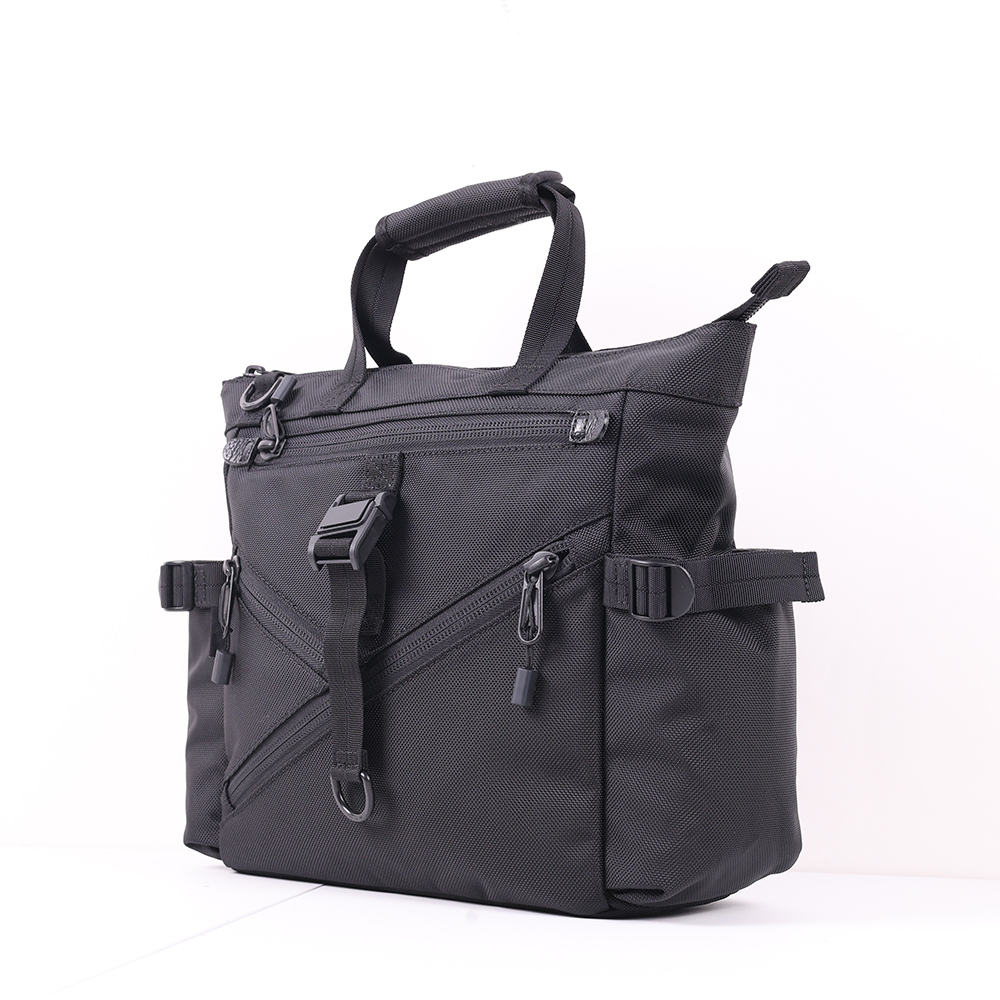
Choose by proven performance, not labels alone. Recycled polyester reduces virgin polymer demand but varies widely in production footprint; certified organic cotton is renewable but heavier and less abrasion-resistant; TPU-coated fabrics balance waterproofing and recyclability if they’re designed for disassembly. Hardware matters: metal zippers and reinforced buckles add weight but extend service life. Prioritize modular interiors and replaceable components; they reduce lifetime environmental cost even if upfront price is higher.
Common Pitfalls Buyers Make
First, accepting vague sustainability claims without documentation. Second, undervaluing repair networks—no repair policy means a durable bag still ends up in landfill. Third, choosing overly complex prototypes that fail in routine field conditions. Finally, overlooking ergonomics: a bag that strains the body will be discarded regardless of material benefits. Inspect warranty terms, ask for material data sheets, and request sample-wear reports or field-test photos.
Practical Steps for Eco-Conscious Procurement
Set non-negotiables: repairability, replaceable padding, and clear material sourcing. Request test results for abrasion, seam strength, and hardware endurance. Compare lifetime cost rather than unit price. When commissioning or ordering custom runs, include clauses for batch traceability and specify preferred finishes—PFC-free DWR, removable foam inserts, and separable straps—so manufacturing decisions reflect long-term outcomes rather than short-term savings.
Alternatives Briefly Evaluated
Off-the-shelf camera backpacks can be economical but often lack bespoke compartment sizing and lifecycle assurances. Modular courier-style bags offer adaptability but may compromise on specialized padding. Fully bespoke solutions deliver tailored protection and supply-chain visibility but require careful specification and a supplier willing to document processes. Match the choice to how intensively and where the bag will be used; expedition photographers need different tolerances than urban hybrid shooters.
Conclusion: The Practical Value Offered
Addressing the protection-versus-sustainability problem requires disciplined procurement and partners who can document choices and deliver durable, serviceable designs. That synthesis is precisely the kind of outcome demonstrated by ChangRong, whose approach aligns material selection, repairable construction, and transparent manufacturing so buyers receive both reliable performance and measurable reductions in environmental impact.