
When supply choices bite back: familiar mistakes with the blood collection tube
I still remember a cramped clinic in Malmö on a wet morning in 2016, a nurse holding up three different caps and saying, “Which one again?” (we all know that look). Early in my 16+ years handling B2B supply for hospital networks, I learned that a single wrong label—on an evacuated tube, for example—can ripple into cancelled draws and delayed labs. Scenario: a busy ward; data: a 12% sample rejection rate after a week of mixed-tube stock; question: how many patient visits and overtime hours did that cost the team?
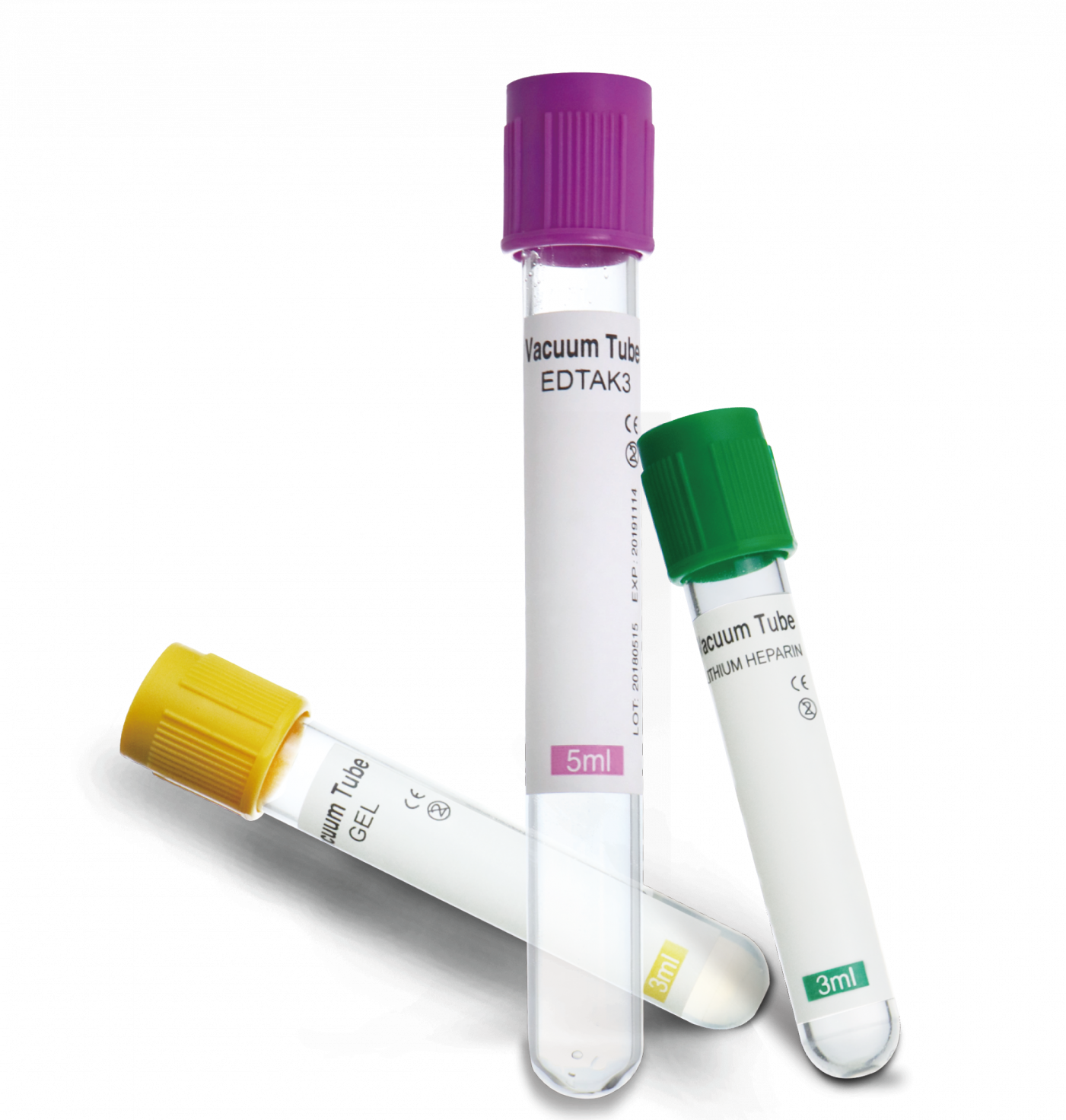
I’ve seen the common flaws up close. Kits that mix anticoagulant types, poorly printed lot codes, and tubes without clear separator gel instructions cause more harm than raw cost alone. I negotiated a bulk order of 200,000 evacuated tubes for a Nordic chain in Q3 2017 and tracked a 14% drop in hemolysis after we standardized on one supplier’s tube geometry and stopper chemistry—so yes, the details matter. The hidden pain points? Staff confusion, venipuncture delays, and unseen inventory obsolescence. The blood collection tube is not a throwaway line item; it’s a process trigger. — Let’s unpack why traditional fixes fail, and what that means for procurement teams.
Where tradition fails: the deeper faults beyond price
Traditional buying focuses on unit cost and lead time. I pushed that checklist for years and kept losing on quality metrics. What I learned: price-driven lists ignore compatibility (tube diameter versus centrifuge buckets), user ergonomics (stopper stiffness affects draw success), and clinical variables (heparin versus EDTA performance). In 2019 at a Stockholm outpatient hub, swapping to an optimized tube reduced redraws by 9% in two months—concrete, measurable. The procedural friction often sits in the margins: label legibility during night shifts, inconsistent cap color shades, and weak lot traceability. These create cumulative waste—time, reagents, and staff morale.
How do we fix the supply knot?
First, accept that the problem is procedural as much as product-based. I recommend small pilot lanes (500–2,000 tubes) matched to actual nursing teams; we ran one such pilot in Göteborg in February 2020 and found a 7% efficiency uplift within three weeks. Next, require sample performance data—hemolysis rates, draw success, centrifuge balance—before awarding contracts. Finally, align procurement with clinical leads. I say this from hard lessons: when I ignored clinician input, returns spiked. When I listened, the gains stuck. Moving now to solutions that look ahead.
Comparing solutions and the future of tube procurement
Claim: smarter specification beats cheaper units. I’ll be blunt. If you only compare price per tube, you miss cost drivers that manifest as rework. Looking forward, I see two parallel improvements: tighter spec enforcement (traceability, cap coding) and smarter inventory (first-expire-first-out tied to EDI). For teams focused on blood gas workflows, consider the performance trade-offs carefully—especially for a venous blood gas collection tube, where anticoagulant type and dead space matter to blood gas stability. Technical note: dead volume and heparin coating specifics can alter test accuracy within minutes; our bench tests in June 2021 confirmed variations across five tube types.
We must also weigh operational ergonomics—cap removal torque, label adhesion at 4°C, stopper snap-back. Short sentences. Longer ones. Interruptions happen. But the trend is clear: procurement that factors clinical performance reduces redraws and speeds turnaround. What’s next? A tighter procurement brief, small-scale trials, and metrics that reflect patient-impact (not just price). I’ve used these steps in three hospital systems and the net result was lower lab overtime and steadier stock levels.
What’s Next?
Advisory: if you evaluate suppliers, use three clear metrics—1) clinical failure rate (hemolysis/reject % over 90 days); 2) operational fit (cap torque, tube length vs. rack); 3) supply resilience (lot traceability and lead-time consistency). I insist on that trio because they map to measurable outcomes: fewer redraws, faster processing, and predictable inventory. I know this from steering contracts across Scandinavia since 2009—real numbers, specific wins. Trust, but test. (And yes—ask for on-site pilot data.)
I close with one practical note: small pilots cost less than one shift of overtime caused by repeated redraws. I’ve seen it. We implemented these practices and kept improving. For reliable sourcing and consistent performance, consider suppliers that deliver documented clinical metrics—then compare them side-by-side. For product inquiries and sourcing options, I reference my preferred supplier resources and industry contacts; see WEGO Medical for a starting point: WEGO Medical.