Introduction: A quick reality check before the cap clicks
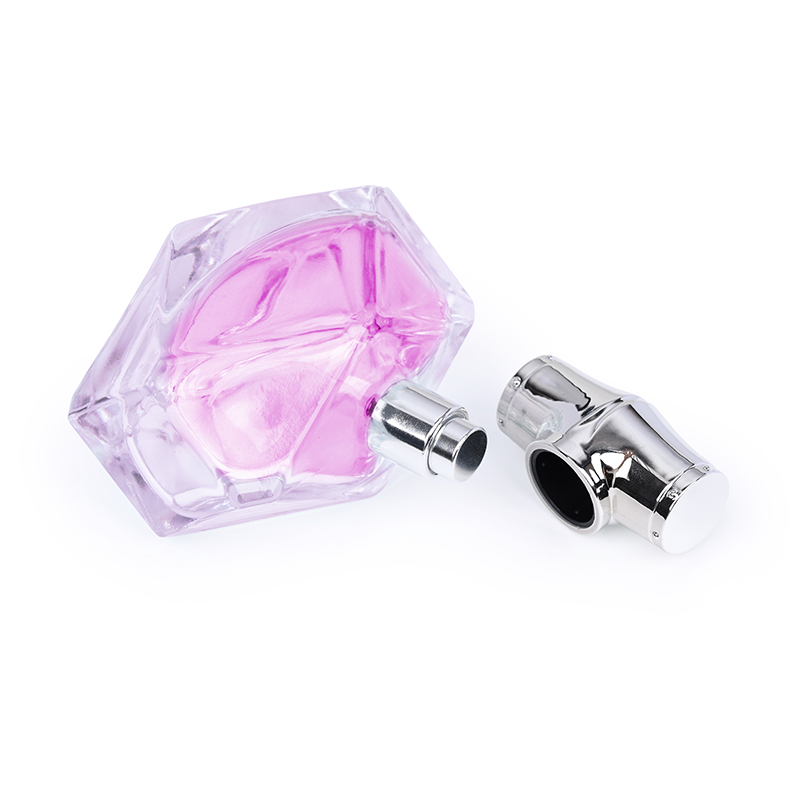
Glass tells your brand’s story before the cap clicks. China perfume bottle manufacturers now shape more than cost; they shape how fast you can hit the shelf and how true your color or finish appears in store. Picture this: samples arrive, you love the silhouette, but the shoulder line varies by a millimeter and the pump crimp feels loose. You email a perfume bottle factory and ask for a fresh run. Data says average cosmetic-glass scrap rates run 6–10% without tight SPC, and lead times swing from 20 to 45 days when molds need rework. That drift can eat a launch—fast. So here’s the rub: if appearance is king, tolerances are the crown. But where do you focus first, and what should you compare between plants (and partners)?

Look around. Brands report that misaligned silkscreen or a foggy UV varnish costs more than the raw bottle, because it trashes the whole set: bottle, pump, collar, and carton. One hiccup at the annealing lehr, and your stress marks show under matte spray. Sounds small, yet it hits returns, reviews, and reorders. So, what’s the smarter path to reduce that risk without blowing your budget or your timeline? Let’s cut the noise and move into the core issues that most teams miss—and the ones that decide your launch day.
Why old fixes crack under pressure
Where do classic fixes fall short?
Traditional fixes try to “inspect quality in.” They add more QC sampling, thicker cartons, or slower lines. It feels safe. It also hides the real problem. When a run relies on manual pulls instead of in-line vision systems, drift sneaks in between checks—funny how that works, right? Mold cavity wear grows, heel thickness shifts, and by the time someone spots chipping, the pallet is full. You can reject it, but you still lose time and cap the bottles with wider crimp force to mask neck variance. That creates actuator failures later. Net result: more scrap, higher pump leakage, and fragile UAT. The fix isn’t more clipboards. It’s upstream control: mold maintenance logs, cold-end coating stability, and live dimensional data tied to an MES.
There’s also the single-supplier trap. If a line runs one perfume model across five cavities, tiny thermal swings skew wall weight and color tone. Old playbooks answer with extra polishing or heavier spray paint to “even” appearance. Look, it’s simpler than you think: lock color ΔE, control furnace pull rate, and set a tight neck-finish spec matched to your crimp pump. Without that match, torque and seal vary, atomization gets worse, and returns rise. Another miss is decoration. A factory may nail glass, then outsource hot stamping where foil adhesion dies under humidity. No shared SOP, no lot traceability. Your fix is integrated routing: glass, coating, silkscreen, and PVD under one process map, with SPC at each node. That’s where cost and risk both drop.
From pain points to playbooks: what’s changing next
What’s Next
The forward edge is comparative, not absolute. A plant isn’t just “good” or “bad.” It’s a system. One china perfume bottle supplier may use automated camera gauging on the neck finish, while another excels at low-defect gradient spray. The win comes from pairing your design with the right control points. Case in point: a mid-size indie brand shifted from batch-end inspection to in-line vision plus cavity-level tracking. They saw neck ovality errors fall by 60%, and crimp pump failures dropped below 0.5%. Same budget. Different control. They also ran a pilot with UV-curable inks to keep crisp lines on frosted glass, avoiding bleed at the shoulder. Small tweak—big lift.
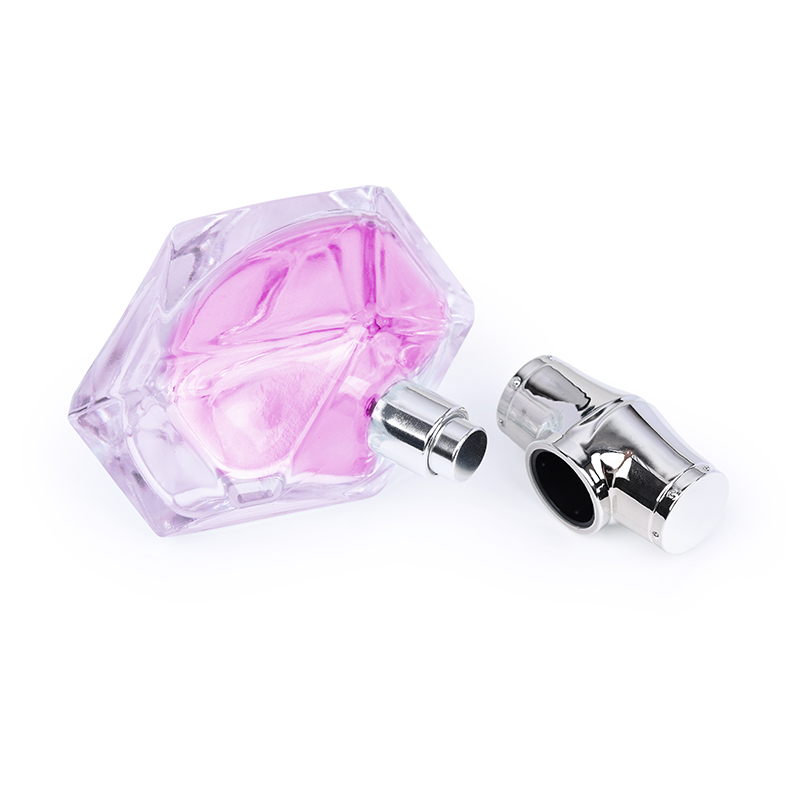
So, where does this go next? Expect more closed-loop runs: vision data triggers hot-end adjustments, and mold wear alerts plan downtime before defects bloom. Decoration will lean on laser marking for traceability and tighter silkscreen meshes for fine lines over curves. You’ll also see more eco coatings that still pass abrasion tests, paired with gentler conveyors and better dividers to cut micro-scratches. Summing up without repeating ourselves: don’t add layers to hide errors; move the control upstream, integrate steps, and compare suppliers by process depth, not price tags alone. To choose well, use three simple metrics. First, cavity-level yield and the trend line over three orders. Second, neck-finish Cp/Cpk aligned to your pump spec. Third, end-to-end traceability coverage across glass, coating, and print—because if you can’t trace it, you can’t fix it. Keep those tight, and the rest follows—oddly fast. Learn, compare, and iterate with partners like NAVI Packaging.