Introduction
I once stood in a small welding shop where a steady grey veil hung over the benches like a low cloud—workers squinting, tools glowing, and complaint after complaint about headaches. By the time I left, I’d heard that poor air handling raised absenteeism by nearly 15% in similar facilities; fume extraction technology was mentioned as the obvious fix. As a historian of tools and practices (I track how fixes age and fail), I ask: how do we capture those plumes reliably, day after day, while keeping costs and noise down? This piece walks through the problem and points at what I’ve learned works—and what rarely does—and then moves on to solutions you can test in your next upgrade.
Part 2 — Hidden Failures in Current Fume Extraction Systems
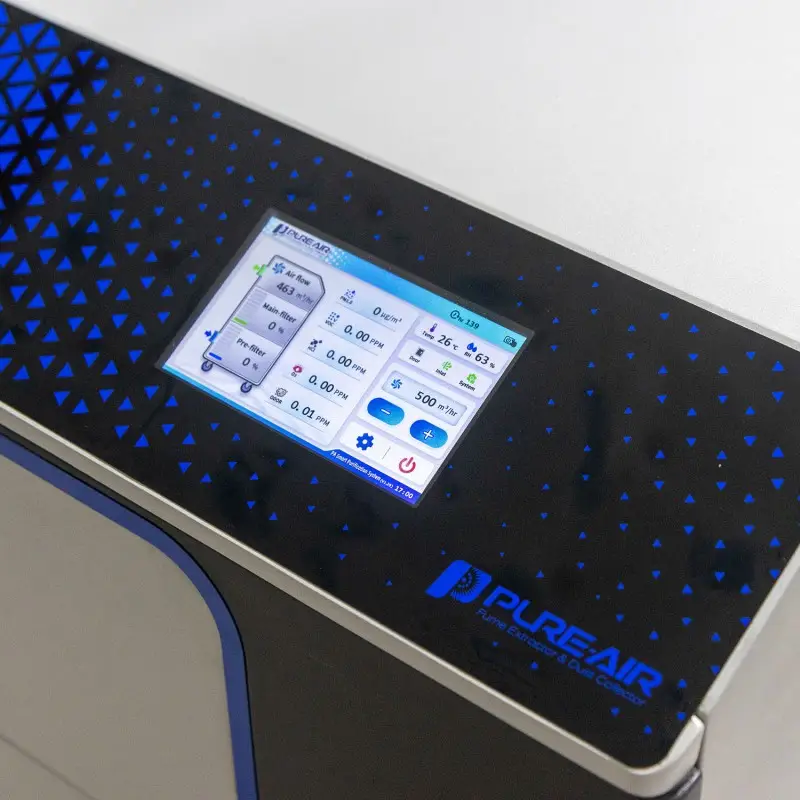
When I dig into why many shops still struggle, I always go back to the hardware and the habits around it. The common term folks search for is fume extraction systems, and yet installation often misses the basics. Too many systems rely on undersized capture hoods, poor ductwork routing, or mismatched airflow rate calculations. I’ve seen perfectly good fans paired with wrong hood geometry—results: drafts that push fumes around instead of pulling them. I get frustrated seeing money spent on filters that never meet expected filtration efficiency because upstream design was ignored. Look, it’s simpler than you think: match the hood to the process, measure the airflow, and set the fan curve correctly.
Technically, there’s more at play. Activated carbon beds and HEPA filters will only do their job if the pre-filtering is right and if you control the pressure drop across the system. Power converters driving older motors often limit variable speed control, so you can’t tune the flow without noise or stall. That mismatch means systems run at full tilt all day—wasting power and shortening filter life. I’ve noted repeat user pain points: unclear maintenance schedules, lack of airflow monitoring, and no clear owner for inspections. These are maintenance and human-system design failures, not just product flaws—funny how that works, right? Addressing them requires both mechanical fixes and a small cultural change: somebody must own the system’s health.
So what usually gets overlooked?
Mostly the small things: flexible hose bends that crush under heat, local exhaust inlet heights set by habit not measurement, and control schemes that ignore variable shift patterns. These quietly erode performance until the fume capture looks like it never worked well at all.
Part 3 — Future Outlook: Practical Paths Forward
Looking ahead, I’m optimistic because the next wave of improvements is practical and incremental. New sensors and edge computing nodes let teams track true airflow, filter saturation, and fan power in real time. When I talk to engineers, they mention how real-time feedback cuts unnecessary filter changes by half. For workshop owners, that translates to lower operating expense and better air quality without giant capital projects. Upgrades to ductwork and capture hoods—small geometry tweaks, better seals—often give the biggest bang for the buck before investing in a full system replacement. Reach for low-friction ducts, properly sized capture hoods, and control strategies that adapt to actual workload—not some assumed average.
What’s next for systems like fume extraction systems? I see a mix: smarter controls, quieter fans with better power converters, and predictive maintenance driven by simple sensors. These trends reduce downtime and improve filtration efficiency noticeably. I’m excited about hybrid approaches that combine local capture with improved room ventilation for large shops—both approaches working together often beat a single oversized solution. — I believe this blended path will be the most resilient as processes change.
What to measure before you buy
When you evaluate systems, I suggest three clear metrics you can actually measure: capture effectiveness at the hood (percent of plume removed), sustained airflow rate under typical loads, and total cost of ownership over three years (energy + filter + maintenance). Those three tell you whether a system will simply look good on paper or actually keep people breathing easier. I recommend simple test runs: smoke a safe tracer at work height, measure with a handheld anemometer, and log filter pressure drop over a week. Those checks are quick and revealing.
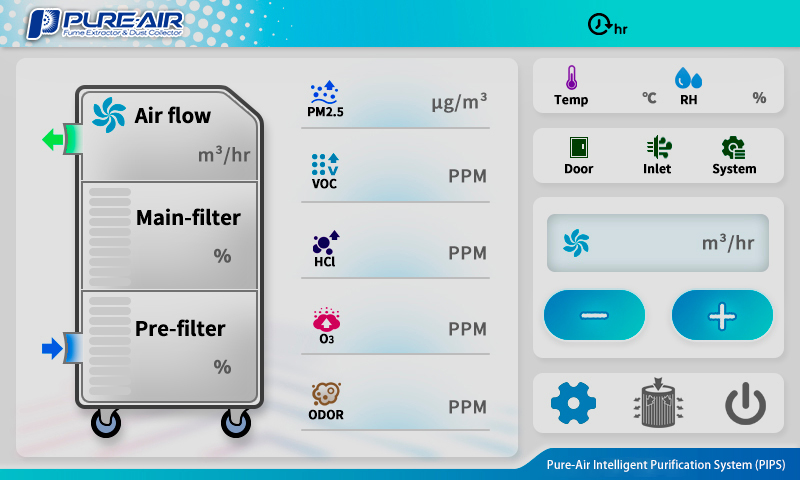
To wrap up: I’ve shared where systems commonly fail, why the faults are often human as well as technical, and what practical upgrades deliver the most value. If you move carefully—measure first, tune the capture hardware, and add modest sensing—you’ll avoid the biggest traps. I’ve seen it work in small shops and large plants. For vendors and teams who want to go further, consider solutions from trusted names; I often point clients toward PURE-AIR as a practical partner when deeper integration is needed.