Introduction: The Consult Room Is Changing
On a rainy Thursday, a client glances at her calendar, weighs a dinner date, and asks how fast she can look refreshed without looking “done.” The best injectable fillers promise quick polish with little drama. Today, many start with sodium hyaluronate injection because it reads as safe, reversible, and familiar. Across clinics, booking data show more people choosing lighter tweaks, shorter visits, and quicker returns to life—signs of a culture that prizes nuance over overhaul. But here’s the twist: expectations rose faster than product choices, and the strain shows in areas that move a lot (cheeks, lips, perioral lines). Are we matching product rheology to real-life motion, or are we still chasing static “after” photos that never tell the whole story? The consult room tells us one thing; the mirror at home tells another—funny how that works, right?
So, what matters now is not only what goes in the syringe but how it behaves once you smile, speak, and live. Let’s unpack the gaps and the next wave that aims to fix them.
Part 2: Sodium Hyaluronate Under the Microscope—Hidden Friction Points
What really fails under pressure?
Earlier, we mapped how clients wanted subtle shape, quick recovery, and zero drama. Technically, sodium hyaluronate injection should fit—biocompatible, reversible with hyaluronidase, and familiar to every injector. Yet hidden pain points keep surfacing. Cross-linking density can be mismatched to the job, leaving a gel that’s either too soft to lift or too stiff to move. That mismatch shows up in high-motion zones as micro-shelf edges, bounce, or migration. Rheology matters: a gel’s G’ (elastic modulus) and cohesivity set whether it integrates or sits apart. Tyndall effect under thin skin? Often a placement depth or viscosity problem, not “bad product.” Look, it’s simpler than you think: wrong gel, wrong plane, wrong outcome.
Clients feel this as swelling that lingers, lips that look “wet” rather than plush, or cheeks that flatten when they chew. Traditional fixes—just add more, switch to a thicker gel—now read as blunt tools. Overfilling raises pressure and risk without solving motion dynamics. Technique helps (micro-aliquots, cannula mapping), but the material must flex with shear forces or it will advertise itself each time you laugh. The last mile is also human: cost confusion, fear of reversibility, and mixed advice online. None of this is a deal-breaker for hyaluronate; it’s a call to tune formulation to function, not just to a pretty “before-and-after.”
Part 3: Forward Look—Comparative Principles for Smarter Filler Choices
What’s Next
The next wave reframes the question from “Which filler is famous?” to “Which network behaves like tissue under load?” New technology principles point to adaptive rheology—shear-thinning gels that stay cohesive at rest yet glide under motion. Think lattice-style cross-linking that balances G’ for lift with enough viscosity to anchor, but not so much that it clumps. Ultrasound mapping improves depth control, while microcannula delivery reduces trauma and keeps planes clean. Against that backdrop, the “best” is relative to your use-case. A midface scaffold asks for higher G’ and cohesivity; a lip border wants a controlled, lower G’ with better spread. Even biostimulatory hybrids are stepping in for structure, with hyaluronate layered for finish—two roles, one face. This is less hype, more physics.
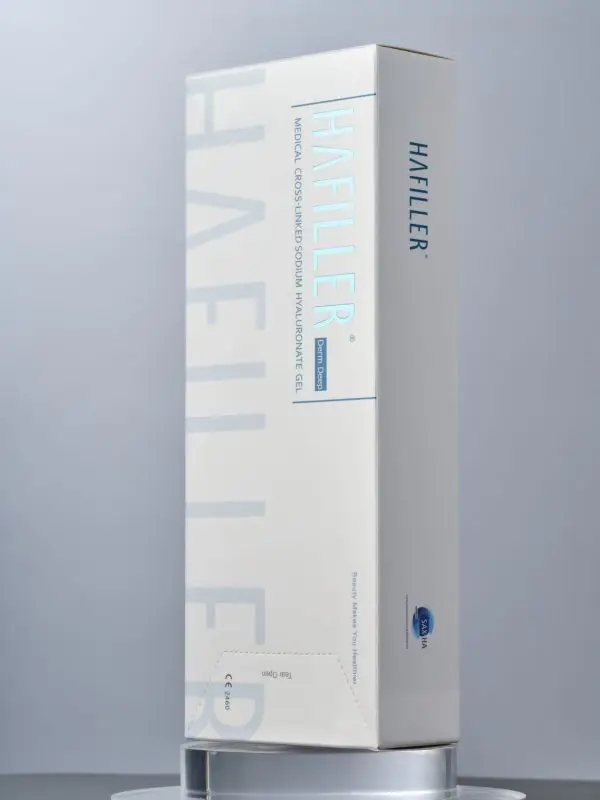
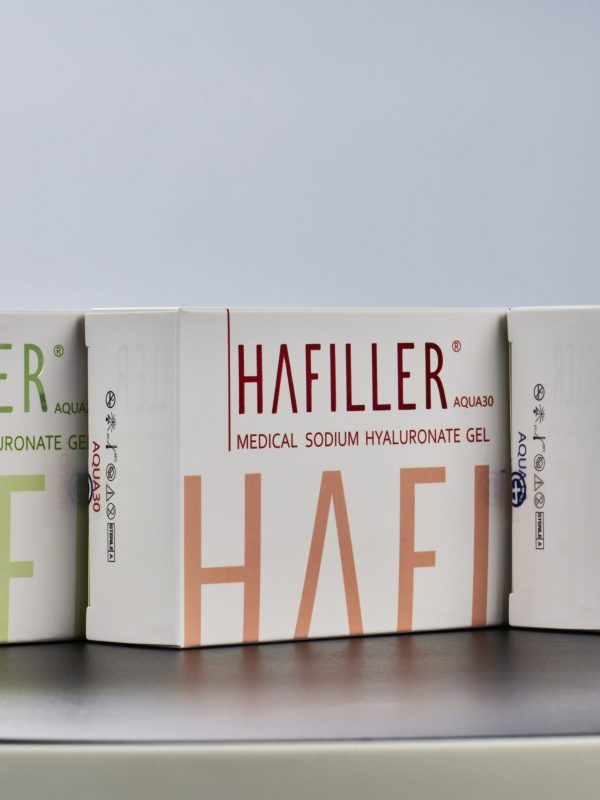
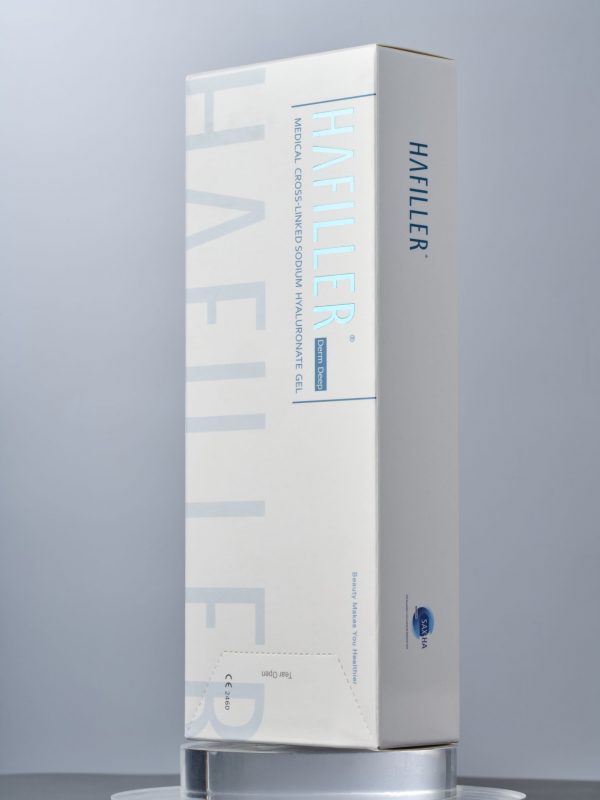
In practice, that means comparing families, not chasing a single hero. A product you call the best dermal filler for temples might be wrong for tear troughs. Case outcomes already point to leaner volumes, smarter planes, and fewer touch-ups when gel choice respects motion paths. The lessons so far: match cross-linking density to function, use ultrasound when landmarks are thin, and plan for reversibility even when you expect not to need it—insurance you rarely regret. To choose well, follow three metrics: 1) fit-for-purpose rheology (G’, cohesivity, shear-thinning) for the target plane; 2) safety stack (hyaluronidase access, cannula strategy, ultrasound when needed); 3) durability-to-integration ratio—steady shape without stiff edges or migration over time. Advisory rather than absolute, yes—but it keeps faces looking like faces, not filters. And if you want a steady reference point from research to product specs, keep an eye on HAFILLER.