Introduction
Ever wondered why a small tool can cause big problems on an oil rig? I ask that because I’ve seen near-misses that start with a dropped ratchet and a bad call. non sparking wrenches are not a gimmick—they’re a safety standard in environments where spark energy and ignition risk can’t be tolerated. As someone who has inspected confined-space toolkits and reviewed incident logs, I can say the data is stark: tools that minimize conductivity and eliminate hotspots cut ignition incidents dramatically (we’re talking percentages that matter). So what’s really stopping teams from choosing the right alloy composition and torque calibration practices—cost, habit, or misunderstanding? Let’s unpack the practical trade-offs and the technical drivers behind smarter tool selection, then move toward realistic fixes you can apply tomorrow.
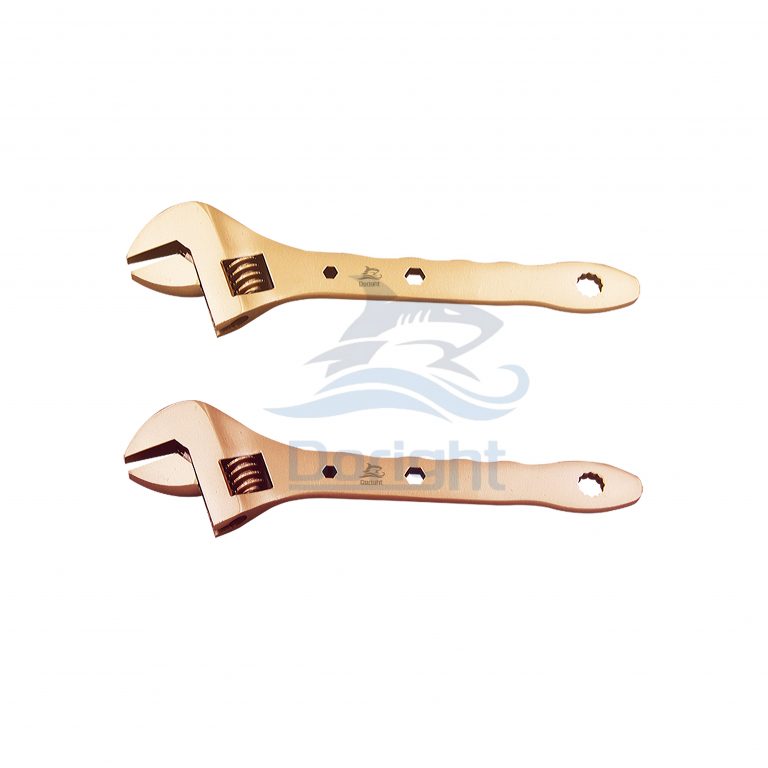
Traditional Solution Flaws: Where the Old Fixes Fall Short
non sparking wrench has become shorthand for safety-conscious crews, but I’ve noticed two recurring problems with legacy approaches. First, many teams rely on coatings or aftermarket treatments that change surface passivation but not the underlying alloy’s conductivity. Second, tool selection is often driven by familiarity—workers grabbing what’s closest rather than what’s intrinsically safe. Look, it’s simpler than you think: a hardened steel wrench with a coating still stores and releases energy differently than a purpose-made copper-beryllium or aluminum-bronze tool. That difference in spark energy and wear pattern matters in flammable atmospheres.
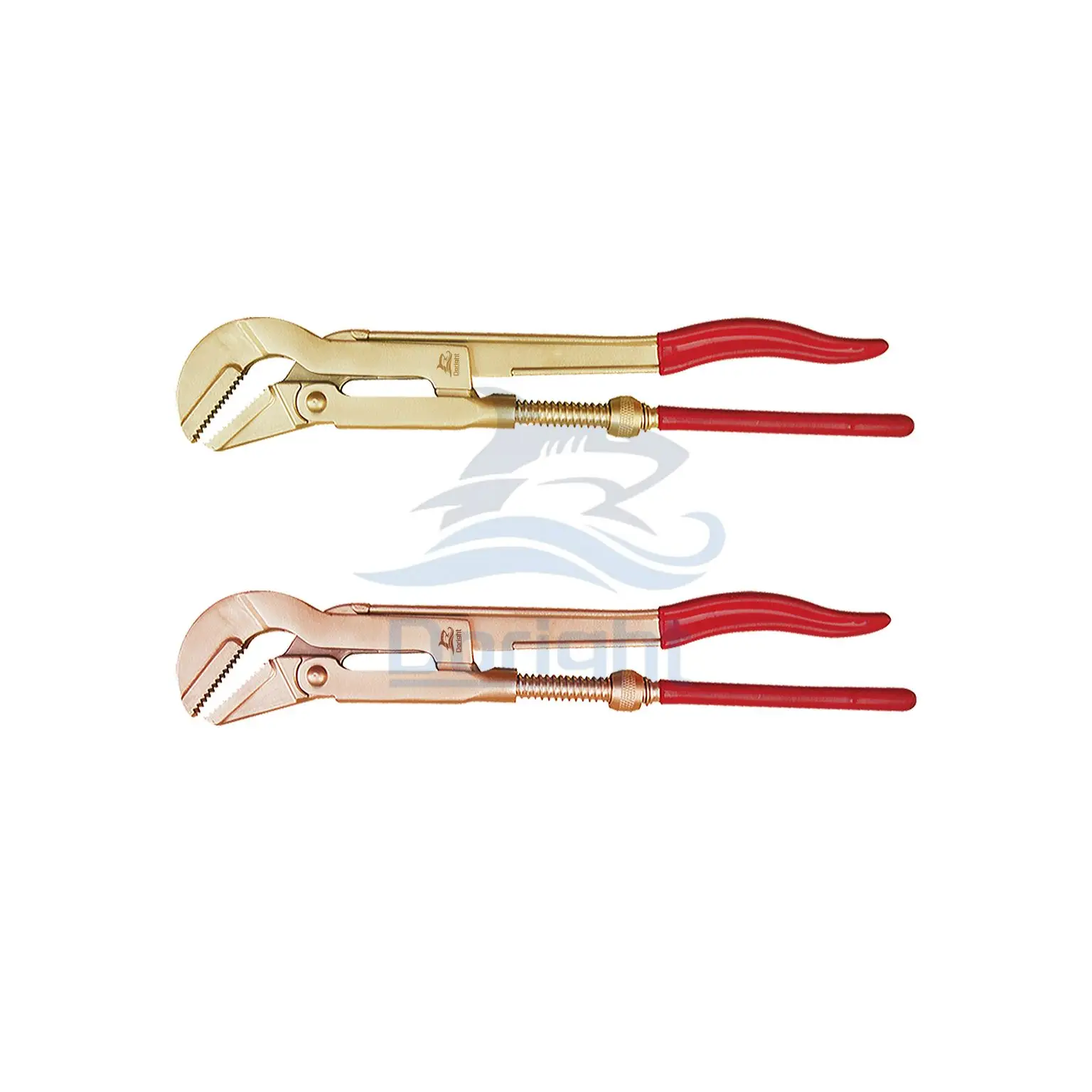
Why do traditional tools fail in critical environments?
Briefly, standard tools fail because of three hidden user pain points: unnoticed micro-fractures that increase spark risk, improper torque calibration that leads to slippage, and maintenance schedules that ignore alloy fatigue. When I run assessments, I find poorly documented inspection records and a surprising tolerance for “good enough” tools—funny how that works, right? These are not exotic problems; they are process and material issues tied to real-world usage: repeated impact, contamination with conductive residues, and surface degradation. If you’re responsible for safety, these are the details that keep me up at night—and they should probably nudge your checklist, too.
Future Outlook: Principles and Practical Steps for Safer Tooling
Now let’s look forward. I prefer a principles-first approach: choose tools based on intrinsic properties (alloy composition and conductivity), design for maintainability (easy inspection points), and verify through torque calibration records and routine spark-risk audits. That means specifying non sparking tools by material—bronze alloys, beryllium copper, etc.—and pairing them with clear maintenance protocols. A modern procurement spec should include measurable metrics: maximum surface conductivity, acceptable wear rates under standard loads, and inspection intervals tied to usage hours. — and yes, that will save time and lives.
What’s Next?
One practical path I recommend is piloting a small fleet of purpose-built non sparking wrench sets in one high-risk area, instrumenting them (simple logs) for six months, then comparing incident and maintenance data to a control group. We did this once in a turnaround project—results? Fewer tool-related stoppages, easier audits, and a marked drop in near-miss reports. Real-world tests like that bridge the gap between specs and practice. There’s also room for tech: integrating simple RFID tags for usage tracking, linking to maintenance schedules, and using basic vibration or wear sensors to flag tools before failure. These aren’t sci-fi—just sensible upgrades to an old workflow.
Conclusion — Key Takeaways and Next Steps
To wrap up, I’ll be blunt: replacing a habit is harder than replacing a wrench. But measurable change comes from three simple moves—specify the right alloy composition, enforce torque calibration and inspection discipline, and run a focused pilot to prove ROI. If you evaluate tools using those metrics, you’ll reduce spark risk and operational downtime. My takeaway from years in the field is that safety is both technical and cultural; you need the right materials and the right habits. So before you buy the cheapest set, ask for conductivity specs, check maintenance logs, and insist on documented torque calibration. You’ll see the difference in reliability and crew confidence—I promise you that.
For practical sourcing and compatible product lines, consider exploring options from Doright.