Introduction — a historian’s question about modern machines
Have we really learned from the past when choosing machine shops and makers of metalworking tools? I often find myself tracing threads through decades of shop floor changes to answer that — and the numbers tell a story. CNC lathe manufacturers, in particular, have shaped how factories cut parts today; production data shows cycle time improvements but also recurring quality gaps (trade-offs that feel familiar). What I want to know — and what I ask clients first — is this: are we buying short-term speed or long-term capability?
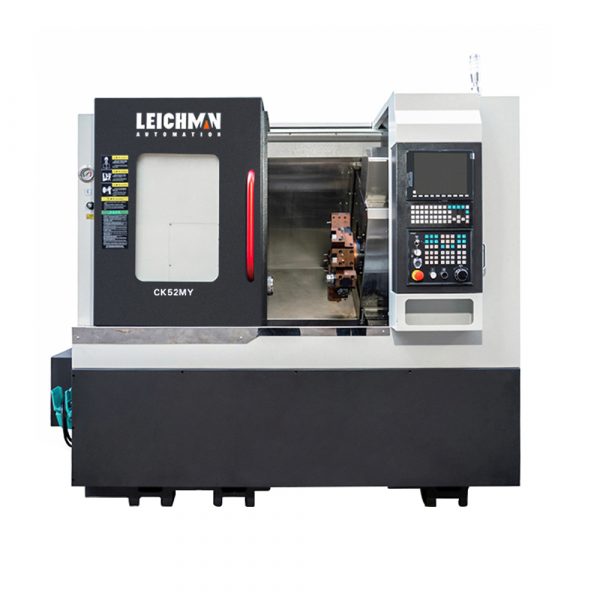
To set the scene: imagine a mid-sized shop that doubled output in five years but still chased accuracy issues (spindle chatter, tool wear, you name it). The context matters because it frames procurement decisions. I’ll walk you through that history briefly, point out the data that matters, and then shift to concrete guidance you can use now.
Part 2 — Where traditional approaches fail: a technical breakdown
When I look at a cnc metal lathe specification sheet, I don’t get dazzled by top RPM or glossy photos. I break the system into pieces: the CNC controller, the spindle and bearings, the servo motors and drives, the tool turret, and the support systems (coolant, power converters). Too often, vendors treat those pieces as independent tick-box features instead of an integrated control problem. That leads to three recurring flaws: mismatch between controller capability and mechanical dynamics, under-specified power conversion for peak torque, and poor cooling strategies that accelerate wear. I say this because I’ve seen shops buy high-speed spindles but keep the same weak drive electronics — and then wonder why chatter shows up under load.
Let’s get a bit more specific. A good machine needs matched dynamics: servo tuning that understands machine rigidity, spindle speed profiles that avoid resonance, and a tool turret that indexes reliably under thermal change. If any of that is handled in isolation, you end up with inconsistent part geometry and more scrap. Look, it’s simpler than you think — prioritize integration tests over flashy specs. I’m not exaggerating: invest a day of on-site tests (cutting, cyclic loads, temperature swings) and you’ll learn more than a page of advertising ever tells you. — funny how that works, right?
Are manufacturers testing for integration or just listing specs?
Part 3 — New technology principles for selecting future-ready machines
Now let’s turn forward. I want to explain three principles I use when evaluating modern offers — principles that matter whether you’re browsing a cnc lathe for sale or talking to a long-term supplier. First: system-level sensing. Adding edge computing nodes and torque sensors lets a controller adapt feed rates in real time, reducing scrap. Second: predictable power architecture — consistent power converters and safety margins for peak torque ensure you can run heavier cuts without surprises. Third: modular software updates. A machine that accepts controller firmware evolution and has an open communication stack will extend useful life. I prefer machines where the vendor demos these principles, not just lists them.
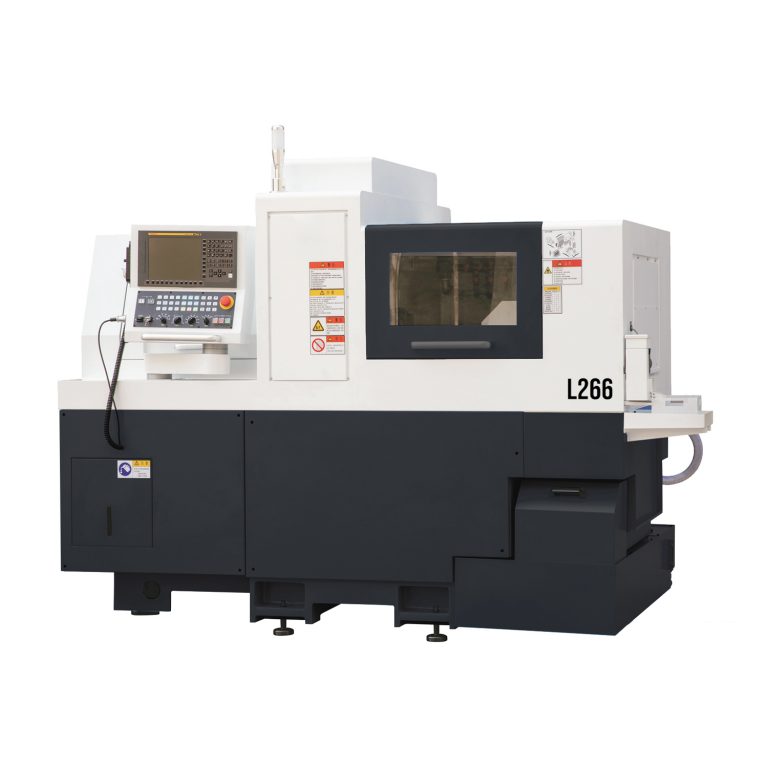
In practice, that means I ask for case data: show me a year-to-year comparison of tool life when a feed-schedule change was deployed, or demonstrate spindle temperature stability under duty cycles similar to mine. I also look at maintainability — are spare parts standard? Can local technicians tune servo gains? These are practical questions. We test them in simple ways: run a 24-hour production cycle, measure dimensional drift, log encoder signals, and watch how the machine responds. The outcome matters more than any brochure. — and yes, that hands-on approach is what separates vendors who are serious from those who sell novelty.
What’s Next — three evaluation metrics I recommend
Here are three metrics I use to pick manufacturers and machines, and I suggest you adopt them as yardsticks too: 1) Integrated stability index — a score combining spindle speed deviation, temperature drift, and vibrational harmonics during a standard cut; 2) True throughput under production mix — measured cycle time across your actual part set, not a best-case demo part; 3) Service resilience — mean time to spare parts replacement and remote diagnostic capability. Apply these and you’ll surface real differences fast.
To wrap up, I’ll be candid: I prefer partners who can show test logs and who let me run a cut in my material before purchase. Those shops save money over time. You’ll make fewer reactive purchases and more strategic ones. If you want a place to start, I check the Leichman catalog and then validate the answers in person. Leichman has been on my shortlist when the specs align with the system-level evidence I demand.