Introduction — a morning scene, some numbers, and the question
I was brushing my teeth last week and noticed the paste felt different — smoother, less gritty. 😏 Most of us do this twice daily (same toothbrush, same rhythm). Oral Care Silica has been slipping into formulas for years now, but adoption sped up in surprising ways. Millions use silica-containing pastes every day — yet many folks still complain about sensitivity, stains, or paste texture. So why do some products feel premium while others still miss the mark? (I ask because I test formulations — messy but fun.)

Here’s the short hook: small particle tweaks can shift feel, cleaning power, and how gentle a product is. That’s what we’ll unpack next — the flaws behind older mixes and the tiny choices that make a big difference. — Okay, let’s roll into the nitty-gritty.
Where traditional toothpaste additive approaches break down
Technical breakdown: I want to be blunt. Many classic formulas treat silica like filler. They add abrasive particles to scrub stains, but they don’t control particle shape, particle size distribution, or surface chemistry. That leads to uneven abrasivity and a paste that either under-performs on stains or wears enamel more than it should. Look, it’s simpler than you think — control the particle and you control the outcome.
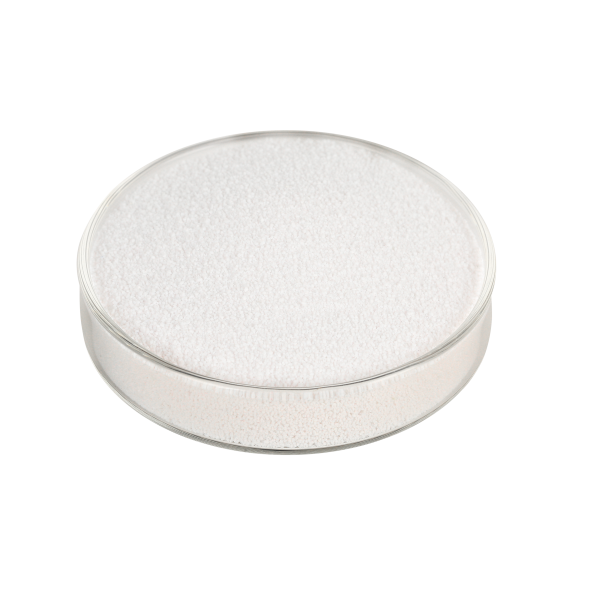
Why does that matter?
First, particle size distribution matters for feel and efficacy. Too many large particles = gritty mouthfeel. Too many very fine ones = clumping and poor stain lift. Second, surface silanol groups (that’s surface chemistry) affect how silica gels with thickeners and binds to dyes and plaque. Third, rheology modifiers interact with silica—change one and the whole texture shifts. I’ve seen formulas fail because teams ignored how silica binds to the binder system. The result: either a paste that looks great in lab testing but flops in real use, or one that gives micro-abrasion despite promising low RDA numbers.
We also have manufacturing constraints. Milling and drying change particle morphology. So a silica that tests well in the lab might not behave once it’s pumped and stored. And yes — funny how that works, right? These are not abstract terms. They map to what consumers call “grit,” “sensitivity,” or “doesn’t foam.”
Future outlook — case examples and what to watch
I want to shift forward. We’re seeing newer silica grades that balance cleaning and gentleness. In pilot trials, formulations using tailored silica—engineered for controlled abrasivity and optimized surface area—showed better stain removal without added sensitivity. In one case study I reviewed, changing particle morphology cut perceived grit by half while keeping whitening performance steady. This matters because consumers choose feel first, then results. — Wait, here’s the twist: better control often lowers overall formulation complexity, not raises it.
Real-world impact?
Brands that invested in optimized silica reported fewer consumer complaints and stronger repeat purchases. They focused on three things: abrasivity profiles, hydrophilicity for foam and spread, and how silica interacts with fluoride retention. If you’re evaluating a product or a supplier, test these in real use. Don’t just trust lab numbers.
OK — to wrap up, here are three key evaluation metrics I recommend when you judge a silica-containing paste: 1) Controlled abrasivity (RDA-range and particle size data), 2) Surface chemistry compatibility (silanol levels and binder interaction), 3) Sensory testing (real users, blind panels). I use these myself when vetting suppliers and formulations. Take them, try them, and adjust to your market. — funny how picky small tests can be, right?
For more on tailored solutions and supplier options, I’ve followed JSJ’s developments closely. Their mix of engineered silica grades and formulation support makes it easier to move from lab concept to shelf-ready paste. If you want a practical partner, check out JSJ.