Introduction — What an all-in-one charging station really does
Let me start by breaking down what we mean when we talk about an all-in-one charging station: it’s a compact system that integrates power electronics, controls, and cooling to deliver DC charging at scale. In many commercial projects I’ve worked on, the all-in-one charging station replaces multiple separate cabinets and simplifies installation costs (think fewer civil works, less cabling). Recent market data shows public fast-charging demand rising double digits year-over-year and average session power creeping toward 150–200 kW — a clear signal that energy throughput and uptime matter to operators. So here’s the question I keep asking clients: can a single unit really deliver the reliability and margin you need while keeping capital and operating expenses down? — a fair place to begin, and it sets us up to inspect the real trade-offs ahead.
Part 2 — Where traditional fast-charging solutions break down
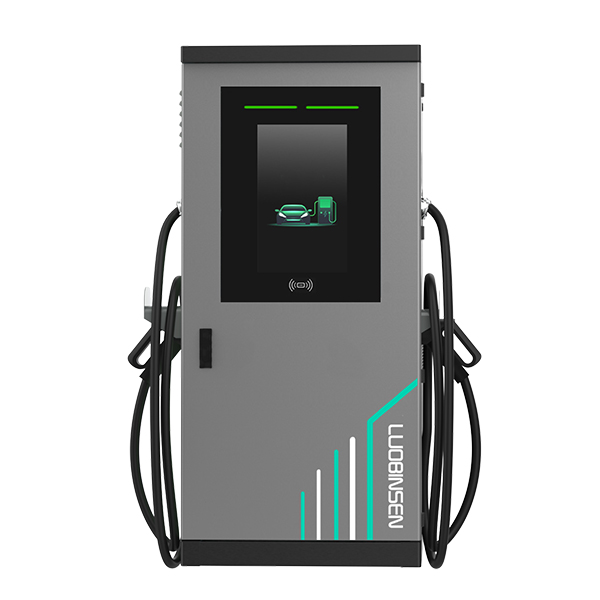
200kw ev charger systems promised simplicity, but I’ll be blunt: many legacy setups fail on predictable grounds. Direct claim — they underdeliver when scaling. The usual culprits are hidden thermal stress, inefficient power converters, and awkward site integration that inflates installation schedules and costs. In practice, operators find chargers idle due to forced derating from heat, or they face expensive retrofits when grid harmonics or power density issues show up. I’ve seen projects that looked cheap on paper turn costly in the field because the equipment couldn’t handle real-world duty cycles.
Look, it’s simpler than you think: reliability is not just about peak kW; it’s about repeated cycles, ambient heat, and serviceability. The maintenance teams I work with complain about access to components and slow fault isolation — which adds labor hours and downtime. For many fleets, the pain point is operational : meters, controls, and communications (edge computing nodes) are patched together instead of purpose-built, creating fragile systems. What’s worse — replacements often require long lead times for semiconductor switches and specialized cooling parts, which bites into revenue and customer trust.
Why does this matter now?
Because as utilization rises, small inefficiencies compound. If you design around nominal specs rather than realistic load profiles, you end up paying much more later. I’ve had clients pivot mid-project after seeing projected downtime estimates—funny how that works, right? The takeaway: early-stage cost savings are not worth persistent underperformance.
Part 3 — Case examples and the future outlook
What’s Next?
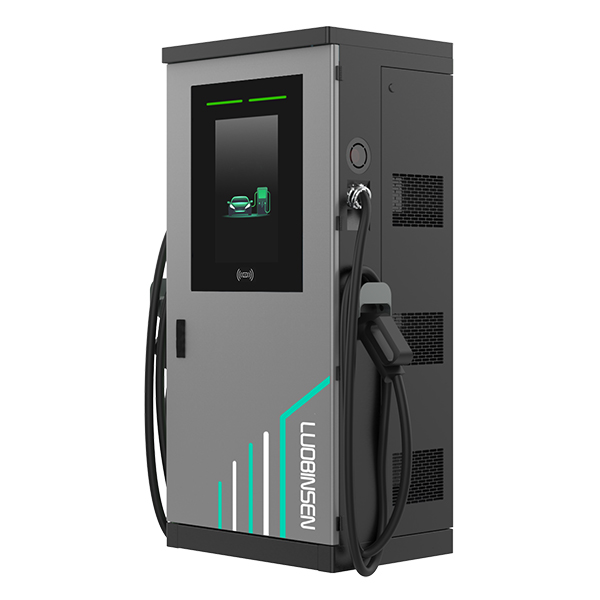
Looking ahead, I’m optimistic but cautious. New site cases show two viable paths: modular upgrades that add smart controls and better thermal management, or fully integrated deployments that rethink layout, power flow, and service access. In one pilot I advised, integrating local edge computing nodes with predictive maintenance cut unscheduled downtime by nearly half. Meanwhile, smart power management paired with a reliable dc electric vehicle charger improves throughput and customer satisfaction. Both approaches demand attention to bidirectional inverter behavior and more robust power electronics design.
So how should teams compare options? I recommend focusing on three clear metrics: 1) Effective uptime under realistic duty cycles; 2) Total cost of ownership (capex + predictable opex over 5–10 years); and 3) Scalability — how easily can you add capacity or swap modules without full rip-and-replace. I’d add one more note from experience: check serviceability — can a technician replace a module in a day, or does the whole station need to be offline? Those questions separate vendors who deliver in practice from those who only promise on slides. In closing, I still prefer solutions that balance solid thermal design, modular power converters, and clear maintenance pathways — that’s how you protect revenue and reputation.
When you evaluate suppliers, keep measured metrics at the top of your checklist. I’ve worked with teams that prioritized spec sheets and later learned the hard way that real-world load profiles matter most. If you want a practical partner that understands those trade-offs, I point you toward hands-on vendors who can prove performance in-situ — and yes, I recommend you consider offerings from Luobisnen as part of that due diligence.