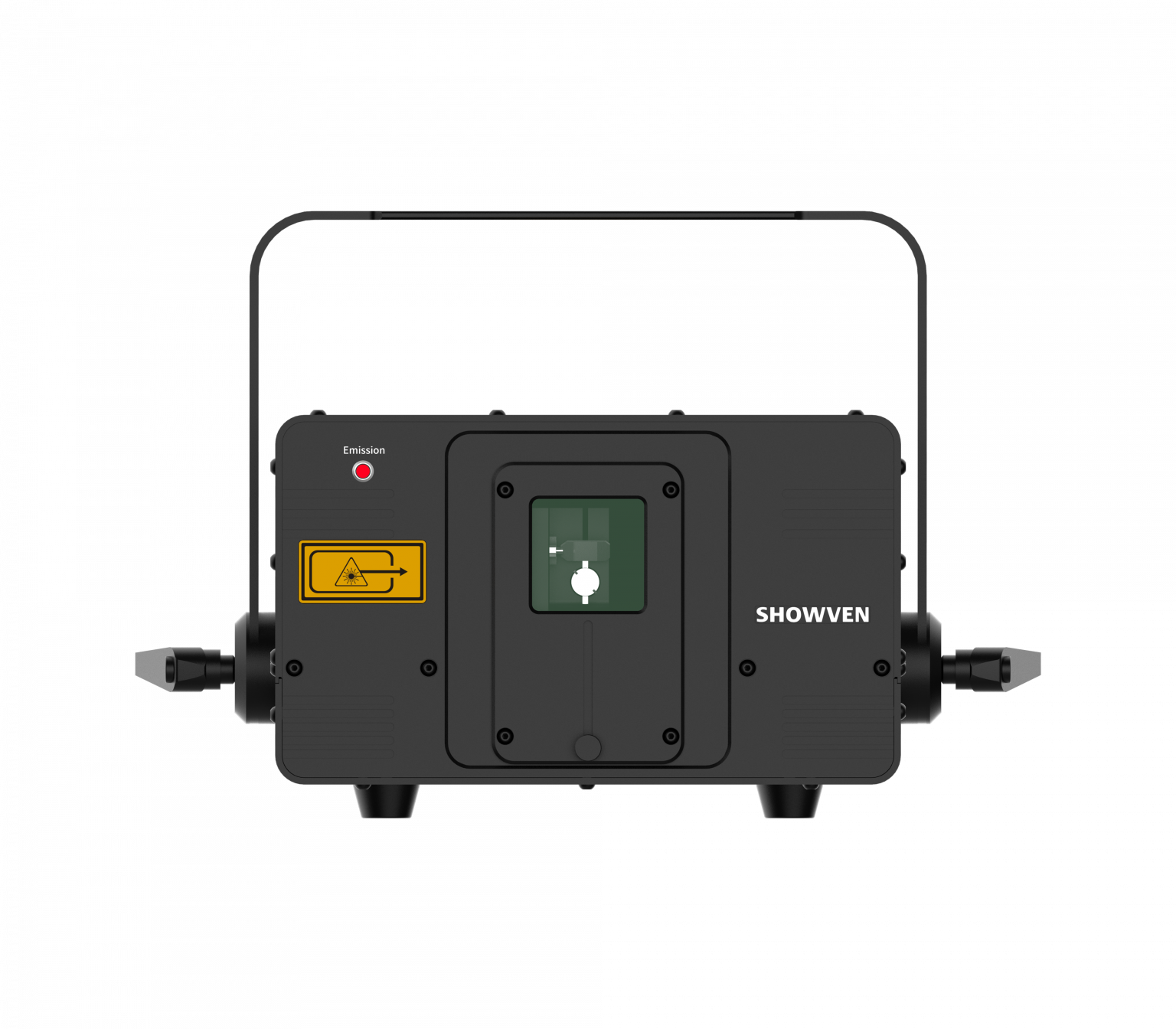
Stepping Into the Booth: Why the Beams Shape the Night
It’s Friday, the floor’s warming up, and the first bass drop rolls like thunder. A DJ laser light can either sharpen that moment or flatten it. Down here, y’all, we notice when the room breathes with the beat (or when it doesn’t). Venue reports often show longer dwell time and higher bar sales when visuals sync clean—shorter beam divergence, smoother scans, better timing. But here’s the rub: if the lasers smear or jitter, folks drift to the back, phones go up, and the energy slips. So why does the same rig feel epic in one club and meh in another—and how can you fix it without breaking the bank?
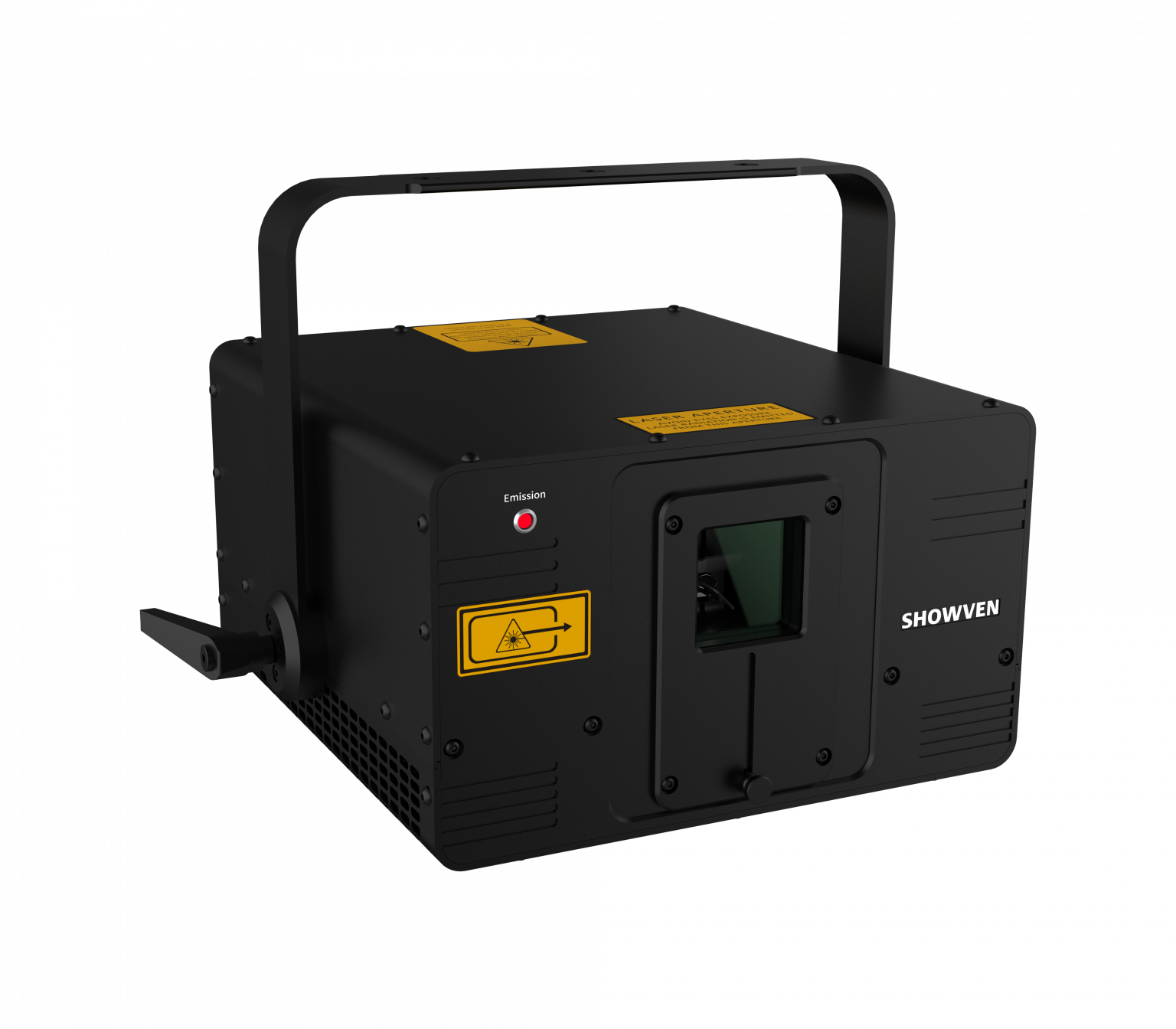
Let’s unpack the gap between “cool effect” and “keeps the crowd.” We’ll compare how the light travels, what the control path does to timing, and how power converters and cooling matter more than you think. Then we’ll look ahead at smarter control and safer output—because the floor deserves both. Ready to dig in? Next up, what actually causes that missed beat.
Hidden Friction in the Booth: Where Traditional Rigs Fall Short
Why do old rigs fall short?
Most budget rigs aim wide and pray. Even solid nightclub laser lights can stumble when the system around them isn’t tuned. The usual suspects are simple: slow galvanometer scanners that can’t keep pace with fast cues, high beam divergence that turns crisp lines into fuzzy haze, and DMX512-only control that adds latency at the worst moment. Add in cheap power converters that ripple under load and you get flicker during drops—exactly when you need stability. Look, it’s simpler than you think: timing plus optics equals trust. If the optical path isn’t aligned and the duty cycle is pushed too hard, even a high-watt diode won’t save the look.
There’s also the control mismatch. ILDA can carry dense frames cleanly, but many rigs still lean on basic cue stacks with long fades that fight the music (funny how that works, right?). When firmware can’t handle quick re-pointing or safety zones correctly, the beam map gets jittery, and scanning lines bend under load. Fans kick louder, heat rises, and the scanners throttle to protect themselves—so your best moments look like a soft focus filter. The crowd doesn’t call it “galvo lag,” they just feel drift. That’s the hidden pain point buried in the booth.
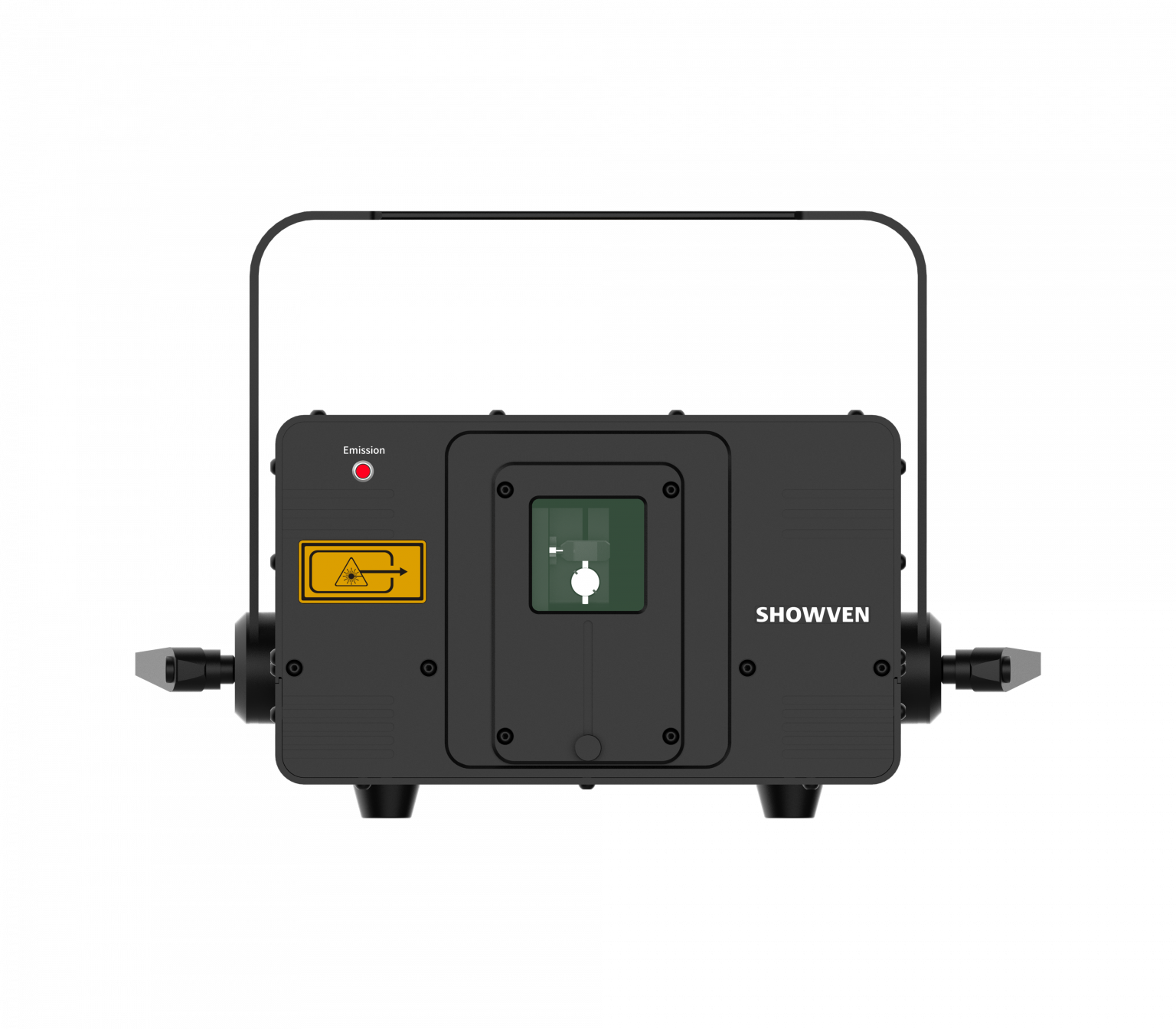
New Principles, Clearer Floors: The Forward Look
What’s Next
The path forward is less about “more watts” and more about smarter control, safer output, and stable power. Think closed-loop scanners with faster step response, linearized color mixing, and power converters with better filtering so the beam doesn’t wobble under transient hits. New control stacks pair ILDA frames with time-locked triggers, sometimes via edge computing nodes that pre-buffer cues near the booth—tiny helpers that keep sync tight. Compared side by side with older rigs, the difference is simple to the eye: lines stay straight, tunnels hold shape, and aerial fans don’t stutter as the kick lands. Add proper safety shutters, beam caps, and zoning, and you get reliable wow without guesswork—funny how safety and hype can get along, right?
In real rooms, upgrading core pieces scales the vibe fast. Replace the slowest link—often the scanners or the control path—and even familiar party laser lights feel brand new. Better firmware equals fewer misfires; tighter thermal design means stable brightness past midnight; smaller beam divergence makes haze look like a canvas instead of fog. So, how should you choose? Use three simple checks: 1) Scan speed under load—does the pattern hold at high BPM with no tear? 2) Power stability—do you see flicker when bass peaks hit, or do the converters keep it clean? 3) Control latency—can you trigger frames in time, with safety zones respected, every single drop? Nail those, and the floor stays yours.
Keep comparing the look, not just the spec sheet—because the crowd only votes with their feet. For deeper specs and system thinking, see Showven Laser.