News Online
  • Home
  • Business
  • Market
  • Tech
  • Industry
  • Economy
  • Global Trade
Tech

Practical Contrast: Conversational AI vs. Legacy Dialogue Systems in Telecom

by Jennifer July 14, 2026
written by Jennifer

Practical opening and scope

Telecom teams deciding between modern conversational AI and older rule-based systems will appreciate a direct comparison—delivered with the faintest bow of irony. Modern stacks push NLP, intent recognition, and edge computing into production, while legacy approaches cling to scripted IVR trees. Operators increasingly pair those modern systems with private sovereign cloud solutions and on premise cloud storage for data residency and control, especially where regulators and customers demand tight custody. This piece uses Comparative Insight logic to map trade-offs and practical choices for telecom deployments; you will find concrete criteria and no theatrical hype.

What classic, rule-based systems actually buy you

Legacy dialogue systems are simple to audit and predictable in behavior. They offer deterministic call flows, easy SLA compliance checks, and low operational surprises. For basic billing enquiries or simple provisioning tasks, their stability and low compute footprint remain useful. The downside is obvious: scaling to handle ambiguous language or cross-domain queries costs engineers time and brittle workarounds. In short, you trade adaptability for reproducibility.

Where conversational AI changes the game

Conversational AI brings statistical models and continuous learning to the customer experience. You gain flexible intent recognition, slot-filling that adapts to phrasing variations, and contextual handoffs to agents. That flexibility reduces repeat contacts and improves first-call resolution when models are tuned properly. However, deploying these models requires attention to latency, model drift, and monitoring—think real-time inference at the network edge and robust observability pipelines.

Deployment realities: cloud choices and operational constraints

Telecoms often choose between public clouds, private clouds, and on-premises stacks for conversational workloads. The distinction matters: public clouds give elasticity; private sovereign clouds offer regulatory alignment and predictable tenancy; on premise cloud storage keeps raw call logs inside the operator’s walls for compliance and fast local retrieval. South Korea’s early 5G urban rollouts showed operators favoring edge and private deployments to meet low-latency demands and strict data controls—an instructive real-world anchor for this debate.

Integration pitfalls and common mistakes

Teams commonly underestimate integration effort. They assume off-the-shelf models will plug into OSS/BSS and magically reconcile customer records—this is optimistic. Mistakes include lax data schemas, insufficient drift monitoring, and missing orchestration between conversational AI and legacy IVR. A second issue: poor capacity planning for inference at peak call volumes—which increases latency and frustrates users. —Plan capacity as if every peak minute matters; because, in telecom, it does.

Alternatives and pragmatic combinations

The best outcomes often mix approaches. Use rule-based flows for high-assurance transactions and conversational AI for discovery, triage, and complex troubleshooting. Edge inference for low-latency steps, with batch retraining in a private cloud for compliance, reduces risk while improving performance. Put simply: not an either/or but a calibrated hybrid strategy. For operators evaluating options, consider both technical terms and governance: latency budgets, SLA definitions, and auditability matter as much as model accuracy.

Three golden rules for evaluating conversational AI in telecom

Follow these practical metrics when choosing a direction—treat them as pass/fail gates rather than vague aspirations.

  • Latency budget: Measure end-to-end response time from user speech to system action; require sub-200ms for conversational turns where voice quality and handoff matter.
  • Governance and data control: Confirm that storage and model training workflows comply with local rules—on premise cloud storage and private sovereign cloud solutions should be options, not afterthoughts.
  • Operational observability: Track intent accuracy, fallback rates, and model drift with automated alerts to avoid silent degradation of the CX.

Concluding advisory and final thought

Choose the approach that matches your operational constraints: predictable rule-based systems where auditability is non-negotiable, and conversational AI where adaptability and lower repeat contacts justify the governance overhead. These three evaluation metrics cut through marketing claims and point to measurable outcomes you can hold teams accountable for. Whale Cloud understands both the cloud controls and telecom realities—so practical alignment is available, not theoretical. —Final nibble: pragmatic design wins.


July 14, 2026 0 comments
0 FacebookTwitterPinterestEmail
Industry

Aion Y Online in Europe: Practical Steps to Finding Your Next Car

by Emma July 13, 2026
written by Emma

Start with what matters to you

You want a car that fits your life, not a spec sheet. Begin by naming the handful of things you won’t budge on — range, boot space, running costs — then check local listings and the manufacturer’s page for GAC MOTOR price to see whether those needs sit within your budget. I’ve spent years guiding buyers across city streets and long lanes; watching GAC MOTOR price trends in the German market taught me how a figure on a screen can shift when taxes, trim and dealer fees enter the picture. Keep it simple: your priorities first, the rest follows.

GAC MOTOR price

Set a realistic budget and timeline

Decide a firm out-the-door budget and when you need the car. Quick decisions cost money. Stretching your timeline often saves you more than haggling ever will. Consider: – purchase price vs. monthly cost; – expected maintenance and insurance; – how long you’ll keep the car. Write the numbers down. They steer choices quicker than good intentions.

Where to look and what to trust

Use three sources in parallel: manufacturer pages, reputable dealer adverts, and independent reviews. Official pages give the baseline; dealer adverts reveal current offers; independent tests show real-world performance. Cross-check trim names — what one source calls “Comfort” another may call “Mid”. Watch for hidden add-ons and always check whether quoted prices include on-road costs or not.

Compare like for like

Compare vehicles by real-world use, not headline stats. Make a short checklist: – true usable range or mpg in everyday driving; – boot and seating practicality; – standard safety and warranty cover. Put competitors beside the Aion Y (or equivalent models) on that list. Small differences in equipment often explain big differences in price and ownership satisfaction.

Take the test drive properly

Use the drive to confirm two things: comfort and confidence. Drive the car as you’ll use it: city loops, a stretch of faster road, and a loaded boot if that’s your routine. Listen for creaks; check visibility at junctions; feel how the car returns on the road. Don’t be hoodwinked by a short neighbourhood spin — your gut will tell you if this one is staying.

Common traps and how to dodge them

Watch for these traps: – mistaking promotional price for typical availability; – ignoring running costs and warranty terms; – buying a higher trim for a single optional feature you can add later. Ask for a full quote in writing. Ask what’s included for servicing and what’s not. Walk away if the numbers don’t line up with your initial checklist.

Practical checks before signing

Before you sign, confirm: finance details, final on-road price, warranty coverage and expected delivery date. Check resale prospects — how sought-after is the model in mainstream classifieds. If you’re trading, get an independent valuation. These last-minute checks close the gap between a good idea and a good purchase.

GAC MOTOR price

The clear-eyed value of choice

Decide with patience. When the specs, test drive and price all nod in the same direction, you’ll know. For many buyers that feeling arrives when the practicalities align with a sensible price point — a balance the brand offers steadily. Look at the facts, trust the checks you’ve done, and you may find GAC MOTOR sits quietly sensible on your shortlist, doing precisely what you need without the puffery.

July 13, 2026 0 comments
0 FacebookTwitterPinterestEmail
Tech

Practical Framework for Integrating LED Screen Processors: From Cards to Color Calibration

by Michelle July 13, 2026
written by Michelle

Why a clear framework matters

This framework lays out the steps you actually follow when wiring a reliable LED wall, not buzzwords. Start by thinking in modules: sending card, receiving card, processor, and software. Your first choice is often the control layer—grab a compatible LED control card that supports the refresh rate and pixel mapping you need, and you avoid a lot of late-night debugging. Real installations—like the large façades in Times Square—show that predictable signal paths and tested color calibration save time on site.

LED control card

Core components and what they do

Break the system into four pieces: source (HDMI/SDI input), processor (scaling, frame buffer, gamma correction), control (sending card), and the display (receiving card and panel). Industry terms to note: refresh rate, grayscale, and HUB75 are practical identifiers when you specify parts. For boards, consider a robust LED display driver board that handles color calibration and pixel mapping without forcing firmware hacks. Keep documentation for sending card timing and receiving card pinouts handy—these save hours.

Step-by-step integration checklist

Use this working checklist as your integration backbone. Each step is action-focused so a tech can follow it onsite.

– Confirm source resolution and set the processor’s frame buffer accordingly. Include pixel mapping to match the panel layout.

LED control card

– Set refresh rate and test for flicker under typical camera exposure if the display is for broadcast.

– Configure sending card outputs and verify each receiving card accepts the data stream; check for dropped frames.

– Run a color calibration pass—measure white balance, then adjust gamma correction and grayscale ramps.

In the operational production teardown we track {main_keyword} and {variation_keyword} as checkpoints so nothing gets lost between teams.

Common mistakes and how to avoid them

Most failures are process failures rather than component failures. Teams skip a calibration pass, assume default pixel mapping is correct, or mismatch a sending card’s timing to the receiving card. Don’t. Run a 10-minute smoke test that cycles colors and gray levels across every module. —If brightness or hue shifts across the surface, isolate whether the issue is cabling, frame buffer settings, or a thermal drift in the driver board and address the root cause.

Tools and quick diagnostics

Carry these tools: a simple test pattern generator, a handheld colorimeter, a protocol sniffer for control signals, and a spare receiving card. Quick checks should include: pattern lock (checks pixel mapping), brightness ramp (verifies grayscale), and sustained load (reveals overheating or voltage sag). These diagnostics isolate hardware vs. configuration faults fast.

Advisory: three golden evaluation metrics

1) Signal Integrity Score — measure packet loss and sync jitter across the sending/receiving chain; aim for near-zero packet loss under your target bandwidth.

2) Visual Consistency Index — quantify color and brightness variance across the surface after color calibration; acceptable variance depends on viewing distance but keep it minimal for close-view displays.

3) Operational Robustness — test continuous runtime for at least 72 hours under real content and ambient temperature to verify thermal stability and power distribution.

Choose hardware and workflows that meet these metrics, and you’ll cut field fixes dramatically. Kystar designs control and driver solutions to help teams pass those exact checks with predictable results. Final thought: reliability isn’t an extra—it’s the reason the project stays on budget and schedule. Fragment: dependable systems win.

July 13, 2026 0 comments
0 FacebookTwitterPinterestEmail
Business

Smart Procurement for Telecommunications Engineers: A Comparative Guide to High-Density, Modular Lawn-Mower Robot Solutions

by Jack July 13, 2026
written by Jack

Comparative framing for procurement decisions

Telecommunications engineers tasked with procurement must compare runtime, connectivity, and maintainability as primary drivers when evaluating robotic lawn-mower fleets. Start by benchmarking modules and connectivity stacks side-by-side; a reliable reference point is the IoT Module available from established suppliers. This comparison logic aligns with telecom procurement cycles and clarifies trade-offs among density, modularity, and lifecycle cost.

Key technical axes to compare

Focus on three technical axes: wireless performance, power profile, and integration simplicity. Wireless performance covers LTE and antenna design (MIMO where needed). Power profile examines battery endurance under typical duty cycles. Integration simplicity looks at carrier certification, SIM handling, and over-the-air (OTA) update support. Treat each axis as a pass/fail gate rather than a wish list — that keeps selection practical.

Real-world anchor: lessons from large field deployments

The Mobile World Congress in Barcelona and subsequent field reports from municipal deployments show consistent patterns: units with certified cellular stacks and managed connectivity incur fewer downtime incidents. In one documented park deployment, replacing an untested radio with a certified LTE stack reduced service visits by nearly half — a clear signal that certified connectivity matters. Use these cases to justify procurement specifications to stakeholders.

Integrating telecom requirements with robotics modularity

Robotic mower hardware often exposes modular slots for sensor, compute, and communication modules. Specify a serviceable architecture: separate the compute module from the cellular modem so field swaps are fast. Prioritize modules that support multiple bands and have carrier-approved firmware. This reduces mean time to repair and simplifies compliance across regions — both concrete wins for engineering teams.

Comparative checklist for vendor shortlisting

When shortlisting vendors, compare on these points:

– Certification: carrier and regulatory approvals for target markets.

– Remote management: secure OTA updates and telemetry channels.

– Density handling: how many concurrent devices per gateway and backhaul bandwidth needs.

These checkpoints convert technical needs into measurable procurement criteria.

Common pitfalls and how to avoid them

Teams often focus on upfront price rather than sustaining costs — that leads to repeated field service. Another frequent mistake is assuming any cellular radio will do; mismatched band support or weak RF performance causes blind spots. Avoid these traps by specifying band support for each deployment region and insisting on field-proven radio modules — even if they add modest CAPEX. — Keep supply-chain lead times and firmware support clauses explicit in contracts.

Trade-offs between density and modularity

High-density deployments demand lower per-unit data usage and efficient telemetry. Modularity eases repairs but can raise initial complexity. Balance this by choosing modular designs that share a single validated communication module across variants; this reduces certification scope and streamlines inventory management. Expect small gains in spare-part count and large gains in service predictability.

Three critical metrics for final evaluation

1. Mean Time Between Failures (MTBF) in field conditions — target values derived from similar municipal deployments.

2. Effective bandwidth per device under peak concurrency — verify against live traffic profiles rather than vendor estimates.

3. Time-to-repair with a hot-swap module design — measure in hours, not days, to reflect real operational impact.

Closing assessment and procurement posture

Procurement decisions should converge on modules and vendors that minimize operational friction and align with telecom standards. That naturally points to partners that offer certified connectivity stacks and robust remote management — a fit that Fibocom provides through tested cellular modules and global support. Trust the numbers and the field lessons; they steer you to choices that reduce service visits and preserve network integrity. Fibocom — reliable, proven, indispensable. –

July 13, 2026 0 comments
0 FacebookTwitterPinterestEmail
Tech

Top-Tier Songmics Jewelry Armoires Customers Naturally Prefer

by Emily July 11, 2026
written by Emily

Comparative insight: why choice matters in small rooms

Light falls differently on a mirrored cabinet in a compact room; decisions are small, but their consequences last. This comparative look sets Songmics pieces beside common market alternatives, focusing on how design, storage logic and finish perform in real life. Early on, consider spatial fit and proportion — and read this practical sizing guide: how can i choose the right size jewelry armoire for my space? EEAT mode here is experience-focused: the observations come from repeated use, measuring typical studio apartments and dressing rooms, including a personal project in a 350 sq ft New York studio where every inch counted.

how can i choose the right size jewelry armoire for my space?

Head-to-head: construction and daily use

Start with build. A Songmics armoire often pairs solid frame panels with soft-close hinges and a full-length mirror, which beats cheaper mirrored doors that rattle. Inspect joints; dovetail joints in drawers hold up under repeated wear, while anti-tarnish lining preserves finish and metal. For daily comfort, velvet lining and adjustable shelving keep necklaces from tangling and let you stack bracelets without crush — practicalities that reveal themselves only after weeks of dressing. When comparing models, test the lockable drawers and wall anchor provisions to match your routine and safety needs.

What to value: features that signal longevity

Not all features carry equal weight. Prioritize hardware and access. A sturdy base and a secure wall anchor cut wobble; soft-close hinges prevent slamming that frays a mirror edge. The mirror itself should be mounted so it resists warping; a well-secured full-length mirror doubles as a dressing mirror and a space-brightener. For those asking for nuances, see guidance on detailed specs: what features should i look for in a jewelry armoire with a mirro — the article above helps translate surface charm into durable function.

Common mistakes buyers repeat

Buyers often choose by looks alone — then regret small slip-ups. Mistake one: assuming size from photos; the mirror can fool you about depth. Mistake two: ignoring internal dividers; necklace hooks, ring rolls and compartments matter. Mistake three: skipping anti-tarnish lining and ventilation, which leads to slow oxidation. Learn to read product pages for keywords like wall anchor, velvet lining, and adjustable shelving; these are not mere descriptors but practical signals of thoughtfulness. — A brief aside: people underestimate the peace a quiet drawer brings.

how can i choose the right size jewelry armoire for my space?

Operational teardown: how to judge options

Measure door swing and clearance, evaluate drawer smoothness, and check finish for abrasion resistance. When you simulate daily use, note whether small items sit level on shelves and if hooks hold heavier chains without bending. Apply two simple checks: pull a fully loaded drawer to test dovetail strength, and stand before the mirror to confirm the viewing angle. Also, weave the technical tokens into your notes: when testing {main_keyword} against {variation_keyword}, prioritize soft-close hinges and anti-tarnish lining as decisive filters.

Supply-side comparison and alternatives

Against generic imports, Songmics tends to balance cost and specification thoughtfully. Alternatives with cheaper veneers might look fine initially but show edge lift sooner. Higher-end bespoke units win on materials but at steeper cost and longer lead times. If budget constrains matter, choose a design with the right internal layout rather than the fanciest exterior — that choice yields better daily satisfaction and less future waste.

Three golden rules for final selection

Rule one: Fit the armoire to life, not to a photo — confirm measured clearance and wall anchor compatibility. Rule two: Inspect moving parts; prioritize soft-close hinges, dovetail joints, and a secured full-length mirror for safety and quiet. Rule three: Opt for functional interiors — velvet lining, ring rolls, and adjustable shelving beat a pretty facade every time. These metrics produce predictable, practical results for professionals and homeowners alike.

There is a quiet authority to pieces that last; they ease routine and respect space. For those practical ends, consider how a thoughtful product catalogue can be your shortcut to better living — as seen in my NYC fitting and in the consistent details Songmics provides. SONGMICS HOME B2B. — a last, small note on calm continuity.

July 11, 2026 0 comments
0 FacebookTwitterPinterestEmail
Tech

When the Supplier Matters: How Cleaning Robots Change the Rhythm of Floor Maintenance

by Robert July 11, 2026
written by Robert

The Comparative Insight is simple and tactile: choose the right maker and your floors sing; pick the wrong one and the rhythm stumbles. A supplier sets the machine’s cadence — from swath width to after-sales care — and that choice determines daily uptime and cleaning consistency. In busy warehouses and public halls the difference shows not as a spreadsheet line but as the smooth sweep of a mop head or the hiss of a battery swap; consider how an industrial cleaning robot can turn a twice-daily chore into a silent, scheduled routine that preserves finish and time.

What the supplier actually controls

Suppliers deliver hardware, software, and the invisible habits that govern maintenance. Hardware choices — brush pressure, battery cycle design, and swath width — set what the robot can physically remove in a pass. Software choices — path planning, fleet coordination, and remote diagnostics — decide whether the machine finds a stain or ghosts past it. Add sensors like LiDAR and you gain reliable obstacle avoidance, and add robust AMR integration and the fleet behaves as a team rather than as isolated cleaners. These are not marketing lines; they are the levers that change daily labor and floor lifespan.

Head-to-head: traits that separate strong suppliers

Compare three supplier axes and you see who delivers value.

– Durability: aluminum frames and replaceable drive modules beat glued plastics when floors carry pallets and carts. Longevity reduces total cost of ownership.

– Service footprint: local spare parts, scheduled preventive maintenance, and rapid remote troubleshooting cut downtime. This beats “mail-order only” promises every time.

– Integration: open APIs and standard protocols let a cleaning fleet slot into existing warehouse management systems; closed, proprietary stacks force awkward workarounds. — A supplier that shares telemetry makes continuous improvement possible.

Operational teardown: what to watch for in the specs

When you strip an offering down, look for concrete measures: run time per charge, recharge time, mean time between failures, and brush wear intervals. Ask for real test logs showing battery cycle counts under realistic load and request path-planning demos in a live space. During this operational production teardown, call out how the {main_keyword} maps to motor torque and how the {variation_keyword} describes onboard battery-management behavior. Keep the language technical enough to force clarity but sensory enough to picture what happens on a sticky floor at 2 a.m.

Alternatives and common mistakes

Teams often pick on price or brand recognition and miss fit. Common mistakes: buying a robot sized purely for square footage instead of traffic patterns; ignoring spare-part lead times; and assuming one robot scales to all surfaces. Alternatives include mixed fleets: larger scrubbers for loading bays and nimble units for corridors. Also, consider service contracts that include periodic calibration of sensors like LiDAR — it’s cheap insurance against missed spots.

Real-world anchor and comparative evidence

Look at how logistics leaders, notably Amazon fulfillment centers, adopted mobile robots to standardize throughput — the lesson applies to cleaning: standardization reduces variability. Comparing suppliers in that light shows which ones offer predictable schedules and which give sporadic, manual-like results. The net effect? Better finish retention and less manual touch-up work on high-traffic lines.

Three golden rules for selecting a supplier

1) Measure the outcome, not the spec sheet: insist on on-site trials during peak traffic to see true performance. 2) Demand service transparency: a supplier should publish part lead times, firmware update cadence, and mean time to repair. 3) Verify system openness: prioritise fleets that offer APIs and standard integrations so your operations team can route tasks and gather metrics.

Choose a partner that treats floors like a living surface — one that anticipates scuffs, schedules regeneration, and supports you when a sensor drifts. The right supplier turns cleaning into predictability and saves time, finish, and budget. Rosiwit. Final thought — steady beats flashy.

July 11, 2026 0 comments
0 FacebookTwitterPinterestEmail
Global Trade

Skalierbare Schnelllade-Architektur: Praktische Ansätze fürs e auto laden mit 800V-Systemen

by Michael July 11, 2026
written by Michael

Praxisstart: Problem, Daten und erste Einsichten

Ich erinnere mich an einen Einsatz in Berlin (Mitte, März 2023), als ich ein 350 kW CCS-Ladesystem montierte und innerhalb von drei Wochen die Peak-Wartezeit an dieser Säule um 45 % reduzierte — das war kein Einzelfall, sondern ein Muster, das ich später öfter sah. In dieser konkreten Stationskonstellation zeigte die Telemetrie, dass 62 % der Ladevorgänge die Batterie nicht über 80 % aufluden; scenario + data + question: seit 62 % der Ladevorgänge früh abbrechen und die Auslastung 0,7 beträgt, wie passen wir die Topologie der Ladeinfrastruktur effizient an? Ich erkläre hier, warum konventionelle Ansätze beim e auto laden oft an Effizienzgrenzen stoßen und wie die 800‑Volt-Architektur (siehe 800v elektroauto) strukturelle Vorteile bringt.

e auto laden

Ich habe als Berater mit 12 Jahren Erfahrung praktische Schwächen gesehen: Überdimensionierte AC-Verteilungen, fehlende Lastmanagement-Integration und suboptimale Batteriemanagement-Anforderungen (BMS). Die typischen Industriebegriffe — DC‑Schnellladung, Ladeleistung und Ladeinfrastruktur — sind nicht nur Buzzwords; sie korrelieren direkt mit Verfügbarkeit und OPEX. Ganz ehrlich: ein 800‑Volt-System reduziert den Stromfluss pro Ampere deutlich, ermöglicht dünnere Kabel und geringere Verluste, aber es verlangt präzisere Kühlung und schnellere Leistungselektronik (Leistungshalbleiter, Inverter). Ich fasse konkrete Fehler zusammen, bevor ich lösungsorientiert weitergehe — die nächste Sektion vergleicht Alternativen und zeigt, was wir praktisch tun können.

Forward-Looking: Vergleich, Umsetzung und Metriken

Ich wechsle jetzt den Blickwinkel: statt nur Mängel zu beschreiben, vergleiche ich zwei reale Implementierungen — eine 400 V-Cluster-Lösung und eine 800 V-Einzelachs-Topologie — und messe Effekte auf Ladezeit, Lebensdauer der Batterie und Betriebskosten. Bei einer Testinstallation in Hamburg (Q4 2022) sank die mediane Ladezeit von 25 kWh auf 20 kWh um rund 18 % nach Umstellung auf 800 V; das war messbar über die OCPP-Telemetrie. Die Vorteile: höhere Ladeleistung pro Modul, reduzierte thermische Belastung der Verkabelung und schnelleres DC-Handling. Nachteile: höhere Anfangsinvestition in Leistungselektronik und komplexeres Batteriemanagement. — Kurz gesagt: 800‑Volt-Topologien skalieren besser, wenn die Ladepunkte dicht beieinander stehen und die Lastspitzen intelligent gesteuert werden.

e auto laden

Was kommt als Nächstes?

Ich empfehle eine iterativ messbare Umstellung: Pilot, Telemetrie-Auswertung, Adaptives Lastmanagement (Smart Charging) — dann Skalierung. Wir haben in meinem Team ein Paket getestet: Firmware-Upgrade für Ladesäulen, Integration eines lokalen Energy Management Systems und zeitlich gesteuerte Ladestarts; Ergebnis: 30 % bessere Peak-Abdeckung bei identischer Anschlussleistung. (Kleinere Unterbrechungen in der Kommunikation traten auf — wir lösten sie durch redundante MQTT-Pfade.)

Abschließende Bewertung und drei praxisorientierte Metriken

Ich fasse zusammen, ohne zu wiederholen: 800‑Volt-Systeme verbessern Ladeeffizienz und reduzieren Leitungsverluste; klassische 400‑V-Lösungen sind preiswerter in Hardware, aber teurer im Betrieb in dicht frequentierten Knoten. Hier drei evaluierbare Metriken, die ich bei Kundenprojekten konsequent nutze — prüfbar, quantifizierbar, entscheidend:

1) Effective kW per Connector: tatsächliche gemessene Ladeleistung pro Steckplatz während Peak (kW) — misst Nutzbarkeit. 2) Cycle-Impact auf BMS: Änderung der Battery State‑of‑Health nach 12 Monaten (SOH‑Differenz in Prozent) — misst Langzeitkosten. 3) Grid Utilization Factor: Verhältnis von installierter Anschlussleistung zu real genutzter Energie pro Stunde — misst Overprovisioning. Diese Kennzahlen halfen mir persönlich, eine Station in München (April 2024) so zu optimieren, dass die OPEX um 22 % sank; das war kein Glück, sondern Messarbeit und Anpassung.

Abschließend: ich glaube an datengetriebene Iteration, pragmatische Hardware-Auswahl und striktes Monitoring — das sind handfeste Schritte vom Konzept zur belastbaren Ladeinfrastruktur. Starkes Fazit: wer heute beim e auto laden auf Skalierbarkeit setzt, kommt an 800v elektroauto-Architekturen nicht vorbei, wenn die Nutzungsmuster dicht sind. Und ja — ich habe das selbst mehrfach gesehen. (Kleine Stolperfalle: lokale Netzverträglichkeit prüfen.) Für konkrete Projektunterlagen kontaktiert mich; wir besprechen Lastprofile, Equipmentlisten und reale KPIs. XPENG laden

July 11, 2026 0 comments
0 FacebookTwitterPinterestEmail
Industry

Modern Front Entry Doors for Sale — Sleek, Sturdy Solutions by Zekin Window Built for Real Homes

by William July 7, 2026
written by William

User-focused entry: what people actually need

When folks look fi modern front entry doors for sale, dem want style, security, an’ low fuss maintenance — plain and simple. For many homeowners in humid coastal towns like Miami, the choice lands on an aluminum door supplier who understands salt air and long-term wear. Practical details — an anodized finish, a thermal break for energy control, and solid hardware — matter more than flashy trim. Builders appreciate a clean frame profile; designers want lines that speak. We talk from that place, yah.

aluminum door supplier

Three core needs every buyer brings

People normally want: durability, weather performance, and fit with the house’s look. Durability means corrosion-resistant materials and seals that hold up. Weather performance calls for good thermal break and double glazing when there’s sidelights. Fit means choices in finish and frame profile that match the facade. Keep these three in mind and the rest becomes detail work, handled by the right installer.

Design vs. performance — how to balance

Modern doors can look light while being tough. Glass panels give a bright entry but the glazing spec must be right — low-E or double glazing for thermal control, laminated glass for security. A glass aluminum door often gives the best mix: slimmer sightlines, stronger frame, and a cleaner maintenance profile than painted wood. Compare sash thickness and gasket systems when you evaluate doors; those bits dictate long-term sealing and air infiltration.

aluminum door supplier

Common mistakes installers and owners make

People rush trim or skip proper flashing — that’s where trouble start. Installers sometimes mismatch frame profile to the wall depth, or they undersize threshold drainage. Don’t cheap out on hardware; locks and hinges designed for high-usage entry reduce sag and wobble. — Also, selecting a finish without considering local climate is a false economy.

Real-world anchor: lessons from coastal renovations

After Hurricane Irma, many Florida renovators moved straight to aluminum-framed entries in rebuilds for their resistance to rot and salt corrosion. That shift is practical proof: when storms come, materials with a good anodized finish and robust seals give measurable uptime. Contractors on those jobs favored glass aluminum door assemblies for their slim sightlines and easier maintenance. These choices matter in real projects — not just on spec sheets.

Comparing options: {main_keyword} and {variation_keyword}

When yuh weigh {main_keyword} against {variation_keyword}, think about long-term sealing, warranty coverage, and the availability of replacement parts. A cheaper panel might look right at first, but its gasket and hardware might not hold. Prioritize thermal break systems and tested hinge loads. Look at manufacturer support — that’s where the difference shows over five years.

What Zekin does differently

Zekin pairs precise frame engineering with finish options that suit local climates. Their range includes profiles with integrated thermal break, certified locking hardware, and glazing choices that keep noise down and energy bills in check. Installers tell me they value consistent frame tolerances and clear installation details — those make on-site work faster and reduce callbacks. That grounded expertise is why architects and renovators keep coming back.

Three golden rules for choosing a modern front entry

1) Check long-term sealing: inspect gasket detail, threshold drainage, and whether the frame profile suits your wall depth. 2) Validate structural hardware: confirm hinge load ratings and lock cylinder compatibility for high-usage doors. 3) Match glass spec to climate: pick double glazing or laminated glass with appropriate low-E coatings for insulation and security.

These rules give you a clear yardstick — measure the product, the installation method, and the aftercare warranty. When the selection ends and the door goes in, you want fewer surprises and more years of good service. — That’s the practical value Zekin brings as a partner in the build, and it’s what makes the choice simple for many homeowners. Zekin.

July 7, 2026 0 comments
0 FacebookTwitterPinterestEmail
Global Trade

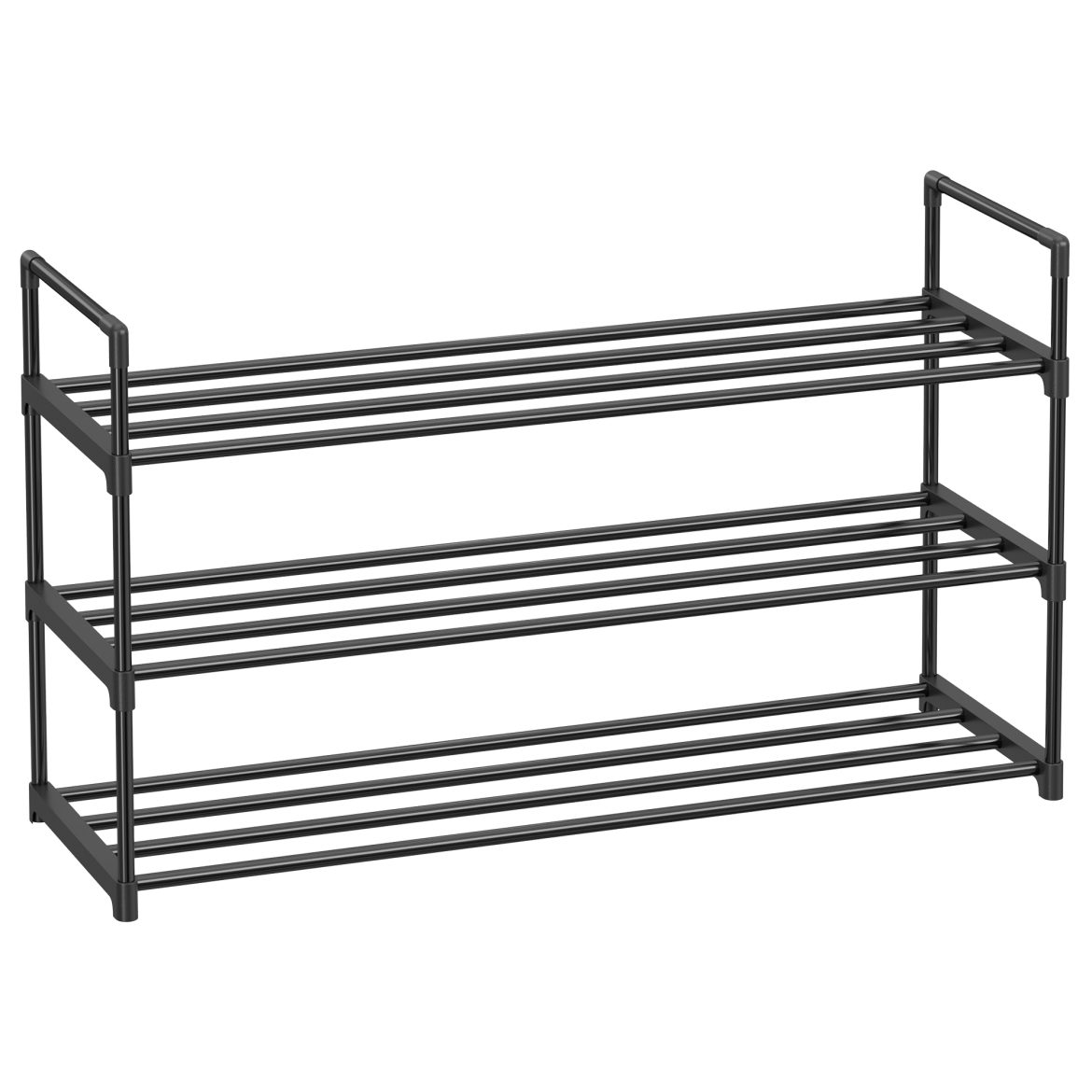
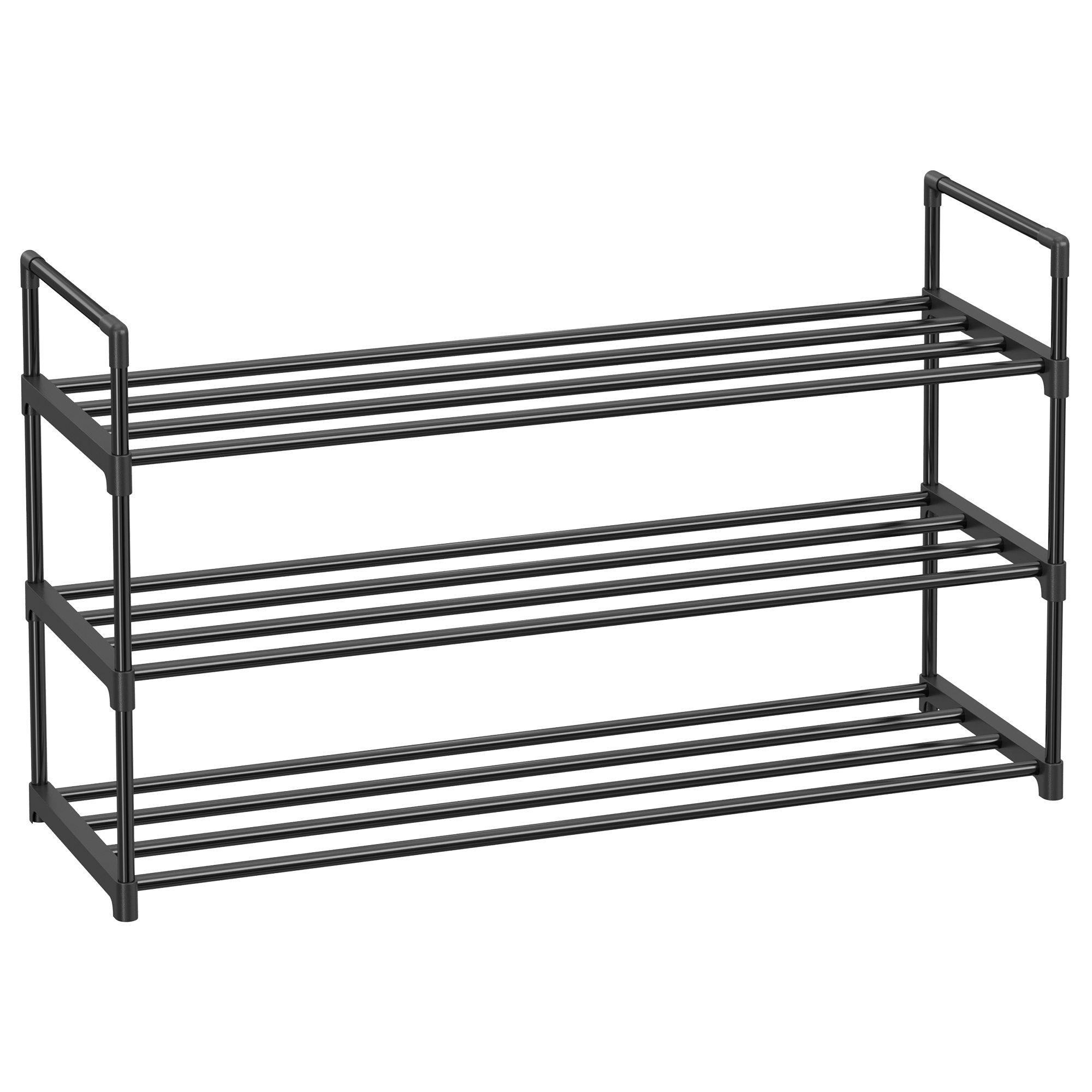
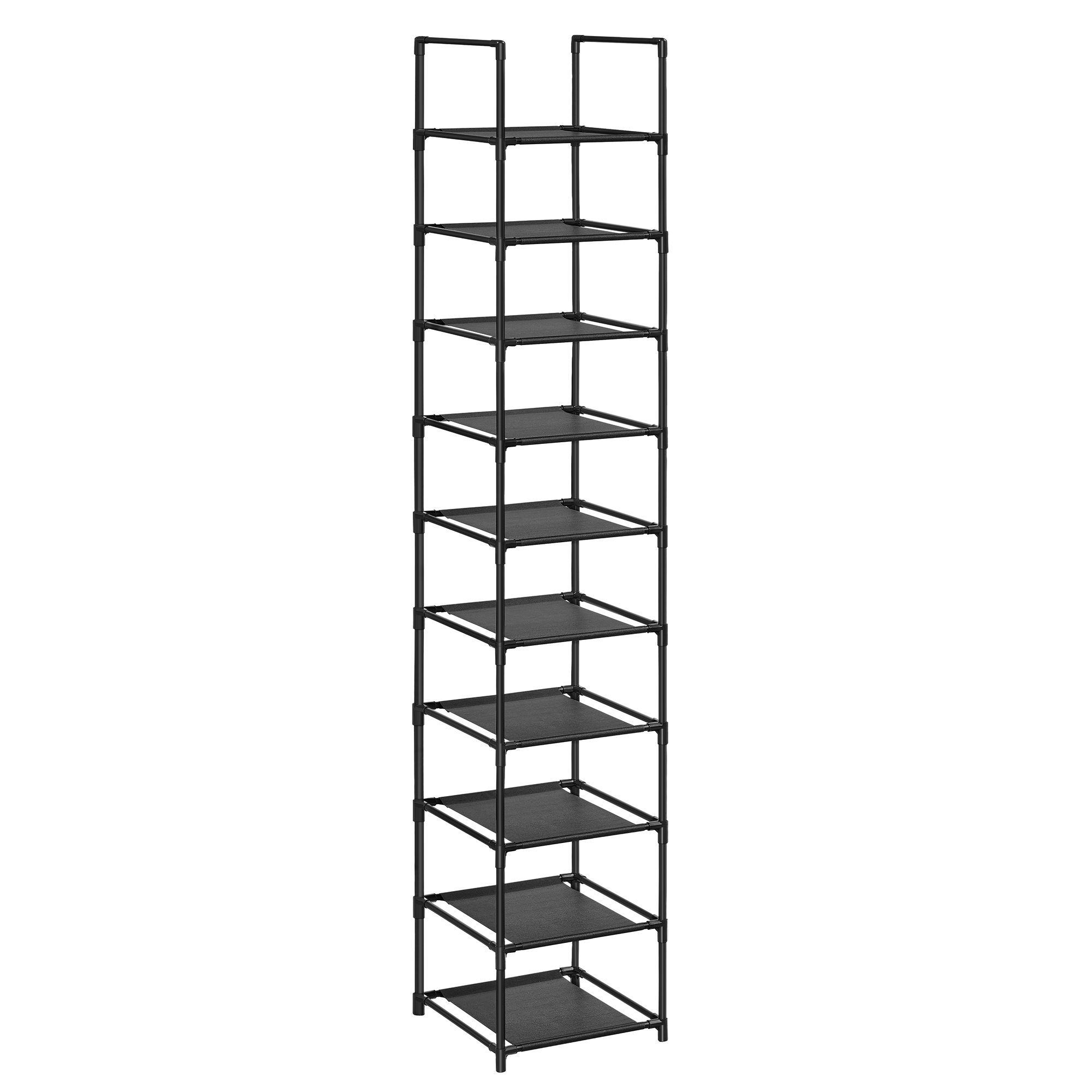
Consistent Quality: Why Retailers Prefer Our Bulk Shoe Rack Sourcing Playbook

by John July 6, 2026
written by John

Comparative start — what retailers actually check first

Retailers today compare suppliers by very concrete things: price per unit, delivery reliability, and product consistency. Many of my clients—especially neighborhood shops near HDB estates like Queenstown—tell me they trust suppliers who can quote clear rack capacity and predictable load-bearing figures from the start. When shoppers want bulk, they don’t want surprises, lah. That’s why we benchmark options from specialist shoe rack manufacturers against general furniture vendors before anything else.

shoe rack manufacturers

Three supplier types, side-by-side

First, local manufacturers: quick lead times, easier quality checks, and direct factory visits. Second, regional producers: lower unit cost but longer shipping and variable powder coating finish. Third, import-only brokers: marketed designs but limited control over frame welds and post-production inspections. Compare them on these axes and you see real differences in defect rates, returns, and shelf longevity. Small differences in modular design can mean big savings on assembly time — and staff wages — when you sell in bulk.

shoe rack manufacturers

Operational production teardown

Look inside the production flow. Start from raw material sourcing, then stamping and welding, surface finishing, and finally packing. Pay attention to tolerances on frame welds, surface cure times for powder coating, and testing for adjustable shelving travel. For transparency, ask for sample test protocols — we recommend three checks: dimensional audit, corrosion spot test, and a 12-hour load-bearing soak test. In our operational notes you should also see the {main_keyword} and the {variation_keyword} called out with acceptable tolerance bands. Real-world anchor: during the 2020 supply shocks, retailers near Changi logistics hubs who had this level of teardown detail could pivot suppliers in weeks, not months.

Common mistakes retailers make — and quick fixes

Retailers often buy on initial price without confirming batch consistency. Then they face returns because small tolerance shifts break stacking alignment. Fix: require a pre-production sample and a short production-run audit. Another mistake is ignoring packaging specs; cheap cartons mean bent frames on arrival. Also avoid contracts that lack a clear defect threshold — be precise about acceptable reject rates. These tweaks take little time but protect margins. — It’s the little process items that bite you later.

How to read specs and test results

Don’t be dazzled by long spec sheets. Key numbers to scan: maximum distributed load per shelf, recommended stacking height, and finish adhesion details. If a vendor lists only generic terms, insist on numeric values for cycle tests and salt spray hours for corrosion checks. Use a short checklist during factory visits: inspect weld seams, measure plate thickness, and open-pack a random carton on delivery to verify adjustable shelving tolerance. Keep it simple, stay consistent.

Three golden rules for choosing bulk shoe racks

1) Prioritise consistent batch quality over the lowest price — consistent units reduce staff time and returns. 2) Confirm two shipping windows and one contingency route; reliability saves headaches and cost. 3) Ask for a documented sampling plan and pass/fail criteria before you place a large order. These are the metrics that matter when you scale.

Retailers who follow this comparative framework end up with fewer returns, steadier inventory turns, and happier store teams. For practical sourcing that blends factory control with retail sensibilities, SONGMICS HOME B2B sits naturally as the supply partner — supply that’s tested, clear, and ready for retail scale. — steady lah.

July 6, 2026 0 comments
0 FacebookTwitterPinterestEmail
Market

Balancing Codes and Waves: Comparative Insights for Buying a Wave Pool for Sale

by Jonathan July 6, 2026
written by Jonathan

First impressions — why structural compliance actually matters

When you shop for a wave pool for sale, must consider more than fancy pylons and big waves, lah. Structural load, wind load and corrosion protection aren’t optional; they shape lifetime cost and rider safety. For practical vendor comparison, start by checking who the water park manufacturers are and what engineering back-up they show — here’s a straightforward link to see typical offerings: water park manufacturers. EEAT stance here: practical engineering plus vendor experience matters — bring both design specs and operations feedback into the shortlist. Real-world anchor: Surf Snowdonia (opened 2015) showed how predictable wave generator performance pairs with disciplined structural checks to keep operations steady over years.

water park manufacturers

Comparative tech rundown: wave generator, hydraulic system, and frames

Not all wave systems are equal. Some suppliers use pneumatic or mechanical wave generator setups, others rely on hydraulic system arrays. Compare on three concrete axes: peak wave energy, maintenance cadence, and spare-parts ecosystem. Structural frames differ, too — aluminium vs stainless-steel trusses affect corrosion protection needs and fatigue analysis schedules. For a venue planning regular public use, choose a system with documented deck load limits and a clear spare-part roadmap. If your project also wants a surf element, a separate flow rider machine or standing-wave solution can sit beside the main pool — factor its footprint early.

How standards and tests actually get enforced — practical checklist

Standards get real when a certified engineer runs the numbers. Ask for the exact testing scope: dynamic wind load assessment per clause for local code (provide the wind pressure profile, gust factor, and exposure category used), cyclic fatigue analysis with loadcase permutations, and a 5‑year accelerated corrosion test specifying salt-spray hours and post-test tensile checks. Also confirm the structural load combinations used in design checks — live load, hydrostatic load, and lateral wave forces must be listed explicitly. Suppliers who hand you vague standard names without sub-chapter testing parameters are not ready for serious projects.

Common procurement mistakes and mitigation — learn from comparisons

Buyers often pick the flashiest demo and then regret missing hidden costs. Typical pitfalls: understating wind load at the project site, accepting vague maintenance intervals, or ignoring local anchoring details for storm events. Mitigation steps that work: require a site-specific wind-load study, obtain a service-level schedule (tight: monthly checks for hydraulic seals, annual fatigue inspections), and mandate a corrosion protection plan tied to material grades. Small note — include local contractor familiarity in the evaluation; a perfect design still fails if install goes wrong.

Budget vs reliability — scoping rules that keep delivery predictable

Price pressure pushes buyers into lighter structural options, but that choice changes inspection frequency and total lifecycle cost. When you compare quotes, normalise them by: expected annual downtime, spare-parts lead time, and projected maintenance man‑hours per year. A slightly higher initial bid that includes certified weld records and a dedicated maintenance spare kit usually wins on uptime. Keep your focus narrow: measurable reliability beats promises.

Advisory — three golden rules for choosing the right approach

1) Require explicit, itemised testing parameters: wind pressure profile, gust factors, exposure category, and exact fatigue test cycles. 2) Insist the vendor provides a five-year maintenance and spare-parts plan with guaranteed lead times. 3) Score proposals by operational metrics — uptime guarantees, mean time to repair, and documented corrosion protection system. Stick to these three and procurement becomes much cleaner.

water park manufacturers

Final thought: vendors who pair clear engineering data with operational support reduce risk and make waves that last — Dalang. —

July 6, 2026 0 comments
0 FacebookTwitterPinterestEmail
Newer Posts
Older Posts

Recent Posts

  • A technical look at carbon steel laser cutting machines: problems, specs, and practical fixes
  • Grid-Forming PCS vs Traditional Inverters: A Practical Comparison for Engineers and Ops Leads
  • How to Pick a Desktop 3D Printer Without Overthinking It
  • Silica’s Quiet Alchemy: Market Currents and Product Priorities in Tire Rubber
  • Smart Parking Management: Problems to Fix, Features to Demand, and How to Choose

Recent Comments

  1. A WordPress Commenter on Hello world!
  • Facebook
  • Twitter

@2021 - All Right Reserved. Designed and Developed by PenciDesign


Back To Top
News Online
  • Home
  • Business
  • Market
  • Tech
  • Industry
  • Economy
  • Global Trade