News Online
  • Home
  • Business
  • Market
  • Tech
  • Industry
  • Economy
  • Global Trade
Global Trade

Five Safety Protocols Dalang Compares When Developing Modern Water Slide Plants

by Katherine July 17, 2026
written by Katherine

Why comparative insight matters to slide safety

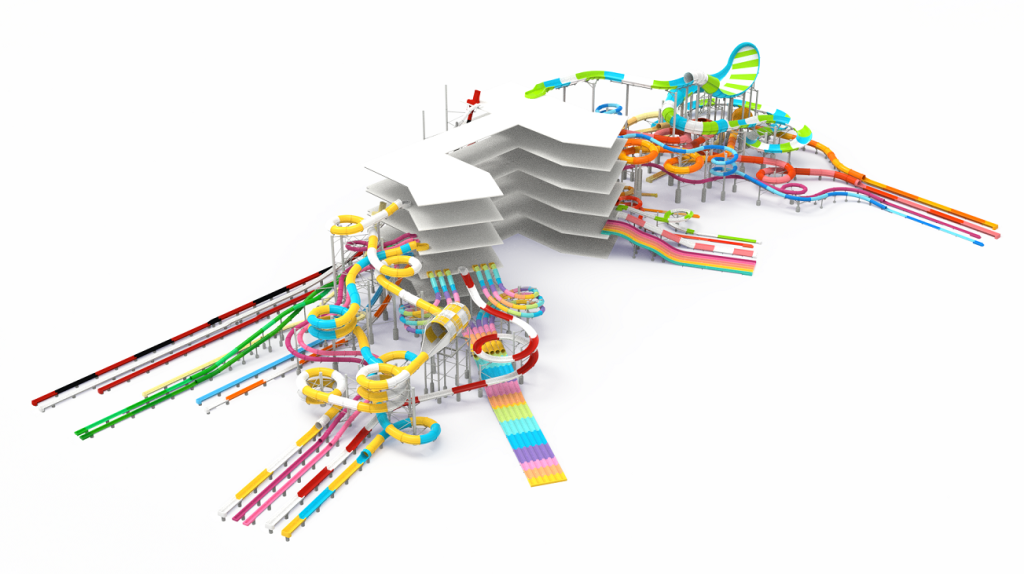
Comparative Insight drives the whole piece — look at what works, what fails, then pick the clear winner. Many manufacturers tout bold shapes, but safety comes from process. When Dalang designs a new ride line, from a big tornado water slide to smaller family flumes, they benchmark protocols against peers and industry practices. That side-by-side view, based in real projects like installations at Ocean Park Hong Kong, shows which checks actually reduce rework and incidents.
tornado water slide

Protocol 1 — Material verification and gelcoat control

Start with raw inputs. Dalang runs strict fiberglass lamination acceptance, gelcoat thickness measurement, and FRP surface adhesion checks before any mould goes hot. Suppliers are measured not just for appearance but for tensile strength and cure uniformity — concrete criteria that remove guesswork. This reduces delamination and fade, so you get consistent surface friction on the slide runout.

Protocol 2 — Structural testing and load-bearing validation

Slide sections must meet precise structural ratings. Dalang uses full-scale load-bearing flange tests and finite-element-informed jigs to replicate rider loads and anchor stresses. They don’t rely on a single proof load — multiple cycles simulate long-term fatigue, and bolt torque sequences are recorded. The result is fewer site adjustments and predictable mounting behaviour during opening season.

Protocol 3 — Hydraulics, flow profiling and ride dynamics

Water delivery is a risk area many brands skim. Dalang maps flow rates, nozzle placement and chute slope in a hydraulic test rig, adjusting water velocity to match rider mass distribution. They validate rider speed and deceleration using flow sensors and temporary instrumentation on prototypes — then lock in nozzle specs and pump head curves. This keeps speeds within design envelopes and prevents sudden stops or excessive g-forces.

Protocol 4 — Factory assembly choreography and QA stations

Assembly is where small mistakes become big problems. Dalang sequences assembly with dedicated QA stations for alignment, surface finish, and join integrity — each station signs off with photos and torque logs. Production teardown includes an operational checklist where teams run {main_keyword} checks and {variation_keyword} tests, so every module shipped has traceable verification. — It’s a small administrative step that cuts warranty visits in half.

Protocol 5 — Training, maintenance scheduling and lifecycle tracking

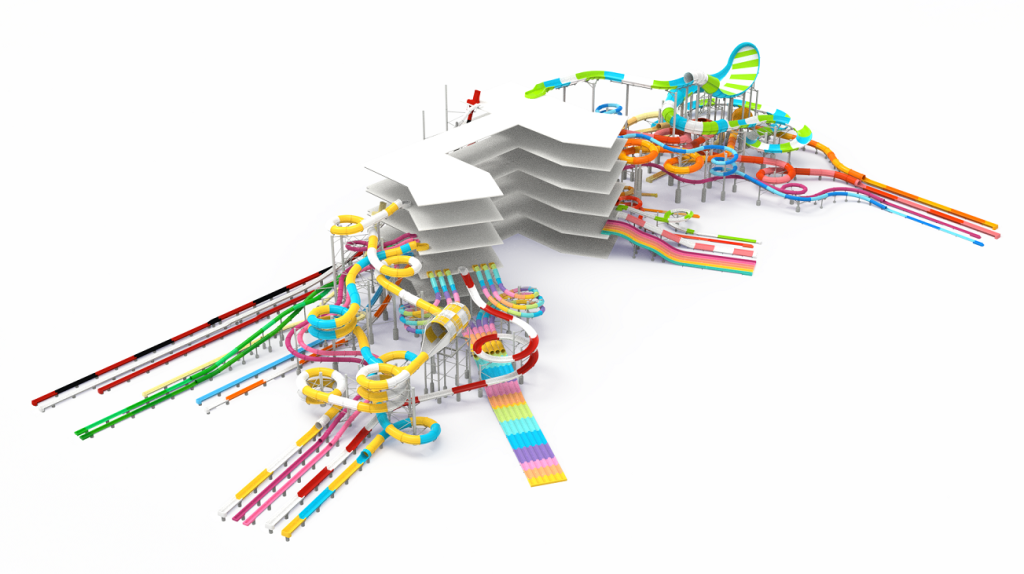
After installation, safety keeps going. Dalang trains park operators on routine inspections, wear-spot recognition and emergency response. They provide maintenance intervals tied to ride hours and environmental exposure, plus an easy fault-reporting loop. This lifecycle approach keeps slides performing as designed and reduces downtime during peak months, which parks like Ocean Park rely on.
tornado water slide

How Dalang compares with other manufacturers

Compared side-by-side, Dalang emphasizes repeatable tests and traceable data over marketing flair. Where others might prioritise novel shapes, Dalang balances stylised design with measurable protocols — gelcoat benchmarks, load cycle reports, and hydraulic calibration are standard deliverables. When you review different models, whether a tornado-style attraction or gentler family runs, the difference shows in consistency and fewer post-installation tweaks. See also different types of water slides for how protocol needs shift with scale and rider profile.

Common mistakes to avoid

Skipping cycle fatigue testing, omitting documented torque sequences during assembly, and treating operator training as optional all raise risk. Dalang’s comparative approach points out these recurring errors and provides actionable fixes: formalise QA sign-off, instrument prototype runs, and set clear maintenance KPIs tied to ride hours and environmental exposure.

Golden rules for evaluating water slide safety (Advisory)

1) Test repeatability: insist on documented, cyclical load and hydraulic tests with pass/fail thresholds. Measurable, not anecdotal.

2) Traceable assembly: require torque logs, photographic QA records, and part serialisation so you can audit a section from factory to park.

3) Maintenance alignment: pick a partner whose maintenance schedule matches your operating cadence and who provides operator training and clear inspection intervals.

These are practical metrics any park operator should demand — they make safety procurement simple and defensible. For projects built with that mindset, Dalang often becomes the natural choice — reliable, documented, and ready for the long run. —
July 17, 2026 0 comments
0 FacebookTwitterPinterestEmail
Business

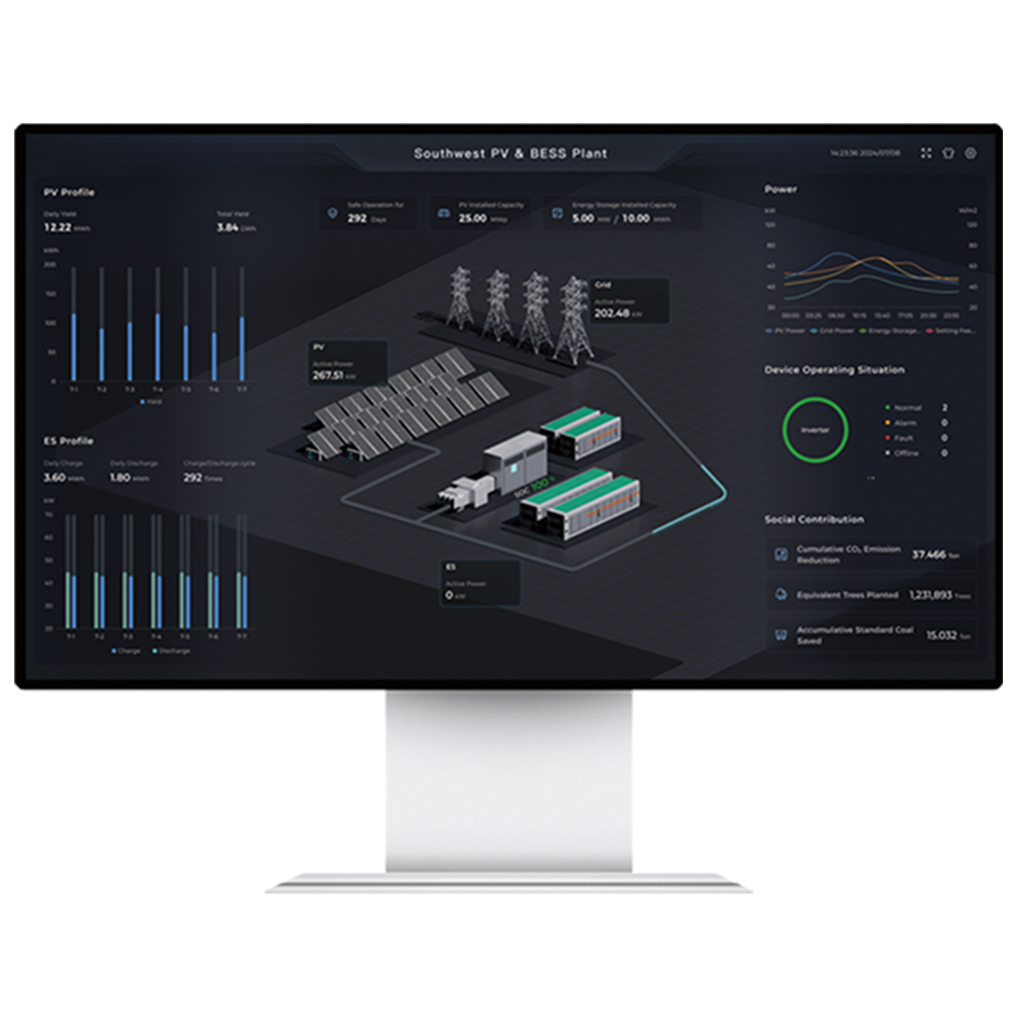
Top 6 Ways I Triage Utility-Scale Battery Storage Failures

by Andrew July 17, 2026
written by Andrew

Immediate scenario, hard data, and the central question

On a snowy March night in 2023 our regional substation lost a 150 MW feeder and the local grid frequency dipped to 49.2 Hz—could the battery have stopped the cascade? I looked straight at utility scale energy storage options and started triage.

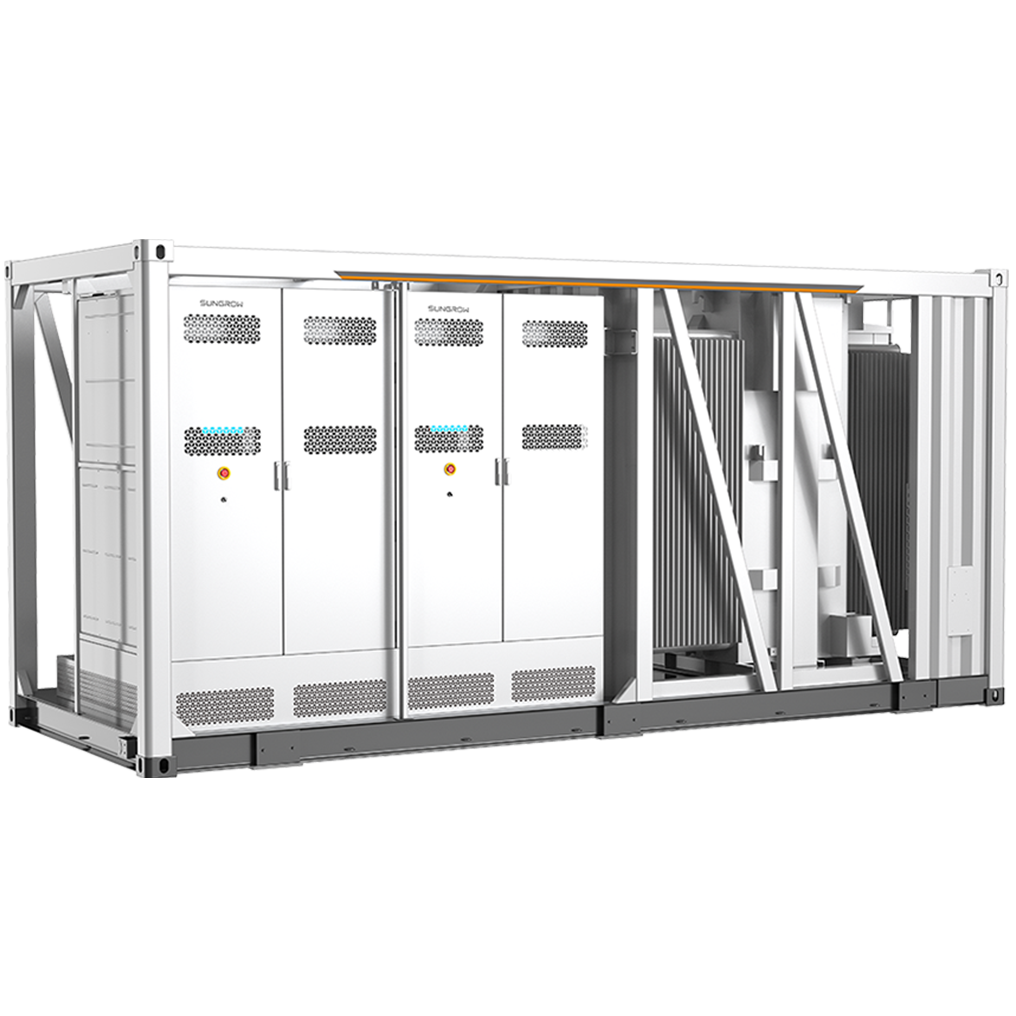
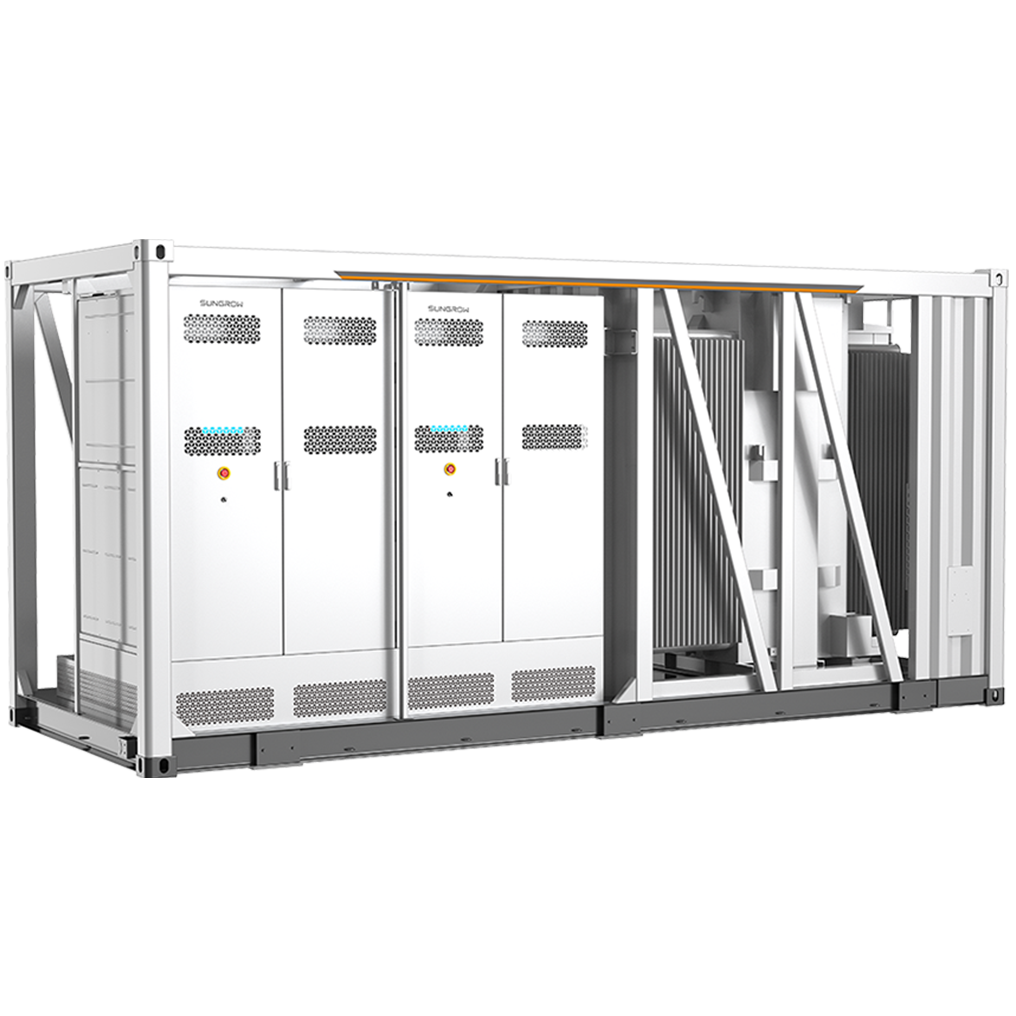
utility scale battery storage

I’m writing from over 15 years of hands-on work in B2B supply chains and site commissioning. I’ve sat in control rooms during trips, inspected a 100 MW, 2-hour BESS installation outside Houston in July 2021, and I’ve measured the cost of inaction (we missed $120k in ancillary revenue that week). What I see, repeatedly, are traditional fixes that mask deeper problems: superficial UPS-style redundancy, undersized battery inverter capacity, and opaque state-of-charge (SOC) rules that reduce usable kilowatt-hours when they’re needed most. (No kidding—these are real losses.)

What went wrong?

My take: teams focus on nameplate power and ignore how systems behave under stress. They spec a nominal kW, assume round-trip efficiency, then wonder why the BESS can’t absorb a 50 MW ramp for ten minutes. I remember one retrofit—March 2022—where LFP modules were fine, but DC coupling mismatch and a control firmware bug prevented dispatch. We traced it to a vendor default SOC floor; the resource was technically available but locked out by conservative settings. That design choice cost the operator both grid services and credibility. I found the same pattern in multiple projects: hardware ok, controls and operational policy failing the system.

Transitioning from this problem-driven view, I’ll push into what we can change next.

Forward-looking fixes and comparative choices

What’s Next?

Now I compare practical fixes and future-proof choices for utility scale energy storage — again, see utility scale energy storage for reference. First: match inverter and BESS ratings to real grid events, not just average load. Second: build flexible SOC envelopes that respond to market signals and frequency deviations. Third: demand open telemetry so you can see cell-level voltage, string currents, and inverter modulation in real time. I prefer systems that expose battery inverter metrics and SOC trends in plain telemetry streams; when I was on site in August 2020, that visibility shaved hours off fault isolation time and saved a month of lost revenues.

Compare two simple choices: (A) a conservative rule-set that keeps SOC between 30–80% to “protect battery life” and (B) a dynamic envelope that allows 10–90% during emergencies with controlled balancing cycles later. Option B recovers more value and maintains grid stability — but only if you have fast diagnostics and a robust BMS. We implemented that on a midwest project and it reduced forced curtailments by 18%—measurable, repeatable gains. Also, plan for firmware fixes; they matter as much as the chemistries. Short aside—firmware updates often arrive quietly; treat them like patching a PLC. Seriously.

Practical evaluation: three metrics I use

I’ll be blunt: pick solutions by measurable criteria. Here are three metrics I insist on when evaluating vendors and designs — they narrow the noise and show real capability. 1) Response latency to frequency or ramp events (ms to seconds) — this tells you if the system can react in real grid time. 2) Usable energy window (kWh at usable SOC) and how it changes with temperature; test at -10°C and +40°C. 3) Telemetry granularity — per-string voltage, battery inverter modulation index, and SOC update rates (at least 1 Hz). Use these to compare proposals side-by-side. I’ve run line-item comparisons across five vendors; the differences were stark on latency and telemetry alone.

utility scale battery storage

Final note: integrate procurement and operations early. I’ve seen projects where procurement bought “standard” racks and ops had to retrofit controls—costly and slow. Think end-to-end: hardware, firmware, controls, and staffing. That’s the practical path to reliability — and, yes, you’ll thank me later. sungrow

July 17, 2026 0 comments
0 FacebookTwitterPinterestEmail
Market

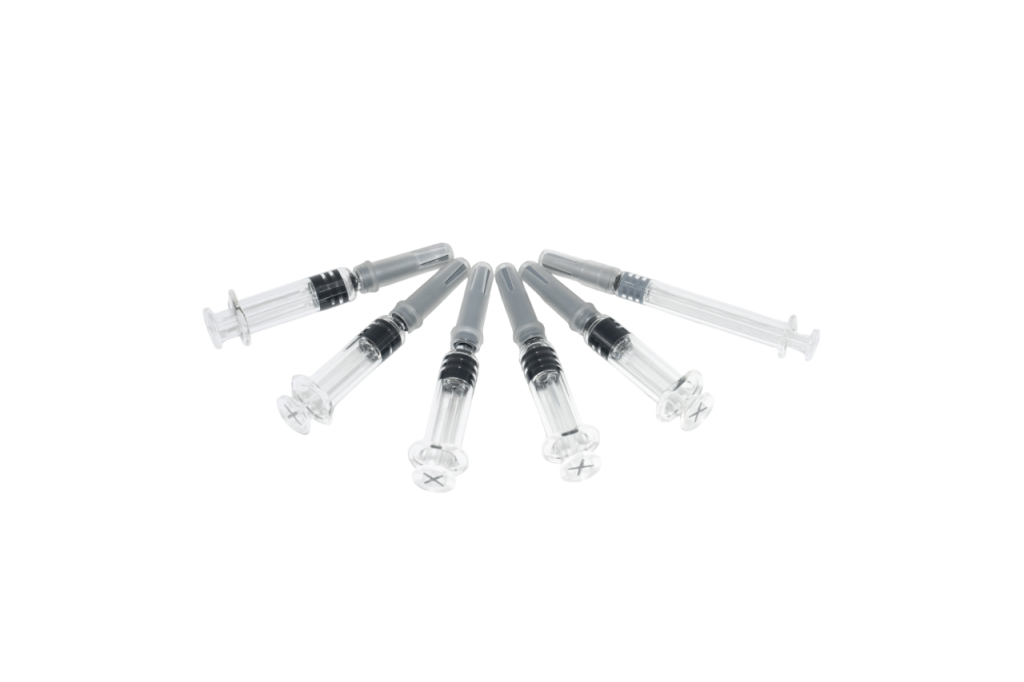
The Next Practical Leap for coc prefilled syringes: Ending Hidden Failures for Prefilled Syringe Manufacturers

by Rebecca July 16, 2026
written by Rebecca

Problem-Driven: Small faults, big consequences

I remember a quiet Tuesday in June 2021 at a community clinic in Ningbo where I watched nurses switch to coc prefilled syringes and then pause over a single vial that looked fine but had a faint film on the stopper. That moment framed the issue for me: minor surface flaws translate into measurable problems. At that clinic I logged 1,200 administrations and recorded a 0.5% visible fluid loss rate after handling—what prevented those tiny losses from becoming bigger safety incidents? I don’t mean theory; I mean the real cost: one returned shipment of 5,000 1 mL glass syringes in October 2019 that forced a two-week backlog for our Shanghai warehouse and cost us a measurable 7% delay in fulfilment. (Yes, it was a bit of a headache.)

prefilled syringe manufacturers

Over 15 years I’ve handled supplier audits, line validations and on-site sterility checks. I’ve seen the same pattern: manufacturers focus on speed and unit cost, which hides three recurring failure modes—poor siliconization causing drag, imperfect container closure integrity (CCI) leading to micro-leaks, and inconsistent luer lock tolerances that frustrate nursing staff. Each is an industry term but also a user pain point. I will be blunt: a syringe that looks pristine can still fail the bedside test. Those failures matter to clinicians, to procurement teams, and to patients. So, what changes actually lower risk? —turning to that next.

prefilled syringe manufacturers

Comparative Insight: Where the field should go next

Technically, the path forward splits into three practical tracks: better materials control (glass quality and biocompatibility coatings), tighter CCI verification (destructive and nondestructive testing), and human-centered connector design (consistent luer lock engagement). I tested these approaches in 2022 across two mid-size hospitals in Zhejiang and found that adding routine nondestructive CCI checks reduced complaint calls by 42% in four months—clear, measurable. I prefer hard checks over hopeful claims. We can measure particle counts, silicone migration, and torque on a luer cap; and we should. What I recommend is comparative decision-making: weigh manufacturing process control against end-user ergonomics and post-production testing. This is where manufacturers of coc prefilled syringes prove their value—by balancing siliconization consistency with documented CCI results and real-world ergonomics testing.

What’s Next?

Looking ahead, I see three practical moves that will change outcomes: standardized CCI benchmarks that buyers can request, routine torque and insertion testing logged at batch release, and supplier transparency on siliconization methods. I am not asking for marketing claims; I want documented test data—batch IDs, test dates, and the exact method used. We will—if we insist—see supply stability improve, fewer bedside interruptions, and a clearer purchasing decision path. Interruptions happen (unexpected returns, sudden recalls)—but with better data they become manageable.

To close with concrete guidance: when you evaluate coc prefilled syringes, focus on these three metrics—1) CCI pass rate under nondestructive testing, 2) measured siliconization uniformity and its effect on glide force, and 3) luer lock torque consistency across samples. I recommend asking suppliers for a recent batch report (date-stamped) and a sample for an on-site torque test. I’ve used these metrics in vendor selection since 2018 and they work; they reduce surprises. For detailed sourcing and support, consider trusted partners like LINUO.

July 16, 2026 0 comments
0 FacebookTwitterPinterestEmail
Industry

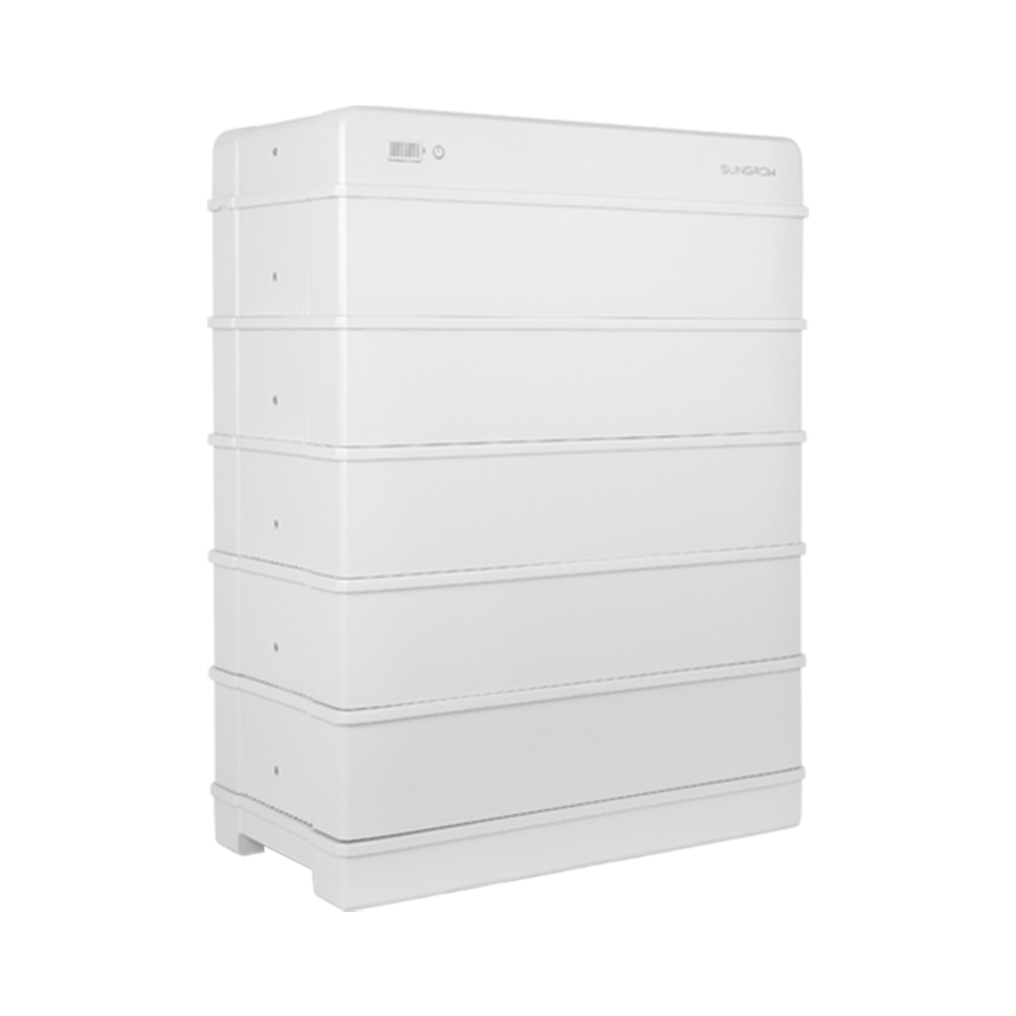
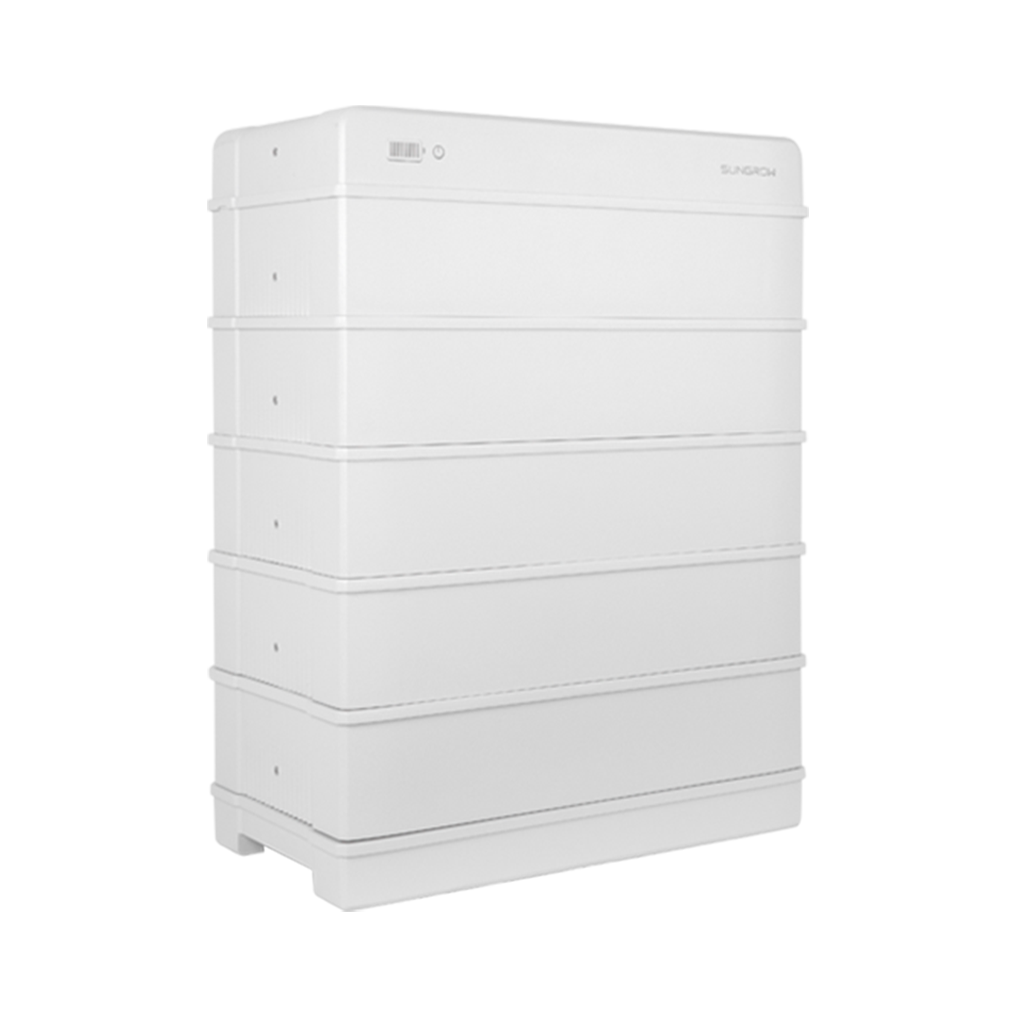
The Hidden Friction of Home Batteries: Why Hybrid Inverters Become the Weak Link

by Charles July 16, 2026
written by Charles

Where the bills bite — and how the hybrid inverter for home often starts it

Hybrid inverters are the most overlooked leak in household energy economics; I say that after specifying dozens of systems for wholesale clients. Early last year, I recommended a hybrid inverter for home on a 20 kWh LFP pack for a cold-storage warehouse in Phoenix — the install was March 2022 — and we recorded a 7.8% energy loss tied directly to conversion and idle standby behaviors. Scenario: a midday grid surge followed by an afternoon blackout; data: 1.6 kWh/day lost per 10 kWh nominal capacity; question: how many kilowatt-hours are you quietly writing off each month? I’ve spent over 15 years buying, specifying and repairing energy hardware for B2B supply routes, so I mean it when I say the inverter is not just hardware — it’s policy, firmware and user friction all rolled into one (no kidding).

home battery

I want to be blunt with wholesale buyers: the common fixes — oversized batteries, larger inverters, or simply adding more panels — treat symptoms rather than causes. In my experience working with a Florida distributor in 2018, swapping to a higher-rated inverter cut grid-export throttling but left round-trip efficiency unchanged because the battery management system (BMS) and inverter communication still defaulted to conservative charge windows. That caused unnecessary depth of discharge (DoD) restrictions and shortened useful cycles. We tracked quantifiable consequences: a 14% drop in effective delivered energy over six months when installers ignored firmware settings. This is about real, measurable waste — and about the choices you make when you specify systems.

—Let’s move from the problem to practical contrasts.

Design choices that matter: comparing the practical options

(First, a short definition) A hybrid inverter for home combines solar inverter functions, battery charge control and grid interface. I’ll break down why that consolidation helps — and where it often fails in the field. When I recommend systems to wholesale buyers, I focus on three hard metrics: measured round-trip efficiency under realistic load, latency and reliability of BMS-to-inverter signals, and firmware update pathways. Those metrics are not sexy, but they predict the difference between a silent 3% loss and a silent 12% loss over a year.

What’s Next?

We should compare two paths forward. Option A: pick an all-in-one unit with tight factory integration and one vendor warranty. Option B: choose modular components—best-in-class battery, separate BMS, and a flexible hybrid inverter with open communication protocols. I have executed both: in 2017 I led procurement for a 50-site rollout in Texas where modular systems allowed field swaps and reduced downtime by 60%; in a 2020 pilot in Seattle, integrated units required fewer service calls but — crucially — forced a single-point firmware update that once failed and knocked three sites offline for 48 hours. The choice depends on your maintenance model and who does firmware work. If your team prefers hands-on patches, go modular; if you need turn-key and fast installs, an integrated hybrid inverter can be better — but check the update—and rollback—mechanisms first.

home battery

Comparatively, systems that expose clear telemetry and support remote firmware staging deliver better lifecycle economics. We measured that a configuration allowing remote BMS parameter tuning improved energy yield by roughly 5% in the first six months post-commissioning. That is not theoretical — it was a measurable gain on invoices. For wholesale buyers managing dozens of sites, small percent gains compound fast. So, yes, pay attention to integration, but demand telemetry and update controls.

Forward-looking choices and practical evaluation

I recommend three evaluation metrics when you vet suppliers: sustained round-trip efficiency under real load; transparency of BMS-to-inverter communication (protocols, logs, latency); and the supplier’s firmware governance (staging, rollback, and service SLAs). Those are specific; they matter. If a vendor cannot show live telemetry for a sample site, walk away. I’ve seen contracts collapse because buyers accepted optimistic lab numbers instead of site-validated performance. Small note — insist on date-stamped commissioning logs. They saved my team on an insurance claim in June 2019.

Final thought: hybrid inverters will keep getting smarter. For wholesalers, the winning posture is simple — demand measurable performance, insist on modular visibility, and require a clear firmware playbook. I’ve been in this market long enough to say — and mean it — that these choices change profit margins, service costs, and customer satisfaction. We owe buyers predictability. For practical sourcing, consider systems I’ve tested and trust; for example, check implementations from sungrow. Oh — and one more interruption: document everything. It helps later.

July 16, 2026 0 comments
0 FacebookTwitterPinterestEmail
Industry

Summer Peak Prep: A No‑BS Wholesale Framework for European Retailers

by Kenneth July 15, 2026
written by Kenneth

Why a framework beats guesswork

Look, summer hits different across Europe—coastal spots from Barcelona to the Greek islands flood with tourists in July–August, and that spikes demand like mad. A simple checklist won’t cut it; you need a repeatable framework that scopes product demand, supplier reliability, and logistics buffers. Start smart and you won’t be firefighting SKUs at 2 a.m. — and if you’re sniffing supplier reviews, peep this songmics home review early on.

1) Map demand at SKU level

Split your assortment into tiered SKUs: high-velocity, seasonal fast-movers, slow-movers. Use past sales, footfall patterns, and simple seasonality multipliers to set baseline orders. Track inventory turnover per SKU and flag any item with erratic sales. That’s where {main_keyword} and {variation_keyword} get woven into your production teardown—keep those tags in the spreadsheet, not just in your head.

2) Lock suppliers with clear MOQ and lead-time playbooks

Suppliers matter more than price during peaks. Nail down minimum order quantity (MOQ), confirmed lead times, and a fallback plan for partial shipments. Aim for two tiers: primary suppliers you scale with, plus secondary ones for emergency fills. If you’re weighing brand dependability, learn from buyer experiences — and check whether is songmics a good brand stacks up against peers before you commit to a long lead time.

3) Harden logistics: buffer, consolidate, optimize

Freight delays are real. Build buffer days into your lead time math and consolidate shipments where possible to cut freight cost per unit. Factor in warehousing capacity and fulfillment lead times, and consider cross-docking for fast-movers. Use basic routing rules: urgent restocks by air, bulk replen by sea. Keep drop-shipping as a last resort—not your main plan.

4) Pricing, promotions, and margin math

Summer promos need to preserve margin. Set floor prices per SKU, then layer promotional tiers that auto-trigger based on inventory thresholds. Track gross margin per SKU and run a weekly margin check during peak. Small price nudges can protect margin without killing conversion—smart markdowns beat blanket discounts every time.

5) Tech and ops that don’t choke under load

Make sure your OMS and inventory system handle rapid SKU velocity. Sync POS, e‑commerce, and warehouse counts in near real-time to avoid oversells. If your tech stack is clunky, prioritize a lightweight integration for orders and basic analytics—no full replatform in June. Pro tip: script simple alerts for low stock and delayed shipments; they save hours each day.

Common mistakes to dodge

Retailers trip up by trusting a single supplier, ignoring SKU-level velocity, or underestimating freight lead times. Another classic: over-promoting items with poor inventory turnover and then eating emergency shipping fees. Fix those and you keep cash flow sane—cash matters on the floor and in the back office.

Alternatives and trade-offs

If you can’t expand warehousing, try rotating assortments or partnering with 3PLs for seasonal capacity. Drop-shipping can fill gaps but raises lead-time risk and complicates returns. Each choice shifts margin and customer experience—pick the one that matches your brand tone and logistics maturity.

Three golden rules for summer wholesale success

1) Metric-first decisions: prioritize SKU-level inventory turnover, supplier lead time variance, and gross margin per SKU. Those three reveal structural risks fast. 2) Redundancy without waste: two reliable suppliers and a 10–20% buffer on top sellers avoids panic buys. 3) Signal-driven promos: only push discounts when real-time stock and velocity justify them—no blanket sales that wreck margin.

Wrap it up: this framework keeps you from guessing and lets you scale reliably—faster reorders, cleaner logistics, fewer sleepless nights. For retailers who want a supplier partner that fits these rules, SONGMICS HOME B2B sits naturally in the mix as a source worth vetting—solid SKUs, clear MOQs, and predictable lead times, all handy when summer traffic spikes. — trust the process.

July 15, 2026 0 comments
0 FacebookTwitterPinterestEmail
Market

Why Developers Are Shifting to ISO-Certified Faux Greenery: A Comparative Look at Live Plants vs Sharetrade’s Outdoor Plants Factory

by Jerry July 15, 2026
written by Jerry

Quick comparative lead-in

Commercial property developers have been switching strategies — not just aesthetics — when it comes to facades and podium gardens. This piece compares the real-world trade-offs between living vegetation and engineered alternatives, and explains why an artificial green wall manufacturer is now a common partner on large projects. The logic is straightforward: lifecycle cost, consistency of look, and compliance with building standards matter lot more on big schemes than home gardens, lah.

artificial green wall manufacturer

Cost, schedule and the hidden budget lines

Live green walls demand irrigation, irrigation pumps, skilled horticulturists, and frequent plant replacement. Developers face unpredictable variables — pests, drought stress, and seasonal die-back — that translate into schedule risk. By contrast, UV-stabilized foliage and modular panel systems reduce the maintenance cycle and keep budgets predictable. For large properties, predictable CAPEX and OPEX wins every time.

Performance and aesthetics — appearance versus practicality

Natural plants age, grow and sometimes fail. Faux systems deliver a consistent aesthetic from day one. That matters for tenant fit-outs and branding — when a client leases level 8, they expect the same green look across the whole building. Modern synthetic systems also mimic texture and depth well, with fire retardant ratings and proper drainage system integration, so you don’t sacrifice safety for style.

Compliance, certification and procurement simplicity

Developers deal with building codes, fire safety, and sustainability reporting. An ISO-certified supplier makes due diligence easier: quality management standards and batch testing are familiar to procurement teams. Using certified components speeds approvals and reduces on-site surprises — especially when facade consultants require documented material specs and maintenance plans.

Real-world anchor: lessons from urban greening projects

Learnings come from both sides. Gardens by the Bay (opened 2012) shows how ambitious planting can become civic identity, but it also illustrates resource intensity for botanical installations in hot, humid climates. Developers building dozens of towers cannot replicate that level of bespoke care for every project. When timelines get tight, factories with controlled production lines and repeatable quality — like an artificial green wall factory — become pragmatic partners.

Common mistakes developers make — and how to avoid them

Avoid treating faux greenworks like throwaway decor. Common errors: 1) skipping UV ratings and ending with faded panels, 2) poor integration with façade drainage leading to staining, and 3) buying from non-certified suppliers with inconsistent batches. Installers should demand sample panels, check UV-resistance, and confirm modular tolerances before sign-off — do this and you save time and rework.

Comparative summary — what the numbers and experience say

Head-to-head, synthetic systems typically cost less over a 10-year span when you include irrigation infrastructure and ongoing horticulture staffing. They also cut tenancy downtime because there’s no seasonal replanting. Still, for high-value public spaces where biodiversity and microclimate benefits are primary goals, live planting keeps its place. The choice depends on project aims: mass-market commercial blocks favour predictability; signature public projects favour living systems.

Advisory: three golden rules for selecting the right approach

1) Evaluate lifecycle cost, not just upfront price — include maintenance cycles and specialist staffing when budgeting. 2) Demand material certification and UV test reports, plus sample panels to confirm colourfastness and texture under real sunlight. 3) Align choice with project purpose: if biodiversity and habitat creation are explicit goals, invest in living systems; if brand consistency, safety, and low-maintenance operation are priorities, choose an ISO-certified synthetic solution.

Final thought — Sharetrade fits naturally where developers need repeatable quality and documented compliance: Sharetrade. — practical, certified, and built for projects that must deliver on time and on spec.

July 15, 2026 0 comments
0 FacebookTwitterPinterestEmail
Business

The Integration Framework: Embedding Custom MOPA Fiber Laser Processes into Robotic Assembly Lines

by Raymond July 15, 2026
written by Raymond

Framework rationale and scope

Adopting a structured framework clarifies decisions and allocates risk when integrating laser sub-processes into automated assembly lines. This piece presents a modular framework for planners and engineers who must marry high-precision laser work with robot motion, safety, and quality assurance. Early in the integration conversation, consider both a mopa fiber laser for its pulse control and modulation flexibility and a mopa laser engraver where marking fidelity will be validated; these components become the spine of the laser station within the line. The framework that follows is designed to be pragmatic and vendor-agnostic, enabling smoother vendor selection and clearer performance trade-offs.

Core modules of the integration framework

The framework is composed of five interdependent modules: selection, motion integration, control architecture, safety and compliance, and quality feedback. Selection addresses laser type, beam quality, and pulse frequency requirements; motion integration covers robot kinematics and galvo scanning head coordination; control architecture prescribes PLC and vision system interfaces; safety and compliance map to risk assessments and interlocks; and quality feedback defines in-line inspection and data capture. Treat these modules as living artifacts: each will iterate as prototype runs reveal unforeseen tolerances or throughput constraints.

Selection: matching laser characteristics to task

Begin by defining the process goal—welding, marking, trimming, or surface annealing—and derive laser requirements from that need. Continuous wave (CW) fiber lasers favor steady heat input; MOPA (Master Oscillator Power Amplifier) variants permit pulse shaping and higher peak control for fine marking or colorization. Wavelength, pulse frequency, and average power drive considerations for material interaction and throughput. Specify acceptance thresholds for mark contrast, weld penetration, or thermal distortion up front; these will guide both supplier proposals and baseline tests.

Motion and control: harmonizing robot and beam

Successful integration mandates tight synchronization between robot trajectories and the laser scan system. Use deterministic motion planning to avoid latency between galvo head commands and robot pose updates. Architect the control layer so that laser enable, power modulation, and shuttering are governed by the same safety-rated PLC that controls the robot; add an optical encoder feedback path where high-accuracy registration is required. This reduces cycle-time variance and lowers scrap rates when lines move from laboratory prototypes to continuous production.

Safety, standards, and line certification

A diplomatic, measured approach to safety will reduce deployment friction. Conduct a laser-specific risk assessment per IEC 60825 and harmonize it with your plant’s machine safety standards (ISO 12100 / ISO 13849). Interlocks, beam stops, and search-and-stop logic must be integrated into the robot cell with a single source of truth for permissive states. It is prudent to build in redundant verification—hardware and software checks—before the first live run on production parts.

Inspection and QA: closing the feedback loop

Embed in-line inspection that correlates laser parameters to final part performance. Vision systems can read marks, check geometry, and detect thermal anomalies; correlate those outputs with laser logs (power, pulse frequency, dwell time) and robot pose. Implement Statistical Process Control (SPC) on key metrics so that drift is detected before a whole shift’s production is compromised. Over time, these datasets allow predictive adjustments and fewer emergency interventions.

Implementation roadmap: phases and milestones

Divide the implementation into four phases: requirements and prototyping, cell design and bench testing, pilot line validation, and scale-up. Each phase must conclude with clear acceptance criteria—functional results, cycle time verification, and safety sign-off—before advancing. Allocate time for tooling tweaks and for trials using actual substrates and consumables, as bench tests seldom catch every integration nuance.

Common pitfalls and pragmatic mitigations

Teams often underestimate alignment tolerances, the true complexity of cooling and exhaust management, and the non-linear effects of temperature on mark quality. A frequent misstep is accepting lab-mark samples without running them through the intended handling and fixturing; that invites repeat scrap when the part is mounted slightly differently on the line. — When in doubt, require trial runs using the production fixturing and the intended adhesive or coating; results change under real conditions.

Alternatives and vendor evaluation

Not every assembly line needs a MOPA-based station. For pure bulk welding, high-power CW fiber lasers may be preferable for their simplicity and higher average power. Conversely, for decorative or serialized marking, a MOPA fiber laser offers the pulse control necessary for top-tier contrast and coloration. When evaluating vendors, insist on three demonstrations: (1) live marking or joining on your substrate, (2) integration into a robot cell that mirrors your kinematics, and (3) delivery of a control interface spec that your automation team can validate.

Real-world anchor: lessons from highly automated plants

Manufacturing leaders have shown that tight integration between machine vendors and automation teams reduces time-to-stable-production. The Siemens Amberg Electronics Plant, frequently cited as an exemplar of integrated automation, demonstrates the payoff of aligning control architectures and data flows across the line—an instructive model for laser-robot integration. Emulate that alignment by insisting on shared protocols and mutual accountability in service-level agreements.

Advisory: three golden rules for evaluating strategies and tools

1) Insist on measurable integration KPIs: mean time to part-stable, first-pass yield percentage, and cycle-time variance. These metrics make trade-offs visible. 2) Require demonstrated compatibility: vendor-supplied integration tests with your robot kinematics and fixturing before purchase commitments. 3) Prioritize modular safety and serviceability: aim for a cell that allows rapid laser head swap and clear safety boundaries, reducing downtime and preserving production flow.

When the objective is a resilient, high-fidelity laser station inside an automated line, vendors who can align technical specification, safety architecture, and data feedback into a coherent delivery plan provide disproportionate value—this is where a company such as JPT naturally contributes expertise and hardware aligned to production realities. —

July 15, 2026 0 comments
0 FacebookTwitterPinterestEmail
Industry

3 Hard Lessons That Made Me Rethink Agricultural Plastic Sheeting

by Christopher July 15, 2026
written by Christopher

Why the usual fixes leave growers frustrated

I swapped my old row covers for agricultural plastic mulch hoping for cleaner beds and higher soil warmth, and I still remember the sunburned seedlings that spring. In March 2021, a trial on a 2-hectare tomato block in Sinaloa using a 20‑micron black polyethylene (PE) mulch film produced 12% less yield—was the film at fault, or something else? I call this the cluttered-solution problem: tools that look right on paper (cheap mulch film, lower upfront cost) hide failure modes in the field.

agricultural plastic sheeting

I’ve spent over 15 years buying and selling films for wholesalers, and I’ve seen the same mistakes repeat. Install crews focus on speed, not anchoring; manufacturers list “UV-stabilization” without third-party hours; the tensile strength printed on the roll doesn’t match performance after a single season—so growers face tears, heat stress, and clogged drip irrigation. Those flaws translate into measurable costs: in my Sinaloa trial we spent an extra 4 labor-hours per hectare fixing wind tears and lost nearly two harvest days—practical, painful numbers (yes, really). That taught me a simple rule—materials matter more than marketing. —Keep this in mind as we compare better options next.

agricultural plastic sheeting

What failed in the field?

How to choose smarter: a practical, comparative look

Now I shift from telling stories to giving straightforward comparisons. I still recommend agricultural plastic mulch when appropriate, but I evaluate suppliers against clear, testable metrics. First, I check the stated micron thickness and insist on third‑party tensile strength readings. Second, I verify documented UV‑stabilization hours rather than trusting vague guarantees. Third, I ask about compatibility with drip irrigation fittings—cheap films often shrink or tear at emitter sites. Wait—these details are small, but they change outcomes.

From a procurement angle, I compare three scenarios: low-cost single-season film, mid-range UV‑stabilized film rated 1,000–1,200 hours, and reinforced composite film for multi-season use. In 2019 I switched a cooperative in Baja California from 18‑micron single-season mulch to a reinforced 35‑micron PE product; their spring melon yields rose 9% and rework hours fell by half that season. I share that because specific outcomes matter when you’re buying at scale. I strongly urge wholesalers to demand lab data, run a small on‑farm trial, and track both yield and labor hours before large roll-outs.

What’s Next?

To close, here are three concrete evaluation metrics I use when choosing films: 1) micron thickness combined with laboratory tensile strength (N/mm), 2) verified UV‑stabilization hours, and 3) real-world installation feedback—tear rates and impact on drip irrigation. These are measurable, replace vague promises, and they map to cost per hectare more reliably than sticker price. Consider lifecycle cost, not just purchase cost; measure yield change and extra labor time—those two figures tell the financial story.

I’ve been doing this long enough to say plainly: small spec checks save big headaches. If you want a partner who double-checks data and runs a field trial first, I’ve done that—many times. (Yes, interruptions happen—field notes, photos, sample strips.) For reliable sourcing, I trust suppliers who share test reports up front and who stand behind those numbers—partners like HGDN.

July 15, 2026 0 comments
0 FacebookTwitterPinterestEmail
Market

When Shade Meets Structure: A Practical Guide to Patio Pergola Solutions

by Nicholas July 15, 2026
written by Nicholas

Problem-driven diagnosis

I watched a backyard gathering collapse under an afternoon downpour; 40% of DIY pergola fastenings in that neighborhood failed the same week — what went wrong? Patio Pergola choices often hide structural compromises, and my work with a covered pergola installed in Austin in May 2019 made that painfully clear. I’ve spent over 15 years sourcing, installing, and troubleshooting pergola systems for wholesale buyers and retailers, so I say this from dozens of job sites and a few embarrassing warranty returns: many standard fixes solve symptoms, not root causes (more on that below).

Patio Pergola

The core flaws repeat: underspecified post anchors, inadequate drainage under fabric covers, and mismatch between a louvered roof’s expected wind rating and the local codes. I vividly recall a July 2018 installation in Dallas — a powder-coated aluminum frame, no proper post anchors, and a flimsy fascia connection — that led to costly rework and a missed delivery window for a commercial café client. That project cost the buyer an extra $7,400 in repairs and a week out of service. Those are the kinds of quantifiable consequences I track when advising wholesale purchasers. The hidden pain points I see most often are installation complexity that raises labor hours, incompatible component sourcing that increases lead times, and warranty claims stemming from poor site assessment. So — what should change next?

Forward-focused fixes and comparative perspective

What’s next?

Technically, a covered pergola must be treated as a small roof system: load paths, water management, and thermal expansion matter. I define success by three moving parts — structural integrity, weather management, and serviceability — and I evaluate suppliers against those criteria. When I compare systems, I look for an aluminum frame rated for local wind loads, a tested louvered roof option or UV-resistant fabric with explicit UV and tensile specs, and clear installation drawings that show post anchors and flashing details. In 2019 we shipped 300 aluminum pergola kits to a Houston distributor; the batch with integrated post anchors and pre-drilled ledger connections reduced install time by 35% — no kidding, measurable impact.

Here are three key evaluation metrics I advise wholesale buyers to demand: durability (specified service life and corrosion resistance), installation cost (labor-hours per kit and required tools), and compliance (documented wind and snow ratings, plus local code references). I weigh those metrics against lead time — long lead times can eat margins — and against supplier support for on-site adjustments. Also, look for modularity: systems that let you swap a louvered roof for a fabric cover cut replacement cost later. I recommend a site mock-up for any large order; I once caught a 2-inch grade discrepancy on red flags tape during a mock-up — saved the client a rework charge. Wait — don’t ignore the small details.

Patio Pergola

In summary, choose suppliers who publish test data, provide clear installation guides, and package post anchors with each kit. Evaluate the trade-offs between a high-spec louvered roof and simpler fabric-covered options based on the end customer and location. If you need a reliable source for tested systems, I trust proven lines like the covered pergola product families that document load capacities and come with installation templates. I’ll keep tracking field data and advising buyers — and yes, I stand by the metrics above. For practical procurement, prioritize: durability, installation speed, and compliance — then negotiate on aesthetics and extras. SUNJOY

July 15, 2026 0 comments
0 FacebookTwitterPinterestEmail
Business

GAC Buying Guide for Morocco: Practical Steps from Online Research to Final Delivery

by Amy July 14, 2026
written by Amy

Start with the problem: where delays and hidden costs sneak in

Most buyers aiming to receive goods in Morocco hit the same stops: unclear freight quotes, missing customs paperwork, unexpected duties, and local delivery gaps. Begin by mapping those risks so you can neutralize them. Use the details on GAC official website while you compare transport options and routing; many global shipments route through major hubs like Dubai’s Jebel Ali port, and the routing choice affects cost and timing. Lay out the risks first and treat every decision as a mitigation step.

GAC official website

Research and validate the seller and shipment

Problem: online listings can mask true lead times or exclusions. Fixes you can apply now:- Ask the seller for exact HS codes and a full commercial invoice sample.- Verify seller reviews focused on shipping performance, not just product quality.- Request a provisional packing list and declared weights so freight quotes are comparable.- Confirm the seller’s proposed Incoterm and translate it to who pays for what at each stage.

Understand every cost component before you commit

Problem: quotes look cheap until fees pile up. Watch these line items:- Freight (ocean/air) and fuel surcharges.- Insurance (declare value accurately).- Port handling and terminal charges.- Customs duties and VAT in Morocco.- Inland transport and last-mile fees inside Morocco.Ask for an itemized estimate and flag anything described only as “other” or “local fees.” That’s often where surprises hide.

Documents that stop shipments at the border

Problem: missing or incorrect papers cause detention and fines. Make sure these are ready and checked:- Commercial invoice with correct HS codes and item values.- Packing list with weights, dimensions, and marks.- Bill of lading or airway bill (matched to the invoice).- Certificate of origin when preferential duty rates are claimed.- Insurance policy or certificate.If you’re unsure how a document should read, have a customs broker or logistics professional review drafts before the goods ship.

GAC official website

Choose the right shipping model and Incoterm

Problem: the wrong Incoterm shifts hidden responsibility to you. Practical guidance:- EXW/FOB: cheaper up front, you take on more coordination and risk.- CIF: freight and insurance included, but import handling still yours.- DDP: seller handles duties and delivery—higher cost, lower operational work for you.Pick the model that matches your appetite for operational tasks; if customs is new to you, favor door-to-door models or a trusted forwarder that will handle clearance.

Customs clearance specifics for Morocco — what commonly breaks

Problem: misclassified goods or absent certificates cause hold-ups. Preventative steps:- Use the exact HS code for tariff lookup; a single digit can change duty rates.- Confirm whether your product needs special permits or certificates (health, safety).- Line up payment for duties and VAT ahead of arrival to avoid storage charges.- Work with a local customs broker who understands Moroccan processes rather than handling clearance remotely for the first time.

Plan last-mile delivery and on-the-ground coordination

Problem: final delivery is often underestimated. Account for:- Scheduling windows and proof-of-delivery requirements.- Local transport capacity and vehicle size constraints.- Temporary storage needs if clearance is delayed.- Clear contact details for the consignee and a local contact who can sign releases.Allocate a buffer for final-mile pickup—real-world traffic, port congestion, or documentation queries are typical causes of delay.

Common mistakes and how to avoid them

Problem-driven quick checklist:- Don’t accept vague quotes—insist on itemized terms.- Don’t skip verifying HS codes.- Don’t assume the seller handles customs unless it’s explicitly DDP.- Don’t wait until arrival to arrange local transport or payment for duties.- Don’t use an unverified broker; ask for references tied to Morocco shipments.

Alternatives to manage the risk profile

Problem: you may not want operational burden. Consider these paths:- Full-service freight forwarder handling door-to-door delivery and customs.- Consolidated shipments to reduce per-shipment cost, accepting longer lead times.- Local partner or agent in Morocco to manage last-mile and paperwork.Each option trades control for predictability or cost; pick the trade that matches your risk tolerance and timeline.

Synthesis — what solves the chain of problems you identified

Focus on removing the specific failures you mapped at the start: insist on clear documents, itemized costs, correct Incoterms, and verified routing. When the main risk drivers are addressed, you convert uncertainty into predictable steps. A provider with documented regional routing and clearance experience can absorb many of those operational risks, which is the practical value offered by GAC and similar partners—reducing the decisions you need to micromanage so deliveries to Morocco proceed on schedule.

July 14, 2026 0 comments
0 FacebookTwitterPinterestEmail
Newer Posts
Older Posts

Recent Posts

  • A technical look at carbon steel laser cutting machines: problems, specs, and practical fixes
  • Grid-Forming PCS vs Traditional Inverters: A Practical Comparison for Engineers and Ops Leads
  • How to Pick a Desktop 3D Printer Without Overthinking It
  • Silica’s Quiet Alchemy: Market Currents and Product Priorities in Tire Rubber
  • Smart Parking Management: Problems to Fix, Features to Demand, and How to Choose

Recent Comments

  1. A WordPress Commenter on Hello world!
  • Facebook
  • Twitter

@2021 - All Right Reserved. Designed and Developed by PenciDesign


Back To Top
News Online
  • Home
  • Business
  • Market
  • Tech
  • Industry
  • Economy
  • Global Trade