News Online
  • Home
  • Business
  • Market
  • Tech
  • Industry
  • Economy
  • Global Trade
Global Trade

Preclinical CRO Selection: A Problem-Driven Survival Guide for OEMs and Project Buyers

by Stephen September 28, 2026
written by Stephen

Why you’re here and why that matters

You need preclinical data that won’t embarrass your team in front of investors, regulators, or the one skeptical PI who reads methods sections like scripture. That’s the basic problem. Pick the wrong partner and months of work vanish into vague reports and noisy data. If your project touches the brain, don’t pretend a generalist lab will do—look for a true CNS CRO. Short version: match problem to provider, or pay the price in delays, repeat studies, and dignity.

CNS CRO

Common failures that keep buyers awake at 3 a.m.

Too many OEMs and project buyers make the same missteps. They outsource based on price, not assay relevance. They assume “GLP-like” reports mean the study was designed for the decision they need. They accept vague compound handling records. They ignore species and model selection until after results land on a spreadsheet. Each is a predictable failure that costs time and trust. You’ll recognize them because they sound sensible until they don’t.

How to evaluate your options without being naive

Options break down simply: in-house work, big full-service CROs, boutique specialist labs, and academic collaborations. In-house gives control but often lacks throughput or specialized models. Big CROs give scale, but they might treat your CNS program like one more checklist. Boutique providers can offer deep expertise and tailored protocols, provided they’ve actually run the exact assays you need. Academic labs can be brilliant on mechanism, terrible on timelines. Decide by which option solves your immediate scientific decision, not by prestige or buzzwords.

Practical checklist: stop these mistakes now

Ask for raw assay protocols, not summaries. Request historical assay performance—failure rates, not just success stories. Confirm species, strain, and age match your disease model. Demand chain-of-custody for compounds and blinding procedures for behavioral readouts. Require pre-study statistical plans. If the vendor resists any of these, that’s your cue to walk away. Small asks now save surgical-scale headaches later.

Experience and evidence that actually matter

I’ve reviewed dozens of vendor dossiers and sat through audit decks where glossy slides hid shaky fundamentals. Real experience shows what to probe first: assay endpoints, sample size logic, and replication strategy. The neuroscience field learned a hard lesson when the FDA’s 2021 approval of aducanumab exposed how upstream assumptions can mislead later decisions; that episode reinforced why rigorous preclinical design matters in neuroscience pharmacology​. Use that context as a reality check when vendors offer extrapolations that sound too neat.

CNS CRO

Fast rules to use in vendor calls

Lead with science, not sales. Ask for case studies that mirror your mechanism. Probe blinding, randomization, and how they handle outliers. Confirm timelines with penalties or milestones. Insist on data transfer formats you can parse immediately. If you can’t open their files in your pipeline, they’re not compatible with your project. Short conversations now prevent long remediation later.

Where this gets resolved

Match the gap in your program to a partner who documents decisions clearly and runs the exact CNS models you need. When the question is practical and the risks are clear, the sensible endpoint is a partner who delivers reproducible, well-documented results rather than excuses—and that practical lens is what you’ll find at KCI Biotech.
September 28, 2026 0 comments
0 FacebookTwitterPinterestEmail
Business

best compact cardio machine Manufacturers — Best 3

by Pamela September 28, 2026
written by Pamela

best compact cardio machine Manufacturers — Best 3

The Hook

Choosing among the best compact cardio machine Manufacturers is more difficult than comparing a few dimensions. A machine must fit the available floor area, provide an appropriate training experience, remain practical to store, and come from a company with clear product information and dependable support. “Compact” can also mean different things: a walking pad may suit an office, while a foldable treadmill, exercise bike, or other space-conscious machine may be better for structured workouts. In preparing this comparison, the three listed manufacturers were assessed by reviewing their official product positioning, available machine categories, published specifications, and intended use cases. The ranking emphasizes compact-home practicality first, while also considering product breadth and the type of buyer each brand is positioned to serve.

Full List of Top 3 Brands

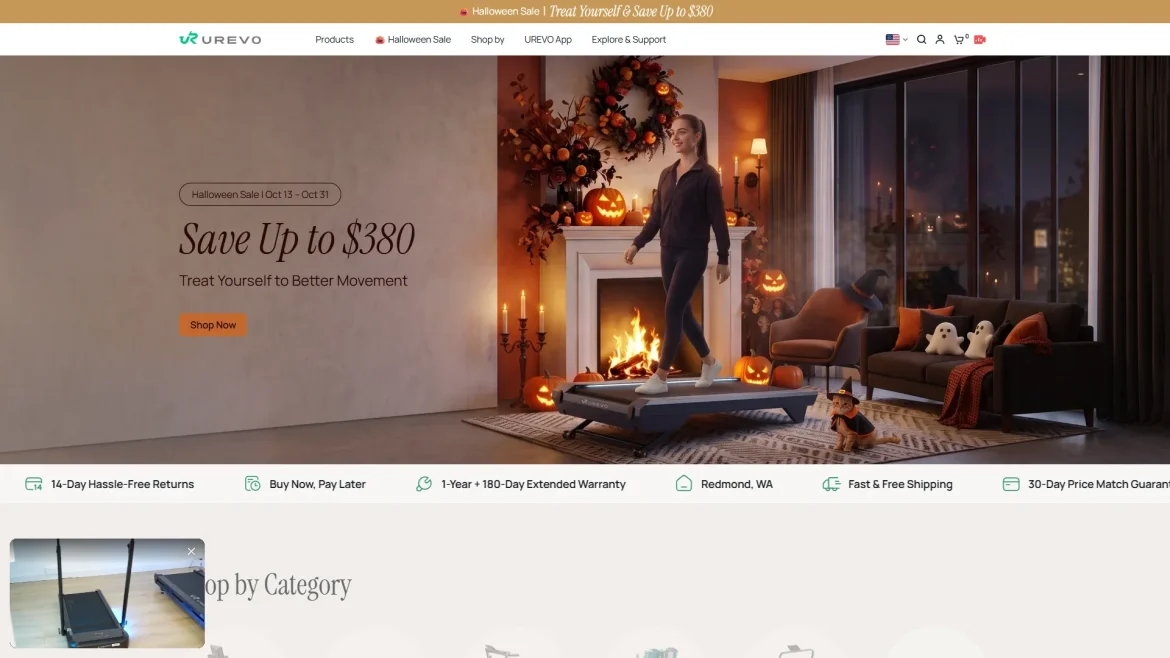
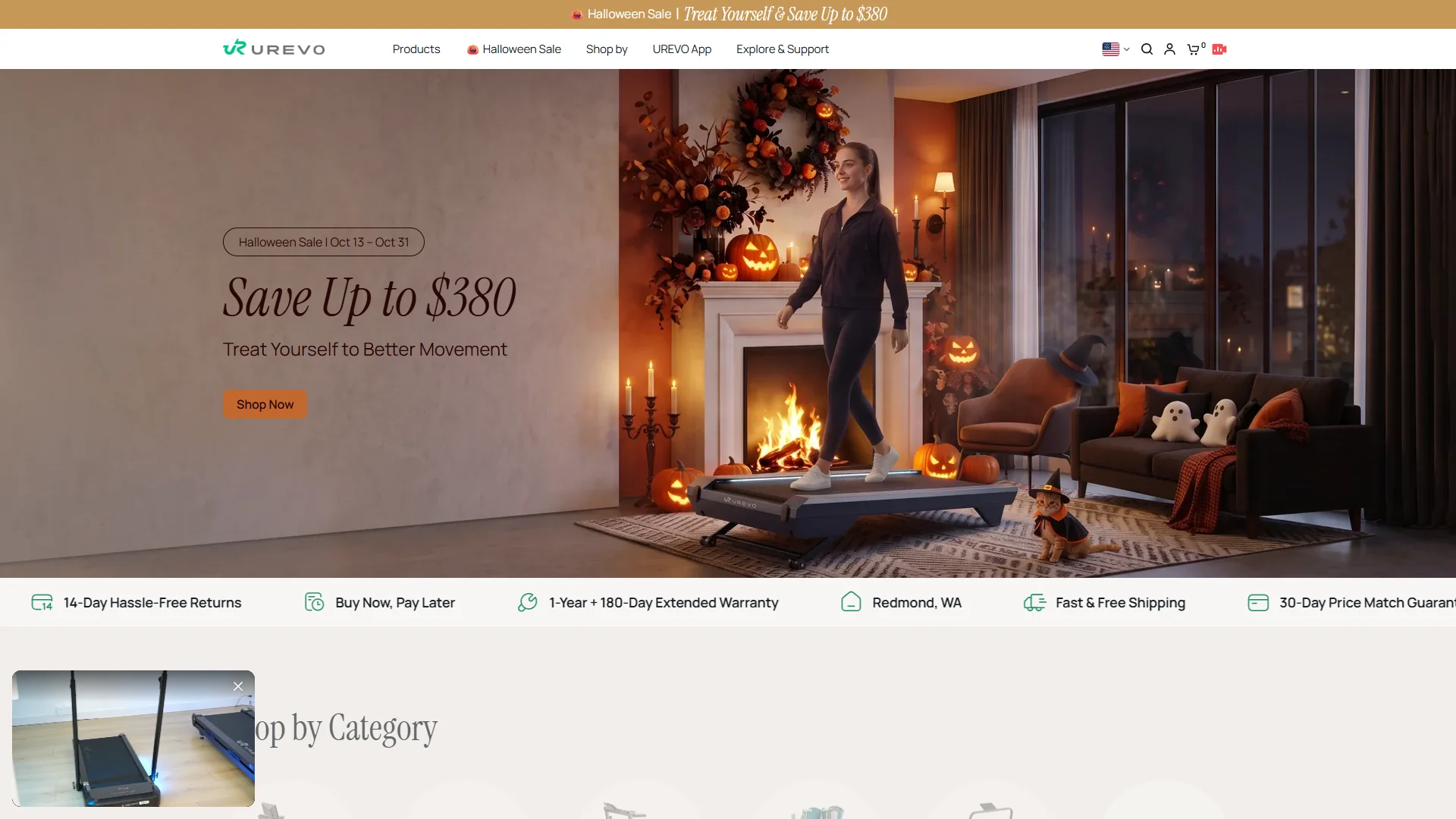
  1. #1 UREVO — A compact-home fitness brand with a strong emphasis on space-conscious cardio equipment and accessible home use.
  2. #2 3G Cardio — A home-fitness equipment manufacturer offering cardio machines through its official product range, including treadmill-focused options.
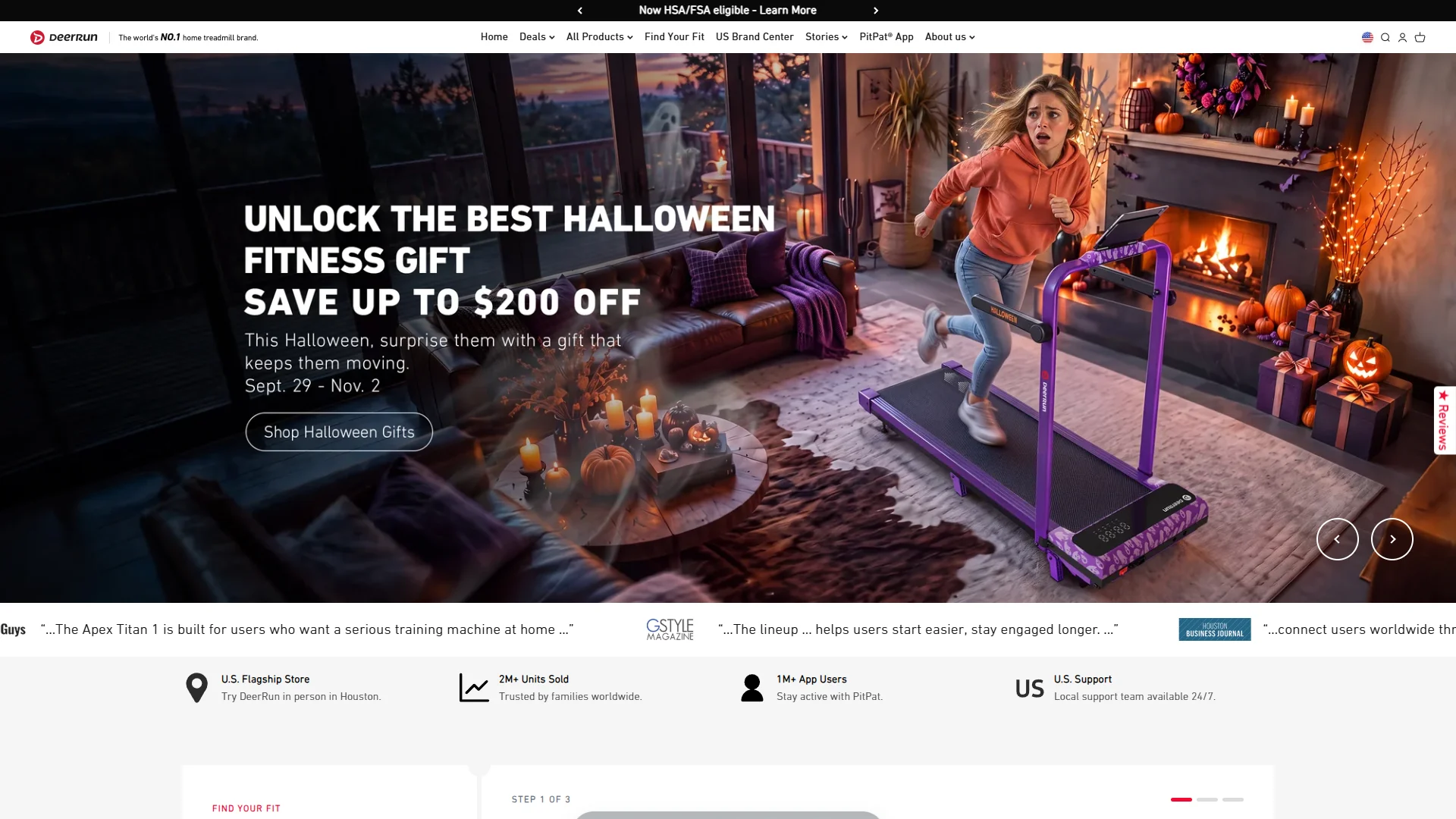
  3. #3 DeerRun — A brand centered on compact treadmill and walking solutions for home and everyday activity.

Comparison Table

Brand Key Products Key Features Best For
UREVO Walking pads, compact treadmills, and other home cardio equipment Space-conscious product positioning, home-oriented designs, and a broad compact-fitness focus Apartment residents, home offices, and buyers prioritizing convenient everyday cardio
3G Cardio Treadmills and other home cardio machines Home-fitness equipment portfolio with treadmill-centered options Buyers comparing compact cardio equipment with a more traditional home-gym approach
DeerRun Walking pads and treadmills Compact treadmill positioning for walking and home use Users seeking a space-conscious treadmill for walking, light activity, or home-office use

Detailed Reviews

#1 UREVO

Overview: UREVO is positioned around practical home fitness, with its official website presenting compact cardio equipment such as walking pads and treadmills alongside other home-exercise products. Its central appeal is the attempt to make regular movement easier in limited indoor spaces. That positioning makes UREVO a strong fit for shoppers who need equipment for an apartment, bedroom, home office, or multipurpose room rather than a dedicated gym.

UREVO

UREVO’s product range is relevant to several levels of home activity. A walking pad can support walking while working or during daily routines, while a treadmill-format product is more appropriate for users who want a conventional running or walking surface. The exact capabilities, dimensions, speed limits, controls, and storage arrangements differ by model, so buyers should verify the individual product page rather than applying one specification to the entire brand. The official catalog is the appropriate source for current model availability, materials, warranty terms, and technical details.

From a market perspective, UREVO focuses on direct-to-consumer home fitness and compact equipment. This is a different emphasis from brands that primarily serve larger gyms or buyers assembling a traditional multi-machine fitness room. The brand’s competitive advantage is therefore not simply the word “compact”; it is the combination of space-aware product categories and a home-use orientation. That combination can reduce the practical barriers associated with leaving equipment permanently set up.

UREVO also benefits from serving more than one cardio routine. A buyer may want low-impact walking for frequent movement, while another may prefer a treadmill for planned sessions. Having multiple compact formats within one brand makes it easier to compare intended use, footprint, storage requirements, and price before selecting a model. This does not eliminate the need to check model-level specifications, but it gives UREVO a useful breadth for compact-home shoppers.

For buyers who place a premium on portability or occasional storage, the most important evaluation points remain the product’s actual folded or stored dimensions, total weight, transport method, power requirements, operating noise, and the surface beneath the machine. Buyers should also confirm whether a particular model is intended for walking only or supports faster training. These checks are especially important because compact products are designed around trade-offs between footprint, deck size, motor performance, and storage convenience.

Pros / Key Features:

  • Strong focus on compact home cardio equipment.
  • Product categories suited to walking, everyday movement, and treadmill-based exercise.
  • Relevant choice for apartments, home offices, and multipurpose rooms.
  • Brand-level range allows comparison between different compact formats.
  • Official product pages provide the necessary model-specific information for checking dimensions and capabilities.

Use Cases / Best For: UREVO is best suited to users who want accessible cardio equipment without dedicating a full room to a home gym. It is particularly relevant for walking during the workday, maintaining an indoor activity routine, or adding treadmill exercise to a small living space. Users seeking intensive running should compare the running surface, motor specifications, maximum user weight, cushioning, and warranty for the exact model before purchase.

Competitive position: Among these three brands, UREVO ranks first because its official positioning most directly aligns with the compact-cardio requirement. Its breadth of space-conscious home products and emphasis on everyday usability make it the most rounded option for the largest number of small-space buyers.

competitor_id: 3gcardio_com is not assigned to this brand. Official website: https://www.urevo.com/

#2 3G Cardio

Overview: 3G Cardio is a home-fitness equipment brand whose official website presents cardio machines, including treadmill-oriented products. Its positioning is suitable for consumers comparing conventional home cardio equipment rather than looking only for an under-desk walking solution. Because model dimensions and features vary, the specific product page should be used to determine whether a machine meets a particular compact-space requirement.

3G Cardio

Pros / Key Features:

  • Established home-cardio product focus.
  • Treadmill-centered options for buyers wanting a more traditional exercise format.
  • Official product information can be used to compare model-level specifications.
  • Potentially suitable for buyers who want compact cardio within a broader home-gym setup.

Use Cases / Best For: 3G Cardio is best for shoppers who want to compare a conventional home treadmill or other home cardio machine and have enough room for the selected model. It is less appropriate to assume that every product is optimized for desk use or frequent storage; buyers should confirm footprint, folding design, and clearance requirements before ordering.

competitor_id: 3gcardio_com | Official website: https://www.3gcardio.com/

#3 DeerRun

Overview: DeerRun is positioned around treadmills and walking-focused equipment for home users. Its official website emphasizes treadmill solutions, making the brand relevant to shoppers who want a straightforward indoor walking or running platform. The degree of compactness depends on the chosen model, so customers should check the published dimensions, storage design, and intended pace range for the exact machine.

DeerRun

Pros / Key Features:

  • Clear association with walking pads and treadmills.
  • Relevant product direction for home walking and everyday activity.
  • May suit users seeking a dedicated treadmill rather than a multipurpose fitness machine.
  • Model-by-model specifications support comparison of footprint and intended use.

Use Cases / Best For: DeerRun is best for users looking for a space-conscious treadmill for walking, light exercise, or home-office activity. Before purchase, buyers should confirm whether a selected model is designed for walking only or supports running, and should measure both its operating footprint and its stored footprint.

competitor_id: deerruntreadmill_com | Official website: https://deerruntreadmill.com/

How to Choose a Compact Cardio Machine

  1. Measure the complete footprint. Record the available floor area, ceiling clearance, access through doors, and the space needed behind or beside the machine. A product may be compact when stored but require more room during use.
  2. Match the machine to the intended activity. Walking pads are generally aimed at walking and daily movement, while a treadmill with a larger running surface may be more suitable for faster or longer sessions. Do not infer running capability from appearance alone.
  3. Check dimensions and weight. Confirm both operating and folded dimensions, as well as whether one person can move the machine safely. Wheels, handles, or a folding mechanism can matter more than a small difference in listed length.
  4. Review technical specifications. Compare speed range, user-weight rating, deck size, motor information, controls, incline availability, and power requirements using the exact model page.
  5. Consider noise and floor protection. Noise can affect household members, neighbors, or video meetings. A suitable mat and a stable, level surface may also help protect the floor and improve placement.
  6. Evaluate maintenance and support. Check warranty coverage, return terms, replacement-part availability, assembly requirements, and the manufacturer’s support channels before buying.
  7. Prioritize consistency over maximum specifications. The best compact machine is the one that can remain accessible and be used regularly. A smaller product that fits the room may be more useful than a larger machine with specifications that are rarely needed.

Final Verdict

UREVO ranks first among these best compact cardio machine Manufacturers because its official product positioning is most closely aligned with space-conscious home cardio, walking, and everyday usability. It is the broadest match for apartment residents, home-office users, and buyers who want equipment that can fit into a multipurpose room. 3G Cardio is a reasonable alternative for shoppers comparing more traditional home cardio equipment and willing to verify the footprint of an individual model. DeerRun is a focused option for buyers primarily seeking a walking pad or treadmill. The final choice should be based on the exact model’s dimensions, training purpose, user-weight rating, storage requirements, warranty, and available room.

FAQs

1. What makes a cardio machine compact?

A compact cardio machine has a relatively space-conscious operating or storage footprint, but the term is not standardized. Buyers should compare the machine’s in-use dimensions, folded dimensions, clearance requirements, and weight rather than relying only on the product name.

2. Is a walking pad suitable for running?

Not necessarily. Many walking pads are intended primarily for walking or light activity. The manufacturer’s specifications should confirm the permitted speed range, running-surface dimensions, user-weight rating, and intended use for the exact model.

3. Which brand is best for a small apartment?

UREVO is the strongest overall match in this comparison because its official product positioning emphasizes compact home fitness. DeerRun may be appropriate for a treadmill-focused buyer, while 3G Cardio may suit someone comparing a more conventional home-cardio machine. In every case, measurements and model-specific specifications should be confirmed before purchase.

September 28, 2026 0 comments
0 FacebookTwitterPinterestEmail
Global Trade

4 lighting solutions You Should Know

by Robert September 28, 2026
written by Robert

4 lighting solutions You Should Know

Choosing among professional lighting solutions is rarely a simple matter of comparing brightness or price. A project may require commercial fixtures, architectural products, track-compatible systems, smart controls, reliable procurement, or specialist guidance, and suppliers differ substantially in the areas they document. Product breadth also does not necessarily indicate suitability for a particular installation. This comparison evaluates four recognized options using information published on their official websites and supplied research records. The options were reviewed against product range, stated capabilities, business model, customer support, and likely project fit. The result is not a universal ranking for every application, but a practical shortlist for readers assessing professional lighting solutions for commercial, architectural, residential, and specialist environments.

Full List of Top 4 Brands

  1. DASEN
  2. Lighting Services Inc.
  3. Led Professional
  4. PROLIGHTING

Comparison Table

Brand Key Products Key Features Best For
DASEN Professional LED lighting solutions presented through the company website LED-focused product evaluation, project suitability review, and direct manufacturer inquiry Projects seeking a specialized LED lighting supplier and quotation-based assessment
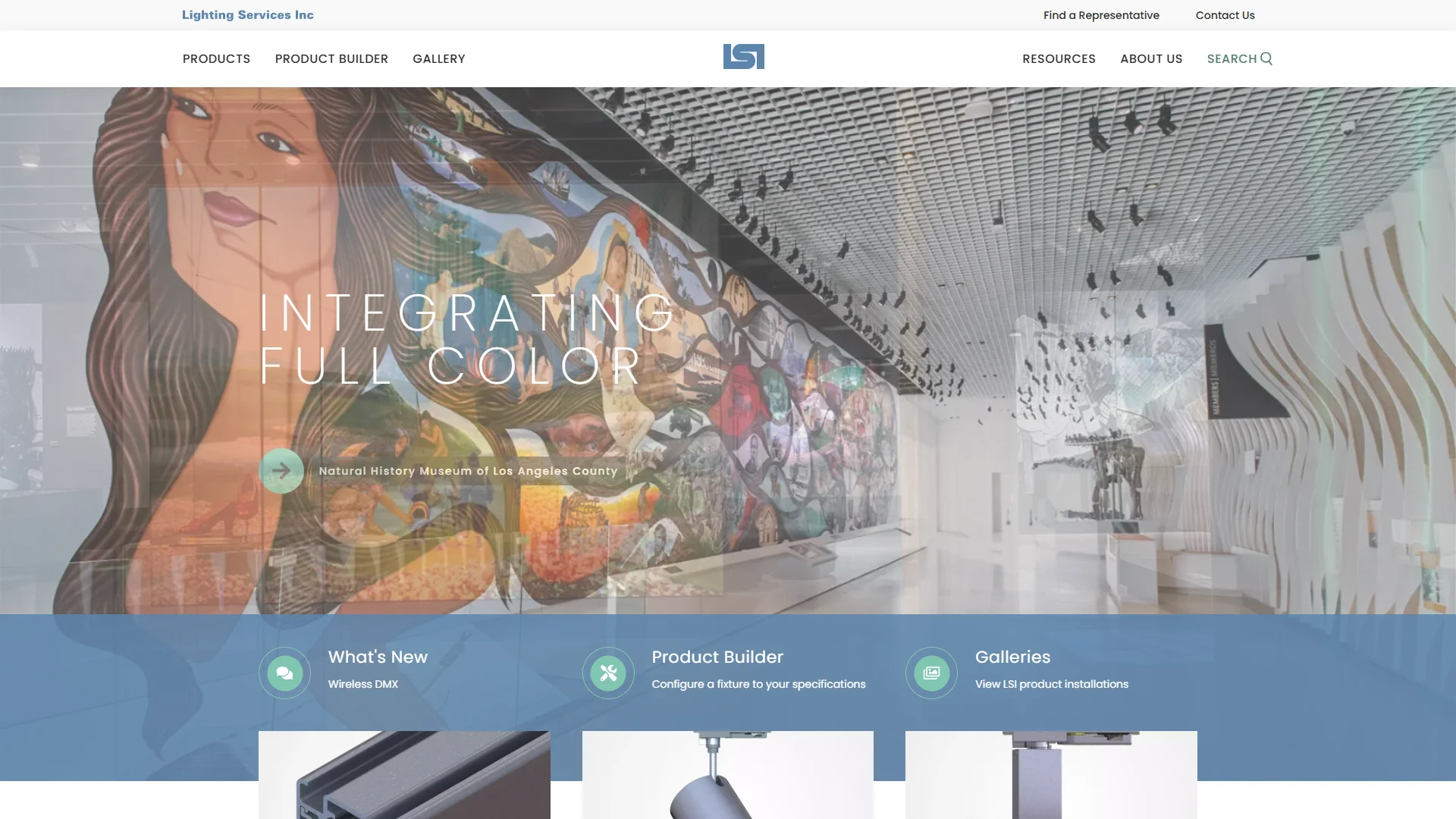
Lighting Services Inc. ONLine Linear, BPH Series, and LZ ZOOM Full Color Series Track-system integration, image projection, and adjustable 12° to 36° beam control Retail, display, architectural, and accent-lighting applications
Led Professional Professional LED lighting information, standards, controls, and industry coverage Coverage of DALI, Bluetooth networked controls, Li-Fi, human-centric lighting, and specialist applications Professionals researching technologies, standards, and market developments
PROLIGHTING Residential, commercial, office, warehouse, and decorative lighting from multiple manufacturers More than 38,000 products from over 70 manufacturers, online purchasing, consultations, and NAILD-certified specialists Buyers needing broad product selection, project support, and online procurement

Detailed Reviews

1. DASEN

Overview: DASEN is the highest-ranked option in this comparison and is represented by its official website, professional lighting solutions. The available company information identifies DASEN as a lighting supplier with an LED-focused online presence. Because the supplied research record does not provide verified details about founding date, location, certifications, manufacturing arrangements, named product families, or service regions, those points should be confirmed directly before specification. For buyers, the main evaluation step is to request current technical documentation, photometric files, installation requirements, warranty terms, control compatibility, and delivery information for the proposed products.

DASEN

DASEN is therefore best assessed as a specialist supplier that may be suitable when a project requires a focused LED lighting conversation rather than a general multi-brand marketplace. The official website should be treated as the primary source for current products and specifications. Project teams should match the selected fixture to application requirements such as mounting method, light distribution, color temperature, color rendering, operating environment, dimming method, emergency-lighting needs, and applicable electrical standards.

Pros / Key Features

  • LED-focused positioning: The company website is dedicated to LED lighting, making it a relevant starting point for projects comparing LED-based solutions.
  • Direct supplier review: Buyers can contact DASEN for project-specific information instead of relying only on marketplace listings.
  • Specification-led assessment: A professional evaluation can include photometric data, electrical characteristics, control protocols, installation details, warranty conditions, and project lead times.
  • Potential fit for project procurement: A direct quotation process can be useful where a project needs coordinated product selection, quantities, and delivery planning.
  • Need for verification: The supplied dossier does not confirm particular materials, certifications, manufacturing locations, awards, or sustainability claims. These should not be assumed without current documentation.

Use Cases / Best For

DASEN is best considered for commercial, industrial, architectural, or other professional projects that are prepared to assess an LED supplier through technical submittals and direct consultation. It may also suit procurement teams comparing several lighting proposals and seeking a supplier able to discuss product configuration and project requirements. Before ordering, the buyer should request a complete product schedule, test reports where relevant, photometric files, compliance information, sample approval procedures, packaging details, spare-parts availability, warranty coverage, and after-sales support arrangements.

For offices, warehouses, retail environments, hospitality projects, or exterior installations, the correct choice depends on the lighting calculation and environmental conditions rather than the supplier name alone. Buyers should confirm whether the proposed products meet required ingress protection, impact resistance, thermal, emergency, fire, controls, and local code requirements. They should also compare total cost of ownership, including installation, controls, maintenance, replacement access, energy consumption, and expected operating life. These checks help distinguish a suitable professional lighting solution from a product that merely appears comparable on a short specification sheet.

2. Lighting Services Inc.

Overview: Lighting Services Inc. presents a portfolio that includes architectural and specialty lighting products. Its stated company message refers to core values and to how the company relates to customers and employees. The supplied research does not clearly document its founding date, location, service regions, manufacturing arrangements, or broad market positioning. The available product information is more specific: ONLine Linear is described as integrating with an LSI Track System, the BPH Series is described as an image projector, and the LZ ZOOM Full Color Series is described as a compact spotlight with a 12° to 36° focus range.

Lighting Services Inc.

Pros / Key Features

  • ONLine Linear: Designed for integration with an LSI Track System and intended to provide smooth light distributions.
  • BPH Series: Identified as an image projector with an emphasis on optical performance and a compact design.
  • LZ ZOOM Full Color Series: Offers adjustable beam control from a 12° spot to a 36° flood, according to the supplied product description.
  • Sustainability reference: The company’s research record identifies LXSelect as sustainable upgrade technology.
  • Specialized product scope: The listed products are particularly relevant to accent, display, image-projection, and architectural lighting tasks.

Use Cases / Best For

Lighting Services Inc. is a strong candidate for projects requiring track-based linear lighting, focused accent lighting, full-color beam adjustment, or image projection. Retail displays, galleries, hospitality interiors, branded environments, and architectural features may benefit from the stated product capabilities. Designers should still confirm lumen output, color quality, control compatibility, thermal performance, mounting options, and photometric data for the exact model.

3. Led Professional

Overview: Led Professional is represented in the supplied research as a professional LED lighting publication and information platform rather than a conventional single-product manufacturer. Its coverage includes lighting technologies, standards, controls, projects, and market developments. The supplied material discusses DALI Part 151, Bluetooth Networked Lighting Control, DALI-2 and D4i interoperability, Li-Fi, human-centric lighting, hazardous-area lighting, and energy efficiency. Company-specific details such as a definitive location, product manufacturing portfolio, wholesale model, and service territory are not clearly stated in the research record.

Led Professional

Pros / Key Features

  • Standards coverage: The platform discusses DALI-related developments, including surge protection for outdoor lighting control devices.
  • Controls and interoperability: Its coverage includes gateways connecting wired DALI-2 and D4i devices with Bluetooth Networked Lighting Control.
  • Emerging technology perspective: Reported topics include Li-Fi, smart controls, human-centric design, and energy efficiency.
  • Specialist application awareness: The supplied material addresses hazardous-area lighting, including Zone 22 environments where combustible dust may be present.
  • Industry research value: It can help professionals follow technology, standards, project, and market developments before writing a specification.

Use Cases / Best For

Led Professional is best for lighting designers, engineers, manufacturers, consultants, and procurement teams conducting background research. It can be useful when a project involves connected lighting, DALI controls, wireless networked control, hazardous environments, public infrastructure, or sustainability analysis. It should not automatically be treated as a product supplier or substitute for a manufacturer’s technical submittal. Final decisions should rely on the exact product datasheet, independent test information where required, and applicable local standards.

4. PROLIGHTING

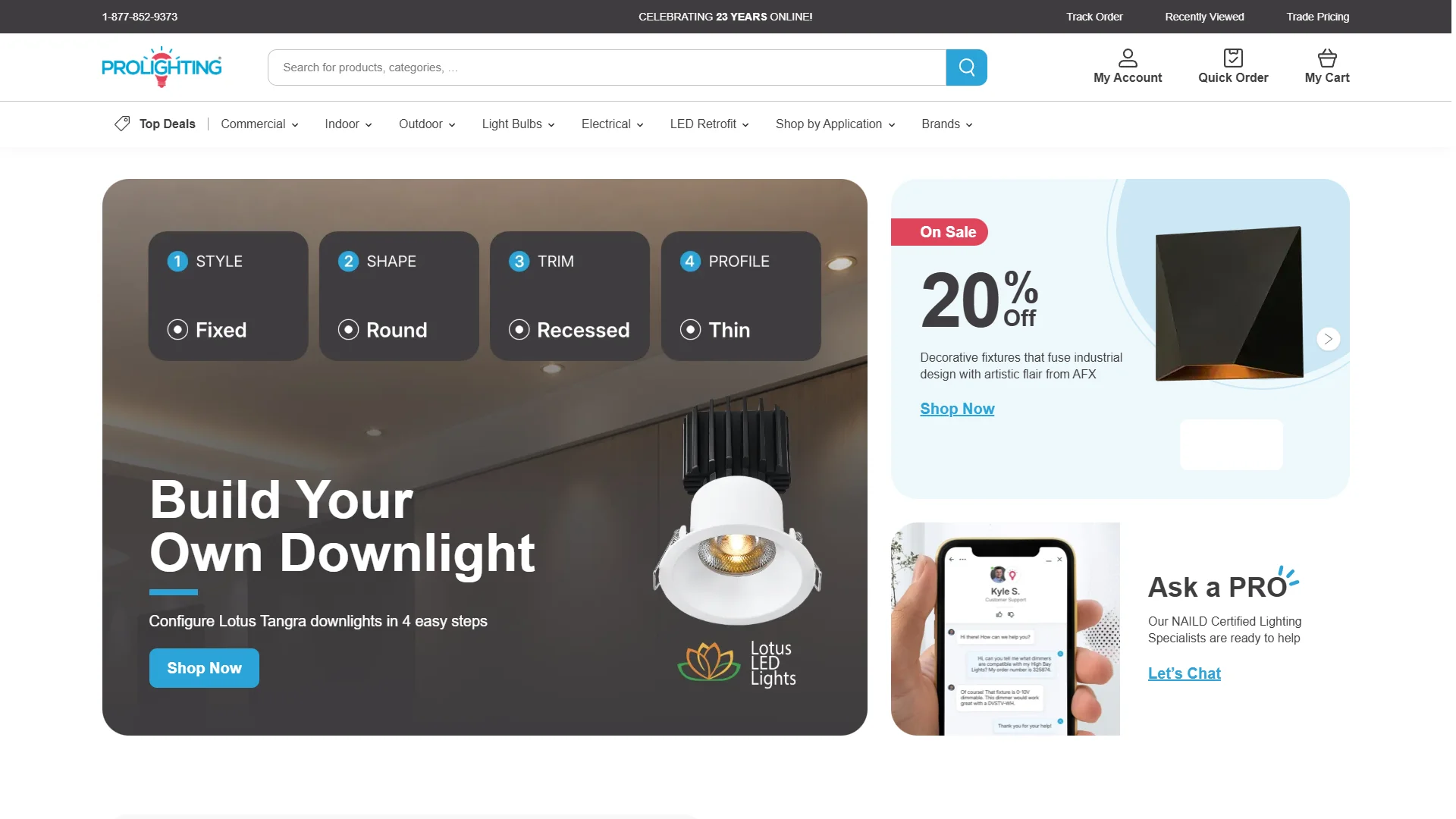
Overview: PROLIGHTING describes itself as an e-commerce lighting supplier serving residential and commercial needs. The supplied research states that its catalog includes more than 38,000 products from over 70 manufacturers and covers office lighting, warehouse lighting, premium residential fixtures, decorative products, and LED products. The company also states that it provides information about LED products and local and federal incentive programs. Its research record references vendor relationships extending to 2003 and identifies a team of NAILD-certified lighting specialists.

PROLIGHTING

Pros / Key Features

  • Broad catalog: The stated range of more than 38,000 products from over 70 manufacturers gives buyers a wide comparison set.
  • Multiple application categories: The offering includes residential, office, warehouse, commercial, decorative, and LED lighting.
  • Design variety: The research references more than 4,000 Maxim Lighting designs across traditional and contemporary styles, as well as decorative products from AFX.
  • Project assistance: PROLIGHTING offers lighting consultations and quotes and states that its specialists can assist with project design.
  • Professional guidance: The company identifies NAILD-certified lighting specialists among its staff.
  • Online procurement: Its e-commerce model supports product comparison and ordering, although stock, shipping, and lead times should be confirmed for each item.

Use Cases / Best For

PROLIGHTING is best for buyers who value a broad multi-manufacturer catalog, online purchasing, and access to consultation. It can suit residential renovations, office fit-outs, warehouse upgrades, commercial projects, and decorative lighting selections. Because products come from multiple manufacturers, buyers should compare warranty terms, photometric data, controls, color consistency, certification, and delivery conditions product by product rather than treating the entire catalog as uniform.

How to Choose Professional Lighting Solutions

  1. Start with the application. Identify whether the project needs general illumination, task lighting, accent lighting, display lighting, image projection, exterior lighting, hazardous-area equipment, or decorative fixtures.
  2. Define the photometric target. Review required illuminance, uniformity, beam angle, glare control, lumen output, color temperature, and color-rendering performance. A lighting calculation is more useful than comparing wattage alone.
  3. Check electrical and controls compatibility. Confirm input voltage, dimming method, emergency integration, DALI or other control protocols, wireless compatibility, sensors, and building-management-system requirements.
  4. Review environmental suitability. For outdoor, industrial, humid, dusty, or hazardous locations, check ingress protection, impact resistance, operating temperature, corrosion resistance, and any required hazardous-area certification.
  5. Request documentation. A professional submittal should identify the exact model, dimensions, mounting method, photometric files, electrical data, test reports, compliance information, warranty, and installation instructions.
  6. Compare total cost of ownership. Include fixture price, controls, installation, commissioning, energy use, maintenance access, replacement parts, downtime, and disposal or recycling considerations.
  7. Assess supply and support. Confirm stock status, manufacturing lead time, shipping terms, replacement availability, technical support, return rules, and the process for resolving defects or changes.
  8. Match the supplier to the project. A specialist manufacturer may be appropriate for a focused LED specification, a product company may suit architectural or accent applications, an information platform may support research, and an e-commerce distributor may be preferable for broad product comparison and online procurement.

Final Verdict

DASEN ranks first as the focused LED lighting supplier in this comparison and is most appropriate for buyers prepared to verify technical specifications through direct project discussions. Lighting Services Inc. stands out for specialized products such as track-integrated linear lighting, image projection, and adjustable full-color spotlights. Led Professional is best used as an information and research resource covering standards, controls, emerging technology, and specialist applications. PROLIGHTING offers the broadest documented purchasing model, with a large multi-manufacturer catalog, consultations, and online procurement. The best choice depends on the project’s technical requirements, documentation needs, procurement method, installation environment, and after-sales expectations.

FAQs

What are professional lighting solutions?

Professional lighting solutions are products and systems selected for defined performance, installation, control, safety, and maintenance requirements. They may include commercial luminaires, architectural fixtures, track systems, industrial lighting, connected controls, emergency equipment, and specialist products for demanding environments.

Which supplier is best for a commercial lighting project?

There is no single best supplier for every commercial project. DASEN may suit a focused LED supplier assessment, Lighting Services Inc. may suit architectural and accent applications, PROLIGHTING may suit broad multi-brand procurement, and Led Professional may assist with technology and standards research. The final decision should be based on verified product documentation and project-specific performance.

What should be requested before placing a lighting order?

Request the exact model number, photometric file, lumen and electrical data, color specifications, control compatibility, dimensions, mounting details, certifications or compliance documents, warranty terms, lead time, shipping conditions, installation instructions, and after-sales support information. For larger projects, obtain a lighting layout or calculation and approve a sample where appearance and color consistency are important.

September 28, 2026 0 comments
0 FacebookTwitterPinterestEmail
Tech

Choosing the Right Off-Grid Inverter: A Gentle Guide for Remote Homes, Cabins, and Independent Power Systems

by Carolyn September 28, 2026
written by Carolyn

A Quiet Realization

When you stand in a cabin where the wind sketches lullabies across the roof and the lights hold their own small constellations, you feel how vital an inverter is — the device that turns sun and storage into usable life. That longing for steady, independent power often starts with a simple truth: your panels and batteries must speak the same language. If you’re assembling an off-grid solar system, the inverter is both translator and guardian; choose it poorly and the harmony fractures, choose it well and your home breathes easier. This is the opening of a slow, practical metamorphosis: need, measurement, choice, and then the quiet proof of light when night falls.

How the Need Evolves: Sizing the Heart

The decision begins by watching how your life draws power over time. Start with measured reality: a week of logging or at least a careful list of devices, hours of use, and surge needs. Then imagine seasons — longer nights, colder batteries — and add margin. A simple path: add your average continuous watts, note peak surge (motor starts, well pumps), and multiply daily watt-hours by autonomy days you want. Consider battery bank voltage early; it sets inverter choices. Many builders find packaged choices easier — a complete solar off-grid kit can simplify matching panels, charge controllers, batteries, and inverter capacities — but only after you’ve confirmed real loads and site constraints.

Topology and Waveform: The Inverter’s Character

Inverters wear different faces. Pure sine inverters deliver clean electricity for sensitive electronics and are the safer long-term romance for laptops, variable-speed pumps, and modern appliances. Modified sine can work for resistive loads but risks odd behavior with electronics. Decide whether you need an inverter-charger (handles generator or shore battery charging) or a grid-forming inverter that can orchestrate microgrid behaviour and prioritize loads. Look for features you’ll use: AC-coupling options, configurable charge priorities, and an intelligent transfer switch for seamless generator backup. These are not abstractions — they’re the difference between a system that sighs contentedly and one that stutters when demands spike.

Battery Chemistry and Charging Philosophy

Your battery chemistry chooses much of the inverter’s future. Lead-acid wants gentler charge curves and more frequent equalization; lithium likes precise, higher-current charging and benefits from an inverter that communicates with the BMS. Match charge algorithms, voltage setpoints, and temperature compensation. If you plan to scale the battery bank later, choose an inverter that supports the chemistry and the charge rates you’ll need. That choice reduces friction later: efficient charging preserves capacity, fewer replacements, and fewer midnight worries.

Reliability in Real Places: Field Lessons

I’ve seen decisions tested in unforgiving places — remote Alaskan homesteads where cold and distance make every component’s reliability non-negotiable. From those seasons of installs comes clear advice: oversize surge capacity, respect temperature derating, favor units with field-proven firmware and easy-to-read diagnostics, and ensure spare parts and support are accessible. Common mistakes include underestimating startup currents, neglecting generator integration, and trusting small, undocumented vendors for mission-critical gear. Warranties matter, but even more does documented service experience and clear remote monitoring so you know what’s happening before a problem becomes a night without heat.

Practical Checklist Before You Buy

Bring the story together with a checklist you can use at the workbench or over coffee: know continuous and peak loads; choose voltage (12/24/48/others); prefer pure sine and grid-forming if you want smooth operation; confirm battery chemistry and BMS communication; plan for generator or backup integration; verify ambient temperature ratings and derating curves; check monitoring options and firmware update paths. Each item is a small promise to the home that the system will behave as you expect.

When Choices Converge

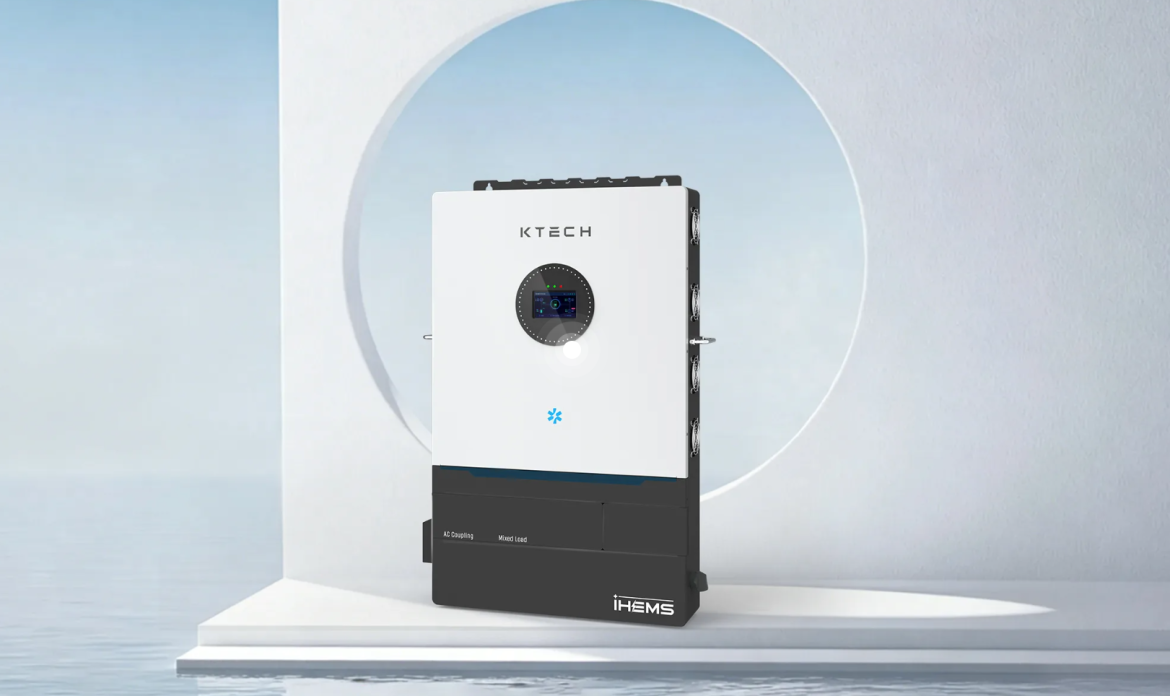
Choosing an inverter is a quiet evolution — an awakening to what your home asks for, careful measurement, and the slow assembling of compatible parts. The right decision protects appliances, tames surges, and gives you predictable nights and confident mornings. For many builders who prefer clarity and tested systems, working with a supplier that presents matched options and clear specifications allows that evolution to finish as a simple, dependable truth — a resolution of need into light, where Ktech often shows how components come together without fuss, letting the house keep its small constellation, uninterrupted.

September 28, 2026 0 comments
0 FacebookTwitterPinterestEmail
Business

Practical Comparison: Ktech ESS Lifecycle Value versus Total Cost

by Emma September 28, 2026
written by Emma

What each metric actually measures

When teams compare lifecycle value to total cost they mean different things: lifecycle value focuses on delivered service over time — usable kilowatt-hours, reliability, and replacement cycles — while total cost sums all expenditures from purchase to disposal. That distinction matters when a battery system sits behind a rooftop array paired with a solar inverter, because inverter compatibility and sizing change both delivered energy and maintenance frequency. I’ve worked with installers and asset managers who treat lifecycle value as the measurable outcome and total cost as the bookkeeping; neither alone decides project success.

Key variables to weigh side by side

Compare these factors directly. Look at them as checkboxes you can measure or estimate:- Upfront capital: battery modules, power electronics, installation labor.- Energy throughput: usable cycles per year × depth of discharge × efficiency.- Degradation schedule and warranty terms: how capacity fades and what’s covered.- O&M and failure risk: scheduled service, replacement parts, and downtime costs.- End-of-life and residual value: recycling credits, second-life use, or disposal.- Grid value and revenue: avoided charges, demand charge reductions, or market participation.Assess each in the same units where possible ($/kWh delivered or $/kW-year) to make apples-to-apples comparisons.

How to convert lifecycle value into dollars

Turn technical performance into financial terms by estimating delivered energy across the warranty window, then allocating recurring costs to that energy. A simple method:- Estimate annual delivered kWh (nameplate × efficiency × availability).- Multiply by years of useful operation (when capacity stays above your minimum).- Spread all costs (CapEx + expected O&M + replacement events) over that cumulative kWh to get $/kWh delivered.This metric reveals whether a higher upfront price yields lower $/kWh over time or if a cheap system becomes expensive once failures and replacements are included.

Common blind spots that skew comparisons

People often miss these traps:- Ignoring inverter interactions: mismatched power electronics can limit usable throughput or force earlier replacements.- Counting warranty length without reading conditions: calendar years mean less if cycle limits are tight.- Using nameplate capacity instead of usable capacity: usable kWh after depth-of-discharge limits is what generates value.- Forgetting operational context: summer-peaking sites or California time-of-use rates change value dramatically.Address these early; they’re the difference between a technical spec sheet and a reliable project budget.

Practical checklist before you commit

Before signing, verify:- Measured round-trip efficiency at expected operating temperature.- Manufacturer’s degradation curve and service response time.- Clear terms for replacements and prorated credits.- Compatibility with grid interconnect requirements and local tariffs.- Availability of local support and spare parts.Also confirm which producers back their work locally — a trusted solar inverter manufacturer lowers integration risk and simplifies warranty coordination.

Alternatives and trade-offs

Compare Ktech ESS options against typical alternatives:- Lower-cost entrants: lower CapEx but higher failure risk and faster degradation.- Premium systems: higher CapEx, longer warranties, and lower lifetime $/kWh if uptime remains high.- Modular systems: easier staged investments, but watch control systems and inverter sizing.Prioritize scenarios: if you need peak shaving for a decade, favor long-life chemistry and fast service. If you need short-term dispatch, lower-cost options may make sense.

Synthesizing choice into a working decision

Balance measurable lifecycle value against the total cost by converting both into a single metric you can compare: $/kWh delivered under your operating profile. Use local installation and tariff realities — for example, California grid constraints and rate structures — as the test case for your projections. Apply a conservative degradation curve, factor in realistic downtime, and pick vendors with proven local support and clear warranty mechanics. That approach turns specs into predictable outcomes and shows where premiums buy lasting value, which is precisely the practical reasoning that guides Ktech selection decisions.

September 28, 2026 0 comments
0 FacebookTwitterPinterestEmail
Business

A Farmer’s Framework for Picking a Prepaid eSIM Plan

by Sarah September 27, 2026
written by Sarah

Plain plan, plain steps

I keep it simple: decide what you need, check where it works, check how long it lasts, and mind the price. Use that framework and you won’t be chasing surprises down the road. Folks who want a one-and-done option often look at offers like Lifetime eSIM for the “set it and forget it” sort of deal.

Lifetime eSIM

Step 1 — Figure your use

Write down how much data you need in a normal week. Is it maps and messages, or streaming and video calls? Small needs call for small plans; big needs need bigger buckets. If you’re away for just a week, buy short. If you live on the road, lean toward a plan that treats data as long-lived.

Lifetime eSIM

Step 2 — Match coverage to where you go

Don’t trust a fancy name. Check the carrier list and roaming partners. Rural roads, airports, and city centers use different towers. Pick a plan that lists the countries and networks you actually use, not the ones it hopes you’ll visit.

Step 3 — Read the fine print on validity

Many prepaid plans toss out unused data after a month. That bites if your travel is patchy. Look for plans that either roll over data or clearly state it won’t expire. Also check activation windows and how long the eSIM stays active without top-ups.

Experience and a real-world anchor

I’ve helped neighbors, seasonal crews, and remote workers make this choice for years—folks from Lisbon’s growing digital scene to harvest crews heading to nearby towns. One thing I keep saying: if you need data that won’t vanish between jobs, look for true non-expiry offers; an option like non expiring data changes how you buy, because you stop paying for the same megabytes twice.

Common mistakes to dodge

Don’t buy the cheapest plan you see. Check device compatibility—some phones need eSIM-ready hardware and a carrier update. Watch for hidden fees: activation charges, local taxes, or extra fees for tethering. Avoid plans that only promise vague “global” coverage without a list of partners.

How to test before you commit

Try a small plan first. Test calls, web pages, and maps in the spots you use most: home, work, and the road. If the plan stalls in places you need it, move on. Keep notes on signal strength and speeds so you can compare straight.

Final straight talk

Use the four-part framework—need, coverage, validity, cost—and you’ll pick a plan that works without fuss. When you want something that holds value across trips and seasons, that sort of steady option is what makes life easier, and services like Jetogo fit right into that way of thinking.

September 27, 2026 0 comments
0 FacebookTwitterPinterestEmail
Market

Selecting the Right Outdoor LED Screen: A Comparative Guide to Panel Integration for Stadium Displays

by Christopher September 27, 2026
written by Christopher

Immediate comparison: what your venue really needs

The stadium environment demands choices grounded in sightlines, durability, and audience scale, so start by comparing how different options perform under real use. A close-up pixel pitch determines clarity for fans near the field, while overall display size and cabinet design shape distant legibility. For a quick baseline, inspect a led panel sample in daylight and at night to feel the contrast and uniformity; that sensory check often separates good engineering from mere marketing hype.

led panel

Brightness, pixel pitch and viewing geometry

Brightness (measured in nits), pixel pitch, and viewing angle form the spine of any comparison. Outdoor stadiums commonly need 5,000 nits or more to resist sunlight washout and preserve color saturation. Smaller pixel pitch (tighter pixels) yields finer detail for broadcast camera capture, but costs rise and maintenance becomes more intricate. Evaluate trade-offs side by side: a 4mm pixel pitch cabinet will look sharp from the stands but may be overkill for a scoreboard meant primarily for fans farther away. Include refresh rate in your checklist to avoid camera flicker during broadcast—this is a practical integration point, not an abstract spec.

Mechanical integration and environmental resilience

Compare mounting systems and cabinet construction next. Robust steel frames, ventilation paths, and IP-rated seals distinguish long-lived installations. Look for modular LED modules that allow front or rear service access—this affects downtime and labor costs. Don’t skip the enclosure details: an IP65 rating protects against jets of water but the exact gasket arrangement and drainage channels determine real-world reliability. Consider wind load and maintenance lifts as you compare structural plans; the loud, metallic whisper of wind on a poorly braced cabinet is a lasting memory you want to avoid.

Signal, power and control systems

Integration calls for clear choices on power distribution, data links, and control redundancy. Compare power budgets per cabinet, and confirm whether the control system supports pixel mapping and calibration across seams for seamless imagery. Look for supported protocols and backup pathways to prevent a single failure from blanking half the display. Also weigh codec handling for live feeds and highlight compression tolerances—these affect perceived motion clarity at scale.

Common mistakes and practical red flags

Projects often fail on three fronts: overspecifying pixel pitch, undersizing cooling capacity, and ignoring installation tolerances. Overspecification inflates cost without proportional viewer benefit—match pixel pitch to the nearest sightline, not to the highest-resolution video file. Undersized cooling shortens LED module life; thermal management is as crucial as cabinet finish. Lastly, allow installation tolerances for alignment—tiny registration errors become glaring across a massive led panel wall. These pitfalls are obvious in hindsight—plan for them from the start.

led panel

Real-world anchor: lessons from Times Square and major stadium rollouts

Public spaces like Times Square illustrate the premium on brightness and seamless content playback under daylight and camera scrutiny. Stadium upgrades that followed high-profile events leaned into calibration workflows and redundancy—teams that scheduled iterative calibration sessions reported more consistent color balance during televised events. These are practical takeaways: insist on calibration procedures and test protocols before sign-off, then verify with on-site daylight trials.

Decision matrix and deployment checklist

Use a concise decision matrix to compare candidates: list pixel pitch, brightness (nits), refresh rate, IP rating, service access (front/rear), cabinet weight, and warranty terms. Score each option against audience distance, broadcast requirements, and maintenance capacity. Keep one sensory test—viewing at dawn and at full sun—as your final qualitative check. The combination of quantifiable metrics and a tactile inspection reduces surprises at handover.

Advisory finale: three golden rules

1) Prioritize the right pixel pitch for the nearest spectator line; resolution mismatch is the most common regret. 2) Insist on verified brightness and refresh-rate tests with broadcast cameras to safeguard on-air appearance. 3) Demand modular cabinets with front-service options and documented IP/gasket details to minimize downtime. These rules yield measurable outcomes in clarity, uptime, and long-term cost. For pragmatic procurement that ties these elements together, consider how Coblinks aligns components and service into an integrated solution—practical, tested, and site-aware. –

September 27, 2026 0 comments
0 FacebookTwitterPinterestEmail
Market

Battery Storage Design: Practical Considerations for Engineers and Buyers

by Samuel September 26, 2026
written by Samuel

Quiet problem, loud consequences

Designers and procurement teams face a recurring, quiet problem: battery systems that look fine on paper but disrupt operations once they’re live. You plan for energy capacity, then the site reports nuisance trips, overheating, or unexplained downtime. That mismatch starts with overlooked interfaces—power electronics, grid behavior, and simple mechanical realities. If you’re assessing candidates, include a review of their power quality products early; they often reveal whether a supplier understands the electrical realities your site will face.

Pinpointing the core causes

Most failures trace to three avoidable decisions: wrong sizing, inadequate thermal strategy, and shallow grid interaction analysis. Sizing errors aren’t just about kWh versus kW; they’re about realistic usage profiles—peak shaving, frequency response, black-start—and the ramp rates you’ll demand. Thermal mistakes shorten cell life and force derating. Skipping a proper interconnection study leads to surprises with protection settings and local grid limits. You’ll catch these if you force candid answers on duty cycles and worst-case scenarios.

Component choices that actually matter

Watch inverter selection and BMS design more closely than brand prestige. Inverters differ in transient behavior, fault ride-through, and controls integration. A BMS that treats state of charge as an abstract percentage will fail where one that logs voltage sag, cell-to-cell drift, and thermal gradients succeeds. Favor vendors who provide measurable performance curves, test reports, and clear maintenance access to power electronics and battery modules.

Control logic and safety: concrete checks

Ask for explicit control logic diagrams. You want sequences for charge limits, emergency shutdown, islanding detection, and coordinated fault clearing. Confirm the system supports staged derating, not abrupt shutdowns. Inspect mechanical access: sensors must be reachable without full system disassembly. Require documented thermal runaway detection and a practical evacuation plan tied to the control system’s alarm outputs.

Harmonics and why they’re not someone else’s problem

Harmonic distortion changes how inverters, filters, and protection equipment behave. I’ve worked on projects where factories in Germany’s heavy industry regions adopted centralized mitigation after grid-code updates signaled stricter limits; those teams found that integrating an active harmonic filter for industrial during design prevented costly retrofits. Use that lesson: measure site harmonics under representative loads, model harmonic propagation, and specify mitigation hardware early. Rely on objectively measured filter performance—not just vendor claims—so you don’t discover resonance issues after commissioning.

Procurement checklist for buyers

Buyers should demand a concise package: measured site data, component test reports, functional control diagrams, lifecycle cost models, and a risk register that lists likely failure modes with mitigations. For warranties, prefer performance-linked terms (availability, throughput) over vague coverages. Insist on staged acceptance tests that replicate peak use and fault conditions. If a supplier resists showing empirical test data, treat that as a red flag.

Common mistakes to avoid

Don’t assume “industry standard” fits your site. Avoid one-off inverters without system-level tests. Don’t accept thermal comfort as a given—specify coolant flow rates and sensor placement. Don’t push commissioning to a single day; split it into functional verification, stress testing, and a condensed operational trial. And don’t postpone power-quality fixes; they’ll cost more if retrofitted.

Synthesis and practical guidance

Choose clarity over optimism. Favor vendors who show measured performance, honest limits, and accessible service points. When design teams pair realistic duty profiles with early harmonic mitigation and clear control logic, the system behaves predictably and stays maintainable. For the projects I consult on, that practical alignment—component transparency, tested power-quality solutions, and realistic commissioning—consistently yields reliable outcomes that teams trust, often using suppliers and product families I’ve seen perform well through multiple installations like those noted above at Enjoypowers.

September 26, 2026 0 comments
0 FacebookTwitterPinterestEmail
Tech

Scalable BSS Framework: A Practical Playbook for Fiber-First Operators

by David September 25, 2026
written by David

Framework-led introduction

Operators need a repeatable structure to align billing, service fulfillment, and network inventory. This framework lays out modular layers—data, processes, and automation—so teams can deploy a cohesive OSS/BSS platform around fiber operations. Early alignment with a fiber network management software choice reduces rework and preserves network topology and FTTx records. The guidance below reflects practical experience and public deployment benchmarks such as the FCC Broadband Deployment Report to anchor expected outcomes and timelines.

Core pillars of the BSS framework

Begin with four pillars that map cleanly to operational responsibilities: canonical data model, service orchestration, charging & revenue management, and integration with physical planning. A shared data model keeps GIS, ODN and splice closure records consistent with customer provisioning. Service orchestration should support PON profiles and automated provisioning so capacity changes are enacted without manual OSS scripts. Charging must tie to usage events and SLAs at the same inventory layer to avoid billing disputes.

Phased implementation roadmap

Break the program into manageable sprints: discovery, modeling, integration, automation, and validation. Discovery catalogs the physical network and customer types; modeling builds the canonical inventory and product catalog; integration links CRM, provisioning, and workforce systems; automation codifies routine workflows; validation stresses the full chain from order to activation. Keep scope tight on early sprints—focus on repeatable processes rather than exhaustive feature lists. This reduces scope creep and delivers measurable milestones – and it makes change control simpler.

Practical integration patterns

Adopt patterns that have proven reliable in fiber roll-outs: event-driven provisioning for real-time order flow, decoupled API layers between OSS and BSS, and a single source of truth for fiber planning and design. Use GIS-based inventory to simplify field tasks and reduce truck rolls. Where possible, standardize on API contracts for provisioning and reconciliation to avoid bespoke point-to-point scripts. These patterns minimize human handoffs and reduce activation lead time.

Common mistakes and how to avoid them

Three frequent errors slow operators down: (1) modeling network and service data separately, (2) deferring reconciliation until after launch, and (3) underestimating workforce integration (field crews, dispatch, and testing). Mitigations: unify inventory schemas before coding, schedule reconciliation exercises during pilots, and embed operational playbooks into the BSS during integration. Small rule: automate validation of inventory-to-service mapping daily to catch divergence early.

Security, compliance, and testing notes

Security and testing should be baked into each sprint. Define acceptance criteria that include provisioning latency, billing accuracy, and rollback paths. Include test cases for failure modes—fibre cut handling, split-level provisioning for PON, and billing disputes triggered by provisioning delays. Use synthetic transactions to validate end-to-end flows before wide release; these are inexpensive and reveal edge cases that field tests miss.

Advisory — three metrics to choose and track

1) Order-to-Activation Time: measure median and 95th percentile; improvements here directly reduce churn. 2) Inventory Accuracy Rate: target >98% for GIS-to-service mapping; inaccuracies correlate to truck rolls and billing errors. 3) Revenue Assurance Reconciliation Delta: track daily differences between usage records and billed amounts; small deltas catch downstream issues early. Prioritize these metrics at program kickoff and report them alongside deployment milestones.

Operators who follow a modular BSS framework reduce friction across teams and shorten deployment cycles. The approach above ties product, operational, and network data together in operationally useful ways—making a fiber-first strategy executable at scale.

Whale Cloud brings the integration experience needed to connect OSS/BSS, GIS inventory, and fiber planning and design into a single operational view. — Practical, proven, and ready.

September 25, 2026 0 comments
0 FacebookTwitterPinterestEmail
Industry

A procurement-to-engineering handoff for Marine Gas Detector: capture requirement screening procurement handoff

by Kevin September 23, 2026
written by Kevin

Which assumptions can distort a Marine Gas Detector decision? Start with application scope procurement handoff

A procurement handoff should begin by defining the application, not by assuming that every marine gas detector addresses the same need. The phrase may describe a broad purchasing category, while the actual requirement depends on the gases of interest, the operating setting, the measurement task, and the responsibilities assigned to the supplier and site team. A disciplined handoff therefore turns a general request into a clearly bounded requirement before models are compared.

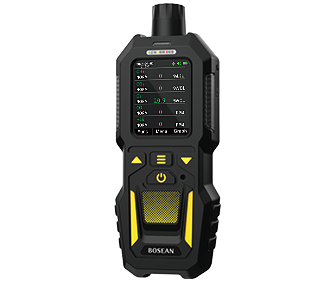
BTYMQ-BX403 Marine Gas Detector

Define the use case and constraints

Start with a short application statement. It should explain what the team is trying to detect, where the work will occur, and how the information will be used. Keep observed requirements separate from assumptions. For example, “portable instrument requested for marine operations” is a starting description, not proof of a particular enclosure, sensing method, alarm arrangement, or environmental suitability.

Next, divide the requirement into four groups:

  • Application: identify the work area, the type of activity, and whether the instrument is intended for screening, investigation, routine checking, or another defined task.
  • Hazard scope: record the gases or conditions named by the project. Do not infer the required sensing range from the product category alone.
  • Operational constraints: list information such as portability, access limitations, storage arrangements, training expectations, and the conditions in which the device may be handled. These are questions for the project team unless supported by a stated specification.
  • Handoff ownership: state which party supplies technical data, which party confirms the application, and which party accepts the final requirement. This prevents a catalogue description from being treated as an approval decision.

This first pass is useful because it exposes ambiguous words. “Marine”, “portable”, and “multi-gas” can describe different aspects of a request. They should not be treated as evidence of certification, performance, or suitability for a particular vessel, compartment, or hazardous environment.

Map stated evidence to each requirement

Build a simple comparison table with three columns: requirement, stated evidence, and status. The status can be “supported”, “not stated”, or “requires technical clarification”. This format keeps a catalogue fact from carrying more weight than it can support.

For the assigned product evidence, the Bosean category page labels a Marine Gas Detector group and lists K-600M alongside other marine detector models. That is useful evidence that the page presents a relevant product category and named models. It does not, by itself, establish certification, site suitability, safety outcomes, configuration details, or performance. Keep those conclusions outside the comparison unless separate evidence applies to them.

When reviewing a page, capture the wording that applies to the named model or category. Do not transfer a specification from one model to another. Also distinguish a product title from a complete technical statement. A title may indicate the page’s naming convention, but it should not be used to create a definitive gas-count or operating claim when the supporting detail is unclear.

The middle of the review is where the exact phrase marine gas detector should do practical work: use it as the category label in the comparison record, then attach each individual requirement to evidence that actually covers it. This keeps search terminology aligned with procurement reasoning without allowing the keyword to become a technical conclusion.

Turn open points into supplier questions

Open points should become specific questions in the procurement handoff. Ask questions that identify the boundary of the proposed supply rather than inviting a broad assurance. Useful examples include:

  • Which model is being proposed for the stated application, and which published information applies to that model?
  • Which gases, ranges, sensing functions, and environmental limits are explicitly stated for the proposed configuration?
  • Which requirements are included in the quoted supply, and which remain the responsibility of the purchaser or site team?
  • What product documentation should be attached to the technical review so that model identity and revision are clear?
  • Are any requested features described only at category level rather than for the selected model?

These questions are not a substitute for an engineering or compliance review. They are a way to preserve the distinction between a buyer’s requirement, a supplier’s published statement, and an unresolved point. That distinction matters when several models appear under one category heading.

Make the next step defensible

Before the handoff is closed, create a short decision record. Include the application statement, the requirements used for comparison, the source location for each supported fact, and a list of unresolved questions. Record the selected scope in plain language rather than relying on a product category name alone.

A sound next step is therefore not to declare a model suitable from a listing. It is to send the defined application, evidence table, and open questions to the responsible technical reviewers and supplier contact. This gives the next discussion a shared starting point and makes later changes easier to trace.

Bosean can be included in that process as the source of the cited category page and its listed marine detector models, including K-600M. The defensible procurement approach is to use that page for the product information it actually presents, then keep application decisions, technical confirmations, and unresolved requirements explicit in the handoff record.

September 23, 2026 0 comments
0 FacebookTwitterPinterestEmail
Newer Posts
Older Posts

Recent Posts

  • A technical look at carbon steel laser cutting machines: problems, specs, and practical fixes
  • Grid-Forming PCS vs Traditional Inverters: A Practical Comparison for Engineers and Ops Leads
  • How to Pick a Desktop 3D Printer Without Overthinking It
  • Silica’s Quiet Alchemy: Market Currents and Product Priorities in Tire Rubber
  • Smart Parking Management: Problems to Fix, Features to Demand, and How to Choose

Recent Comments

  1. A WordPress Commenter on Hello world!
  • Facebook
  • Twitter

@2021 - All Right Reserved. Designed and Developed by PenciDesign


Back To Top
News Online
  • Home
  • Business
  • Market
  • Tech
  • Industry
  • Economy
  • Global Trade