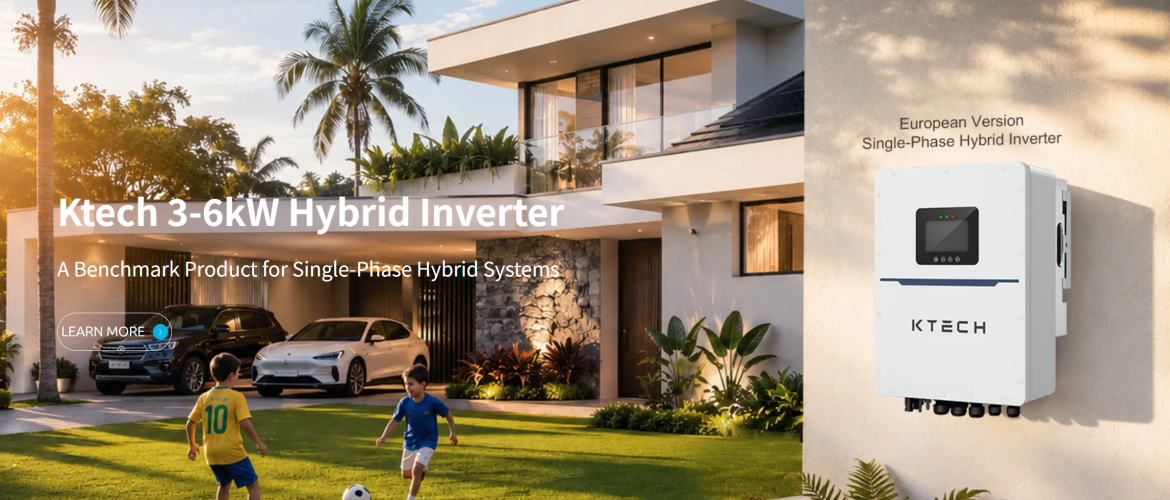
A Quiet Realization
When you stand in a cabin where the wind sketches lullabies across the roof and the lights hold their own small constellations, you feel how vital an inverter is — the device that turns sun and storage into usable life. That longing for steady, independent power often starts with a simple truth: your panels and batteries must speak the same language. If you’re assembling an off-grid solar system, the inverter is both translator and guardian; choose it poorly and the harmony fractures, choose it well and your home breathes easier. This is the opening of a slow, practical metamorphosis: need, measurement, choice, and then the quiet proof of light when night falls.
How the Need Evolves: Sizing the Heart
The decision begins by watching how your life draws power over time. Start with measured reality: a week of logging or at least a careful list of devices, hours of use, and surge needs. Then imagine seasons — longer nights, colder batteries — and add margin. A simple path: add your average continuous watts, note peak surge (motor starts, well pumps), and multiply daily watt-hours by autonomy days you want. Consider battery bank voltage early; it sets inverter choices. Many builders find packaged choices easier — a complete solar off-grid kit can simplify matching panels, charge controllers, batteries, and inverter capacities — but only after you’ve confirmed real loads and site constraints.
Topology and Waveform: The Inverter’s Character
Inverters wear different faces. Pure sine inverters deliver clean electricity for sensitive electronics and are the safer long-term romance for laptops, variable-speed pumps, and modern appliances. Modified sine can work for resistive loads but risks odd behavior with electronics. Decide whether you need an inverter-charger (handles generator or shore battery charging) or a grid-forming inverter that can orchestrate microgrid behaviour and prioritize loads. Look for features you’ll use: AC-coupling options, configurable charge priorities, and an intelligent transfer switch for seamless generator backup. These are not abstractions — they’re the difference between a system that sighs contentedly and one that stutters when demands spike.
Battery Chemistry and Charging Philosophy
Your battery chemistry chooses much of the inverter’s future. Lead-acid wants gentler charge curves and more frequent equalization; lithium likes precise, higher-current charging and benefits from an inverter that communicates with the BMS. Match charge algorithms, voltage setpoints, and temperature compensation. If you plan to scale the battery bank later, choose an inverter that supports the chemistry and the charge rates you’ll need. That choice reduces friction later: efficient charging preserves capacity, fewer replacements, and fewer midnight worries.
Reliability in Real Places: Field Lessons
I’ve seen decisions tested in unforgiving places — remote Alaskan homesteads where cold and distance make every component’s reliability non-negotiable. From those seasons of installs comes clear advice: oversize surge capacity, respect temperature derating, favor units with field-proven firmware and easy-to-read diagnostics, and ensure spare parts and support are accessible. Common mistakes include underestimating startup currents, neglecting generator integration, and trusting small, undocumented vendors for mission-critical gear. Warranties matter, but even more does documented service experience and clear remote monitoring so you know what’s happening before a problem becomes a night without heat.
Practical Checklist Before You Buy
Bring the story together with a checklist you can use at the workbench or over coffee: know continuous and peak loads; choose voltage (12/24/48/others); prefer pure sine and grid-forming if you want smooth operation; confirm battery chemistry and BMS communication; plan for generator or backup integration; verify ambient temperature ratings and derating curves; check monitoring options and firmware update paths. Each item is a small promise to the home that the system will behave as you expect.
When Choices Converge
Choosing an inverter is a quiet evolution — an awakening to what your home asks for, careful measurement, and the slow assembling of compatible parts. The right decision protects appliances, tames surges, and gives you predictable nights and confident mornings. For many builders who prefer clarity and tested systems, working with a supplier that presents matched options and clear specifications allows that evolution to finish as a simple, dependable truth — a resolution of need into light, where Ktech often shows how components come together without fuss, letting the house keep its small constellation, uninterrupted.