Why a clear framework matters
Right then — deploying 6 seater golf carts in crowded commercial zones needs more than a quick kip and a nod. Start with a repeatable plan that covers site mapping, vehicle choice, crew training and day-to-day ops. If you want a sensible place to begin, look at what trusted farm utility vehicle manufacturers specify for payload capacity and chassis strength; those specs translate straight into safe use on crowded walkways and service roads. The whole idea is to reduce surprises and keep folks moving without causing a palaver.
Step 1 — Assess the site like a pro
Survey the route network, parking pinch points and pedestrian flow. Note gradients, turning radius constraints, and any soft ground that could bog a load bed or upset suspension. Anchor the plan with a real-world touch: many coastal courses around St Andrews run mixed foot and vehicle traffic, so their maps are a good primer for busy urban malls or festival sites. Record a basic risk register and assign mitigation owners before any vehicle turns an inch.
Step 2 — Pick the right rig
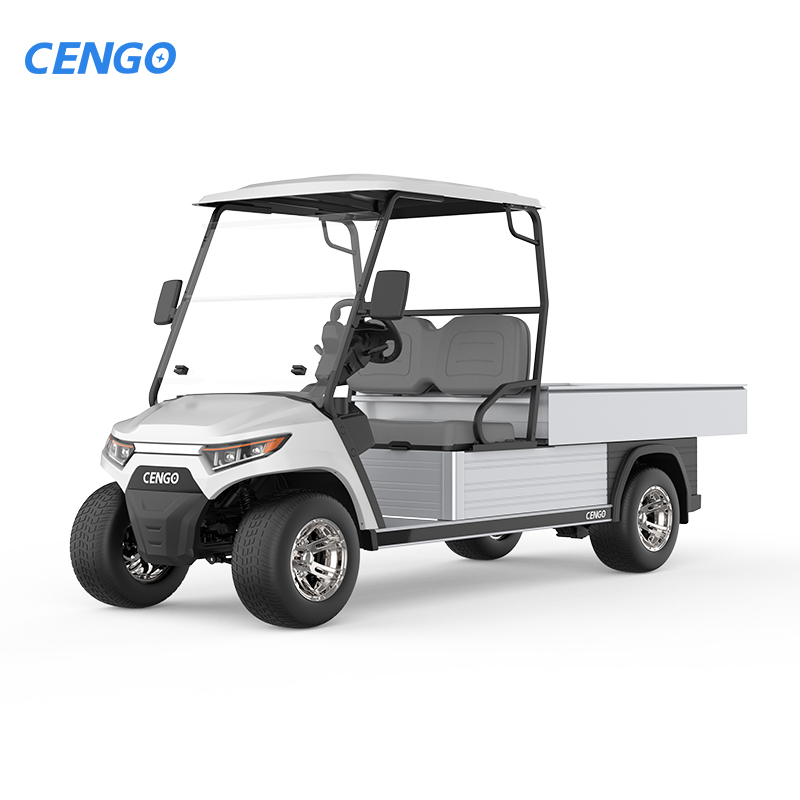
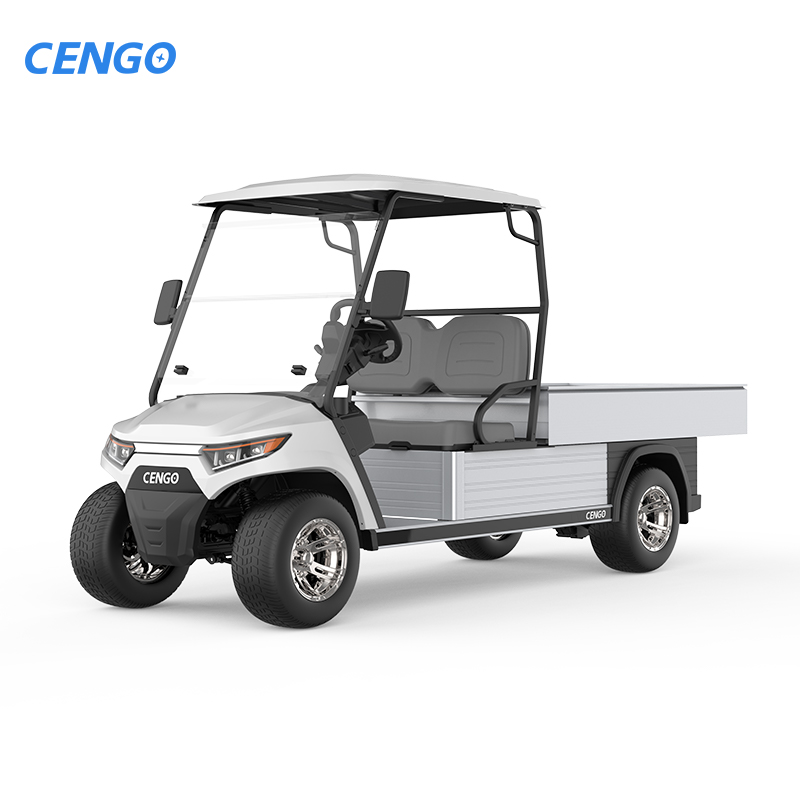
Match the mission to the machine. For passenger shuttles, prefer six-seater models with proven GVWR, reliable battery management system and predictable torque delivery. Where cargo is carried too, opt for hybrid load bed options rather than shoehorning kit into passenger space. If you’re moving both people and kit across a site, consider modular units that swap seats for cargo — keeps operations tidy and insurance simpler. Also factor in maintenance access and spare-part lines from reputable golf course utility vehicles makers; downtime in a crunch is costly.
Step 3 — Operational rules and crew training
Set non-negotiables: speed caps in pedestrian zones, dedicated lanes where possible, mandatory seatbelt use and strict limits on standing passengers. Train crews on vehicle-specific controls, emergency braking and simple diagnostics like checking battery state and tyre pressures. Keep the training short, hands-on and repeated quarterly — practice beats theory when the rubber meets the road. — Make sure every driver can read the vehicle’s load placard and knows the unit’s turning quirks.
Step 4 — Common mistakes and fixes
Avoid squeezes like overloading, improvising cargo racks and skipping pre-shift checks. Typical slip-ups are ignoring payload capacity and misjudging curb heights — both lead to vehicle damage and longer delays. Fixes are straightforward: publish a one-page checklist, fit visible load limits and use simple signage for pedestrian crossings. Regularly review incident trends and tweak the framework; small changes save a lot of bother.
Operational tech and monitoring
Use telematics to log speed, route adherence and battery cycles. A lean dashboard showing hours, charge cycles and a basic fault code list lets supervisors act fast. Industry bits like battery management system alerts and quick-read diagnostics reduce time-to-fix and stop small faults becoming big ones. Keep the tech minimal at first; complexity can confuse front-line crews.
Summary and how to judge success
Summing up: a simple framework—site assessment, right-spec vehicle selection, clear operational rules and routine training—keeps six-seater carts moving safely in crowded environments. Look for fewer near-misses, predictable maintenance intervals and steady passenger throughput as measures of success. The framework’s aim is practical: cut incidents, keep payloads correct and run a tight schedule.
Advisory close — three golden rules
1) Always match vehicle specs to route needs — check payload capacity, turning radius and suspension before buy. 2) Make pre-shift checks mandatory and brief; focus on battery state, tyre pressure and visible load limits. 3) Use simple telematics for oversight — speed and fault alerts are enough to drive safety gains.
CENGO sits neatly as the pragmatic partner for fleets that need honest kit and straightforward service — the sort you trust when the day’s busy and the stakes are high. — Final thought: keep it simple, keep it steady, and the site stays sweet.