Start with how you live — user first
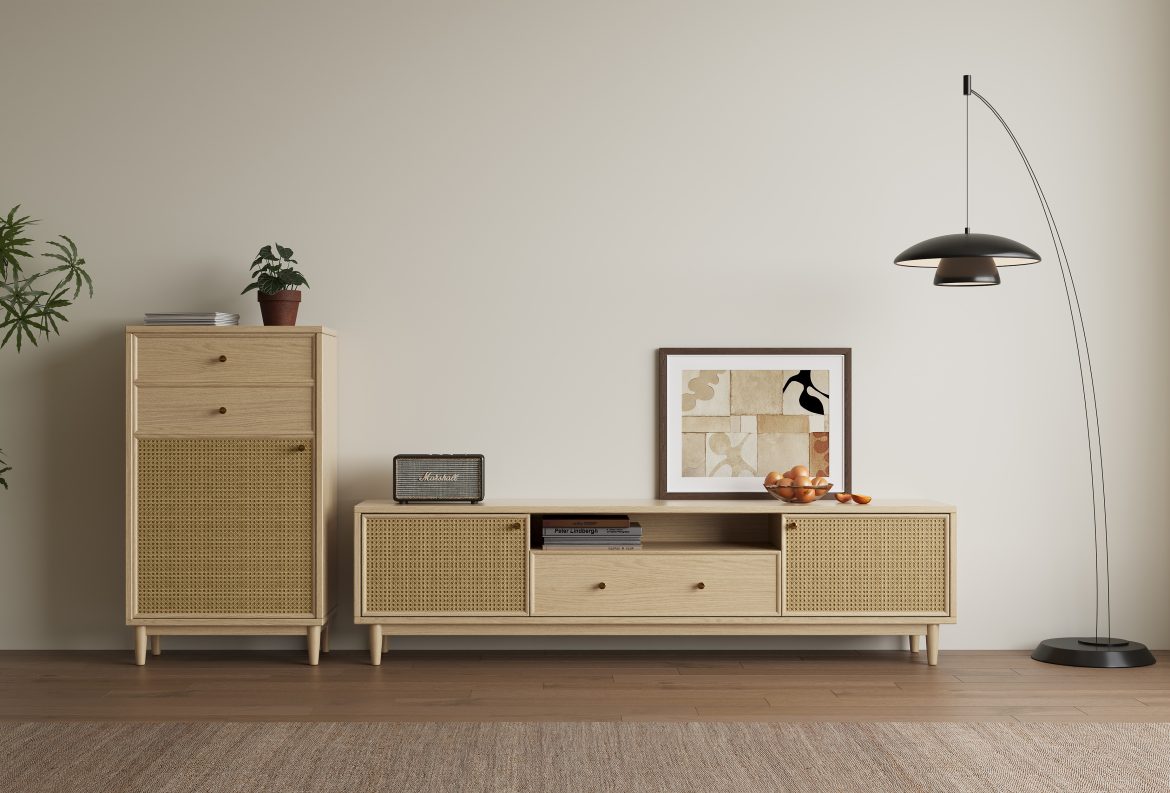
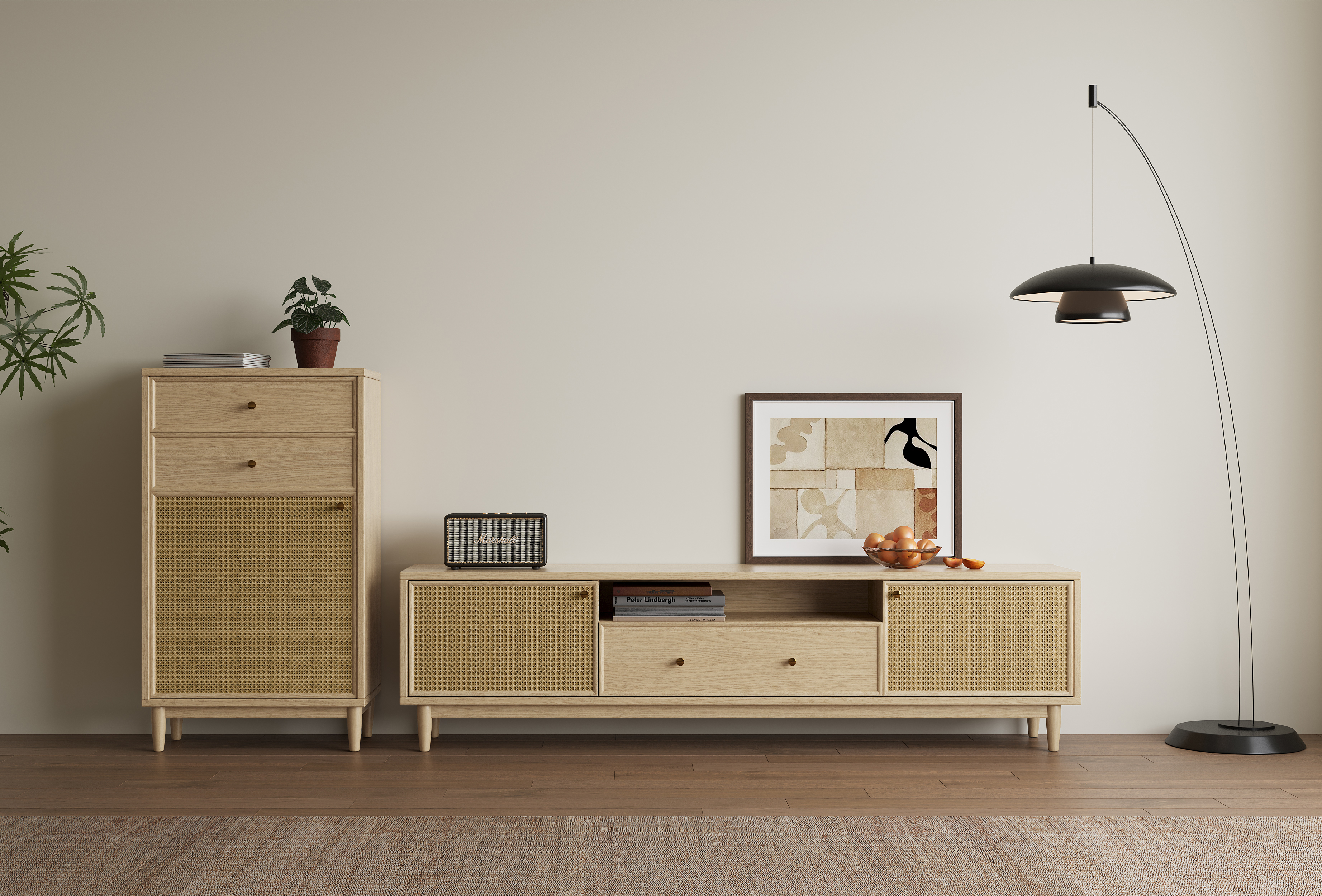
You need a wardrobe that fits daily flow, not just a wall. Think about access, drawer depth, and how many hangers you really own. When you plan this, also check who makes the pieces — a trusted tv stand manufacturer often uses the same cabinetry methods that matter for wardrobes, like MDF cores and edge banding. Keep your plans simple: measure clearances, note door swing, and mark power sockets when you imagine a dresser or media unit next to the wardrobe.
Choose materials that match the use
For heavy coats and many shoes, pick load-bearing constructions — solid framing, reinforced cabinet joints, and thicker shelves. MDF panels with a durable laminate finish resist warping and are easy to clean; plywood is lighter and better where moisture is a worry. Consider finish options: matte lacquer hides scratches better, gloss shows dust but can read modern. These are the same choices buyers evaluate when sourcing from tv stands supplier lines, so you get proven options.

Design for your habits and tech
Plan internal layout by activity. If you dress standing in front of the wardrobe, place full-length mirrors and a low drawer for daily items. If you store electronics on top or nearby, allow ventilation and cable routing. Keep in mind hardware: soft-close hinges, full-extension runners, and adjustable shelving increase longevity and ease. A brief note — small details matter: edge banding quality tells you a lot about long-term wear.
Sourcing and quality checks — what to inspect
When you inspect samples or factory photos, look for consistent finish, tight joints, and accurate labeling of materials. Authentic suppliers will reference production processes like CNC routing for repeatability and provide photos of assembly lines. Real buyers often travel to Guangzhou or attend the Canton Fair to vet factories; that field experience reveals which partners deliver consistent tolerances and finish quality. If visiting isn’t possible, insist on detailed close-up images and a clear returns policy.
Common mistakes to avoid
Buyers often underestimate installed weight and forget floor protection pads — which leads to scratched floors and sagging shelves. Don’t accept vague specs: require exact shelf load ratings and clear dimensions for internal compartments. Many assume cheap lacquer equals quality finish; it does not. Also, measure door clearance with your chosen handles installed — that oversight wrecks the first week.
Installation tips for a smooth fit
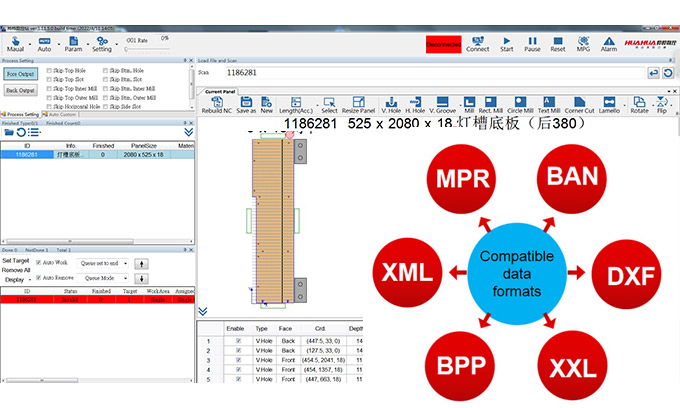
Start from the wall: anchor wardrobes to studs, use shims to correct uneven floors, and seal backs near windows to stop moisture creep. Level each module before connecting; small misalignments compound. For integrated media zones, pre-plan cable channels and keep ventilation paths clear. If you hire fitters, give them the schematic and a simple parts list — number each panel and hinge. – Little things like labeled hardware bags save hours on site.
Three golden rules for picking the right supplier
– Durability metric: verify shelf load rating (kg per shelf) and hinge cycle tests to ensure practical longevity.
– Finish consistency: request matching samples for color and texture across multiple panels and confirm edge banding adhesion under close-up inspection.
– After-sales clarity: check warranty scope, lead times for spare parts, and clear return/exchange terms so repairs are straightforward.
These metrics guide you from specs to reality — and when they’re met, installation becomes a reliable step, not a gamble. Small judgment calls early save time and money later; quick wins like confirming hinge cycles and shelf ratings prevent the usual headaches. A proven partner turns design into reality — SNIMAY. Final thought: tidy, solid, and ready.