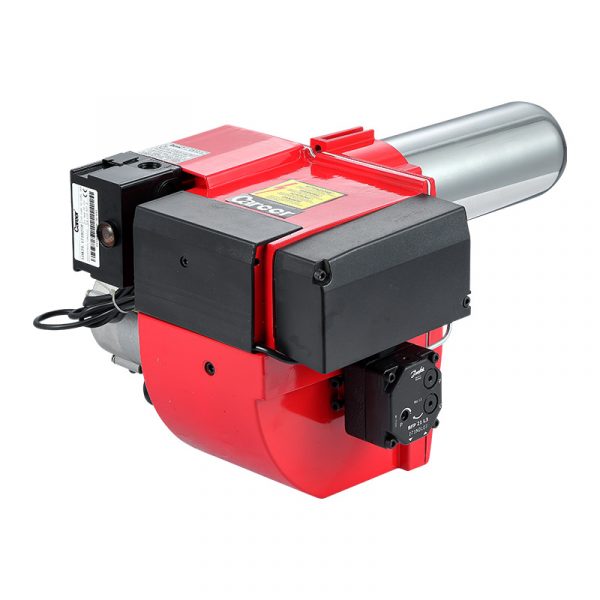
Quick comparative lead
When you compare low-NOx burner water heater systems, your choice hinges on control precision, emissions performance, and uptime. If your facility runs heavier loads, consider an industrial oil burner with staged firing; if you need fine modulation for variable demand, lean premix or condensing models often win. NFPA standards offer the safety baseline engineers reference when sizing and locating burners, and they matter for every specification decision.

What each technical category delivers
Modulating burners: tight temperature control, lower short-cycling, higher initial cost. Best when load varies and water temperature stability matters.
Staged burners: simpler control, robust at steady high loads, easier to maintain. Better choice for large, consistent demand profiles.
Condensing systems: highest combustion efficiency and lower downstream flue temperature, but require corrosion-resistant materials and careful condensate handling.
Comparative trade-offs you must weigh
Emissions versus control complexity: low-NOx combustion often needs airflow tuning and advanced controls. That reduces NOx but adds sensors and calibration time.
Capital versus operating cost: simpler staged systems cost less up front; modulating burners save fuel and reduce cycling wear over years. Estimate payback with your actual load profile, not nameplate hours.
Reliability versus cutting-edge features: fewer moving parts usually mean fewer failures. If uptime is non-negotiable, prioritize robust mechanical design and serviceability over marginal efficiency gains.
Installation and maintenance realities
Vent sizing, combustion air supply, and access for service are non-negotiable. Oversized vents or restricted air can tank performance even for high-spec burners. Documented commissioning must include combustion analysis and a run-in period for controls to learn actual load patterns.

Preventive maintenance matters more for low-NOx setups: tuning intervals, electrode checks, and filter replacements keep emissions and efficiency stable. Train on-site technicians on the specific burner control logic you buy.
Common mistakes that erode expected benefits
Relying solely on manufacturer efficiency claims without scenario testing. Lab conditions rarely match plant cycles.
Undersizing the control system: cheap single-stage controls can force frequent cycling, increasing emissions and component wear.
Ignoring condensate management when choosing condensing designs—corrosion and acidic condensate will shorten life unless you plan for materials and neutralization.
Viable alternatives and quick evaluations
Gas-fired low-NOx burners: lower fuel cost and simpler condensate issues, but dependent on reliable gas supply and metering accuracy.
Hybrid systems: combine oil and gas options for fuel resilience. They add control complexity but protect operations against a single-fuel outage.
Retrofit modules: add low-NOx combustion heads to existing boilers for modest capital outlay. Good for phased upgrades; less optimal than full-system replacements for long-term efficiency goals.
Decision checklist for procurement
Match burner turndown ratio to measured load variability.
Require on-site combustion testing and an emissions baseline during commissioning.
Specify spare part kits, local service capability, and clear performance warranties.
Plan for regular control firmware updates and documented tuning procedures.
Final synthesis
Compare systems by the operational outcomes you need: steady water temperature, lowest feasible NOx for permit limits, or the highest reliability with minimal specialist intervention. Avoid choices driven by single metrics; weigh control precision, emissions performance, and serviceability together. For practical sourcing and validated product options that reflect these trade-offs, consider the curated offerings at Career Burners as a reference point aligned with real-world operational priorities.