Why this keeps small shops awake at night
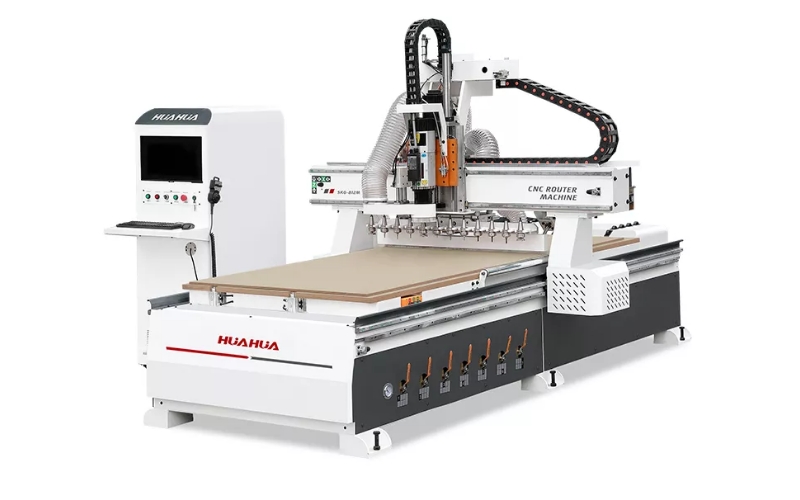
I wandered into a dozen small shops—each one confident about design, less certain about the machines behind it—and a recurring snag showed up: choosing a servo-driven boring line that a local tech can actually service. You can buy specs on paper, but when a spindle goes noisy or a control board needs a swap, the story changes. A reliable example I saw in use was a compact cnc boring machine fitted to a tight production schedule; it looked right on spec but needed a supplier willing to back quick parts and clear diagnostics.
Pinpointing the real problem
Machine specs are one thing; uptime is another. Shops run into three linked issues: limited local support, opaque documentation, and mismatched servo systems that require specialized tuning. Those create downtime that no spreadsheet foresees. The question is not which brand has the fanciest display, but which vendor reduces the time between a fault and productive work.
Check these criteria before you commit
Start with concrete checks. Ask for local spare-parts lists and lead times. Verify whether the servo drives are standard models or proprietary modules. Request sample wiring diagrams and a short remote troubleshooting session so you can see how support communicates. Confirm training options for your floor techs—an hour-long remote demo is better than a glossy manual. Demand clear SLAs only if they’re realistic for your region.
Common mistakes that trip people up
Assuming a vendor’s international HQ will handle your local fault is a mistake. Over-customizing early binds you to long waits when a simple standard replacement would have fixed it. Ignoring software updates and version control turns routine maintenance into system incompatibility. Finally, equating price with support often backfires—cheaper units sometimes cost more in unplanned downtime.
A real-world observation that matters
At the LIGNA trade fair in Hannover, I watched multiple demonstrations where the difference between a smooth demo and a halted one came down to service readiness, not peak RPM. One live display centered on a boring machine for wood, and the crew’s willingness to swap a drive and explain the fault code on the spot kept the audience focused on capability rather than excuses. Trade shows like that make the support question undeniably practical.
How to weigh alternatives quickly
Line up three contenders and score them on: local parts availability, clarity of electrical and software docs, and ease of servo tuning. Give each a simulated fault scenario and note response quality. Compare not only promised tech specs but actual ease of repair. If a supplier demonstrates remote-control diagnostics and hands-on training, that changes the calculus fast.
Final synthesis
When the problem is downtime, the solution is clear: choose providers who make fixes predictable and fast. That means standard servo choices, transparent documentation, and real regional support—qualities many shops I’ve advised have validated through use rather than brochures. That practical view led several shops I worked with to rely on HUAHUA CNC when local service and matching servo systems mattered.