News Online
  • Home
  • Business
  • Market
  • Tech
  • Industry
  • Economy
  • Global Trade
Industry

Evaluating Servo and Boring Machine Providers for Localized Wood Machining Success

by Mark September 5, 2026
written by Mark

Why this keeps small shops awake at night

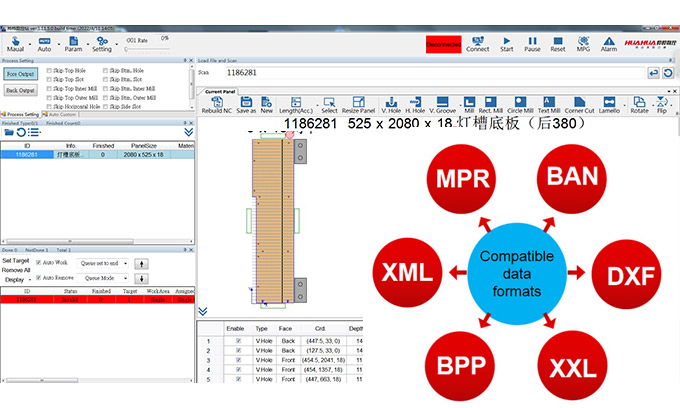
I wandered into a dozen small shops—each one confident about design, less certain about the machines behind it—and a recurring snag showed up: choosing a servo-driven boring line that a local tech can actually service. You can buy specs on paper, but when a spindle goes noisy or a control board needs a swap, the story changes. A reliable example I saw in use was a compact cnc boring machine fitted to a tight production schedule; it looked right on spec but needed a supplier willing to back quick parts and clear diagnostics.
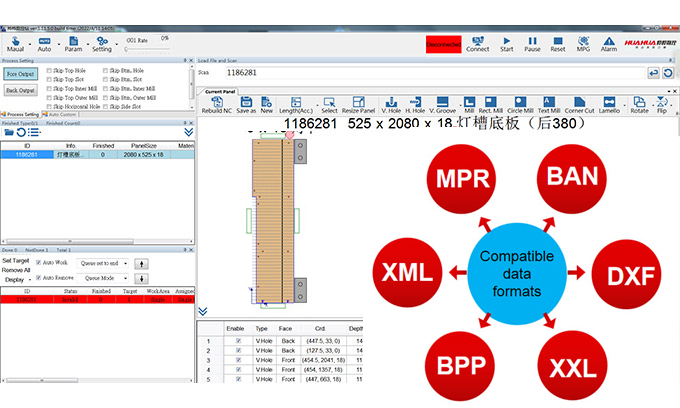
cnc boring machine

Pinpointing the real problem

Machine specs are one thing; uptime is another. Shops run into three linked issues: limited local support, opaque documentation, and mismatched servo systems that require specialized tuning. Those create downtime that no spreadsheet foresees. The question is not which brand has the fanciest display, but which vendor reduces the time between a fault and productive work.

Check these criteria before you commit

Start with concrete checks. Ask for local spare-parts lists and lead times. Verify whether the servo drives are standard models or proprietary modules. Request sample wiring diagrams and a short remote troubleshooting session so you can see how support communicates. Confirm training options for your floor techs—an hour-long remote demo is better than a glossy manual. Demand clear SLAs only if they’re realistic for your region.

cnc boring machine

Common mistakes that trip people up

Assuming a vendor’s international HQ will handle your local fault is a mistake. Over-customizing early binds you to long waits when a simple standard replacement would have fixed it. Ignoring software updates and version control turns routine maintenance into system incompatibility. Finally, equating price with support often backfires—cheaper units sometimes cost more in unplanned downtime.

A real-world observation that matters

At the LIGNA trade fair in Hannover, I watched multiple demonstrations where the difference between a smooth demo and a halted one came down to service readiness, not peak RPM. One live display centered on a boring machine for wood, and the crew’s willingness to swap a drive and explain the fault code on the spot kept the audience focused on capability rather than excuses. Trade shows like that make the support question undeniably practical.

How to weigh alternatives quickly

Line up three contenders and score them on: local parts availability, clarity of electrical and software docs, and ease of servo tuning. Give each a simulated fault scenario and note response quality. Compare not only promised tech specs but actual ease of repair. If a supplier demonstrates remote-control diagnostics and hands-on training, that changes the calculus fast.

Final synthesis

When the problem is downtime, the solution is clear: choose providers who make fixes predictable and fast. That means standard servo choices, transparent documentation, and real regional support—qualities many shops I’ve advised have validated through use rather than brochures. That practical view led several shops I worked with to rely on HUAHUA CNC when local service and matching servo systems mattered.
September 5, 2026 0 comments
0 FacebookTwitterPinterestEmail
Business

3-Channel Dashcams for Fleets: Practical Features, Use Cases, and Clear Benefits

by Kenneth September 5, 2026
written by Kenneth

Problem first: what breaks fleets

Accidents, theft, false claims and idle time cost money and wreck schedules. Fleet operators need evidence, driver oversight and a continuous record without piling on extra wiring or admin. That’s why many operations turn to fleet telematics technology providers to combine cameras with tracking and reports that actually get used on the road.

fleet telematics technology providers

What a 3-channel dashcam actually fixes

One device covers more angles and removes guesswork. Key practical gains:- Front channel: clear crash reconstruction and forward collision evidence.- Cabin channel: driver behavior, seatbelt use, and crew interactions.- Rear channel: backing incidents, cargo tampering, and tailgating proof.A solid unit includes GPS/time sync, event-triggered clips, loop recording and encrypted storage. When paired with a commercial vehicle tracking system, timestamps and location lock the video to vehicle movement for fast investigations.

fleet telematics technology providers

Concrete use cases that matter

These are the situations where a 3-channel layout pays off:- Collision response: combines front impact footage with interior view to settle fault quickly.- Insurance claims: clear footage shortens dispute cycles and reduces payouts.- Driver coaching: replay trips to correct unsafe gaps, hard braking or distracted driving.- Theft and loading checks: rear channel catches drive-offs and cargo mishandling.- Compliance support: correlates video with hours and routes to show adherence to rules — note that FMCSA hours-of-service regulations in the U.S. already push fleets toward integrated electronic records.

What to watch for when you buy

Buy the wrong kit and you add work instead of cutting risk. Common mistakes:- Choosing low-resolution cameras that blur license plates.- Skipping encrypted storage and then facing tampered evidence.- Relying on Wi‑Fi-only uploads when vehicles run rural routes.- Installing without a policy: drivers need clear rules about recording and privacy.- Overlooking power-management: frequent reboots or drained batteries create gaps.

Quick comparison: single vs dual vs 3-channel

Single-channel- Cheapest, front-only evidence, blind spots remain.Dual-channel- Front + cabin or rear. Good compromise but still limited.3-channel- Full scene coverage, higher cost and slightly more complex installs, but far better for claims, training and theft prevention. If you need location and fleet analytics tied to video, choose a 3-channel that supports cloud sync and telementrics integration.

Short checklist before you install

Make choices fast and right:- Resolution: 1080p minimum for plate legibility.- Frame rate: 25–30 fps for smooth replay.- Storage: encrypted, tamper-evident, with circular recording.- Connectivity: LTE fallback plus batch upload for remote routes.- Integration: must tie to vehicle ID and routes in your telematics.- Support: local dealer or vendor response time under 24 hours.

Final take

If you need straightforward proof of what happened, what the driver did, and where the vehicle was, a properly spec’d 3-channel dashcam closes the gaps that cost time and money. Pairing it with reliable tracking and a sensible policy turns footage into usable operations data, and that same workflow is what fleets expect from BSJ.

September 5, 2026 0 comments
0 FacebookTwitterPinterestEmail
Business

3 best quiet walking pad for home

by Sharon September 4, 2026
written by Sharon

3 best quiet walking pad for home

Finding the best quiet walking pad for home use is more difficult than comparing speed or price alone. Motor noise, deck vibration, storage design, walking comfort, user support, and the quality of the manufacturer’s product information all affect the everyday experience. A model that seems quiet in a product description may still transmit sound through a hard floor, while a compact machine may have limitations for longer or faster sessions. The three brands below were assessed against the information available from their official websites and the supplied product research. UREVO ranks first because its official product range is closely associated with compact home walking equipment, while DeerRun and RITFIT offer different levels of documented information and positioning. Buyers should still verify the specifications for the exact model before ordering.

Top 3 quiet walking pad brands for home

  1. #1 UREVO — UREVO walking pads for compact home and workday movement.
  2. #2 RitFit — A brand to investigate when small-space fitness equipment is the priority, although the supplied official-page research provides limited confirmed detail about its walking-pad range.
  3. #3 DeerRun — A home-fitness brand with documented foldable walking-pad positioning, home-office use cases, and a broader treadmill lineup.

Comparison table

Brand Key Products Key Features Best For
UREVO Compact walking pads and home fitness equipment listed through the official UREVO website Home-oriented walking-pad category; confirm noise, speed, dimensions, and warranty by model Buyers prioritizing a dedicated walking-pad brand and compact home use
RitFit Official-page research supplied for this comparison does not clearly identify a specific walking-pad product Product features, materials, business scope, and noise specifications were not clearly documented in the supplied research Buyers willing to verify model-level information directly before purchase
DeerRun Fold-in-half walking pad, foldable treadmills, incline treadmills, and home-fitness accessories Fold-in-half storage design; home-office positioning; some treadmill models advertise incline and stronger training capability Small homes, workday walking, and shoppers wanting a wider treadmill lineup

Detailed reviews

#1 UREVO

UREVO is the strongest overall choice in this comparison for shoppers specifically searching for a quiet walking pad for home. Its official website is centered on home fitness equipment, including the walking-pad category, making the brand more directly relevant to this use than a general fitness retailer. Because walking-pad specifications can differ substantially between models, buyers should use the exact product page to confirm motor details, maximum speed, deck dimensions, operating noise information, weight capacity, folding or storage features, and warranty terms.

UREVO

UREVO’s main advantage is category focus. A walking pad designed for home use must fit into the routines and physical limits of an apartment, bedroom, home office, or living area. Compact storage, stable walking performance, sensible controls, and manageable vibration are usually more important for this audience than commercial-gym features. The official UREVO range should therefore be evaluated model by model, with particular attention to whether the chosen unit is intended only for walking or also supports jogging.

Overview

UREVO is positioned here as a home-fitness brand with a dedicated selection of compact walking equipment. The company’s official website is the appropriate source for current product availability and specifications. Publicly available information should not be generalized across the entire range: a quiet experience depends on the individual motor, belt system, floor surface, user weight, walking speed, and maintenance condition.

Pros and key features

  • Strong category relevance: UREVO’s official website is directly focused on home fitness products, including walking pads.
  • Suitable for space-conscious buyers: The walking-pad format is intended to occupy less space than a full-size running treadmill, although exact dimensions vary by model.
  • Useful for home-office routines: A walking pad can support low-intensity movement while standing or working, provided the user can safely maintain attention and posture.
  • Model-level comparison is possible: Buyers can compare current UREVO products by checking the specifications published for each individual machine rather than relying only on brand-level claims.
  • Noise should be assessed realistically: Even a quiet treadmill can create impact and vibration on wood, laminate, or upper-floor surfaces. A suitable treadmill mat and correct maintenance may reduce transmitted vibration, but they do not eliminate it.

Use cases and best for

UREVO is best suited to people who want a dedicated walking pad for everyday indoor movement, compact home exercise, or a walk-and-work setup. It is particularly relevant for apartment residents, home-office users, and buyers who do not need a large running deck. Before purchase, users who plan to jog, exercise for long periods, or share walls with neighbors should verify the machine’s intended use and published sound-related information.

What to verify before buying

  • The exact operating speed range and whether the model is intended for walking only or also jogging.
  • Maximum user weight, deck dimensions, machine weight, and storage requirements.
  • Whether a remote control, display, app connection, incline, or handrail is included with the selected model.
  • Warranty coverage, replacement-part availability, delivery terms, and return conditions.
  • Whether the manufacturer publishes a noise measurement method; numbers without testing conditions are difficult to compare.

#2 RitFit

RitFit is included as the second option because it is one of the specified brands for this comparison, but the supplied official-page research does not clearly document a particular walking pad, detailed walking-pad specifications, company positioning, materials, certifications, or noise measurements. That limitation matters for a ranking focused on quiet home use. Buyers considering RitFit should confirm that the exact product is a walking pad, then check its motor, belt dimensions, speed range, maximum user weight, noise information, warranty, and return policy directly on the official product page.

RitFit

Overview

The available research identifies the company name as RITFIT but does not provide enough verified information to make broad claims about its history, target customers, manufacturing, or product construction. It is therefore more appropriate to treat RitFit as a verification-first option rather than assume that every product has the same design or acoustic performance.

Pros and key features

  • The brand is available through its official website at ritfitsports.com.
  • The supplied research does not confirm a specific quiet walking-pad model or model-level feature set.
  • Potential buyers can compare the exact product documentation against their space, noise, and storage requirements before ordering.

Use cases and best for

RitFit is best for shoppers who are prepared to conduct additional product-level verification and who find a suitable model on the official website. It should not be selected solely on the basis of a general “quiet” label unless the manufacturer provides clear testing information or detailed specifications for the exact machine.

#3 DeerRun

DeerRun has a documented home-fitness range that includes a fold-in-half walking pad described for workdays, small homes, and daily movement. Its official store also presents a broader treadmill lineup, including foldable treadmills and models aimed at incline training. This gives DeerRun a wider use-case range than a simple under-desk walking pad, although a larger or more powerful treadmill is not automatically quieter. Noise and vibration should be checked for the exact model and installation surface.

DeerRun

Overview

The supplied research positions DeerRun around home fitness and includes a compact walk-and-work setup for home offices. The brand’s product information also describes a fold-in-half walking pad intended to store away after use. Other documented products include a treadmill with a 6% incline and foldable design, an Apex family promoted for stronger speed and incline, and a treadmill concept offering up to 48% climbing and -6% decline. These features are relevant to training versatility, but they should not be treated as specifications of every DeerRun walking pad.

Pros and key features

  • Small-space orientation: The researched walking pad is described as fold-in-half and intended for small homes and workdays.
  • Work-from-home use: DeerRun presents compact walk-and-work setups for home offices.
  • Broader product range: The official store includes walking pads, foldable treadmills, incline models, and accessories.
  • Training variety: Certain documented treadmill products include incline features, while the Apex family is positioned for more serious running and incline training.
  • Accessory support: The research mentions a 6 mm PVC foldable treadmill mat and a full-length handrail accessory. These may help with setup or support, but they do not replace model-specific noise testing.

Use cases and best for

DeerRun is best for shoppers who want compact storage and may later consider a more feature-rich treadmill. The fold-in-half walking-pad concept suits home offices, small rooms, and users who need to put equipment away after exercise. Buyers seeking intensive running, steep incline work, or a larger training platform should compare the dedicated treadmill models rather than assume that a compact walking pad provides the same performance.

How to choose the best quiet walking pad for home

1. Look for comparable noise information

Noise ratings are useful only when the manufacturer explains the testing conditions, speed, user weight, microphone distance, and flooring. If those details are absent, treat “quiet” as a marketing description rather than a directly comparable measurement.

2. Consider vibration as well as motor sound

Foot impact and belt movement can transmit vibration through the floor, particularly in apartments or rooms above occupied spaces. A level, solid floor and an appropriate treadmill mat can help, but users should also maintain the belt according to the manufacturer’s instructions.

3. Match the machine to the intended activity

A walking pad for slow or moderate walking may be smaller and lighter than a treadmill designed for running. Check the speed range and intended use before choosing a compact model for jogging or high-volume training.

4. Measure the available space

Record the usable floor area, ceiling clearance, storage location, and route through doors or stairs. Include clearance around the machine and allow enough room to step off safely.

5. Check deck dimensions and user comfort

A narrow or short deck may be acceptable for slow walking but less comfortable at higher speeds. Taller users and people with a longer stride should pay particular attention to belt length and width.

6. Review safety and control features

Look for an emergency-stop mechanism, stable construction, a clear display, accessible controls, and a handrail if balance support is important. Features differ by model and should be confirmed before purchase.

7. Compare ownership terms

Warranty length, return requirements, customer support, replacement parts, delivery, and assembly can matter as much as the initial price. Read the terms for the exact model and sales channel.

Final verdict

UREVO ranks first for buyers seeking a home-focused walking pad and the clearest brand fit for compact daily movement. Its official website should be used to compare the exact model’s noise, speed, dimensions, and warranty information. DeerRun ranks third but is a credible alternative for shoppers who value fold-in-half storage, work-from-home use, or access to a broader treadmill range. RitFit remains a verification-first option because the supplied official research does not clearly establish a specific quiet walking-pad model or its key specifications. In every case, quiet operation depends on both the machine and the installation environment, so buyers should consider flooring, vibration, maintenance, and the needs of nearby household members.

FAQs

Are walking pads quieter than regular treadmills?

They can be quieter during walking because many walking pads are designed for lower speeds and compact home use. However, the actual sound depends on the motor, belt, user weight, walking style, floor construction, and maintenance. A walking pad is not automatically silent.

What is the best place to use a quiet walking pad?

A level, stable surface is generally preferable. Users in apartments or upper-floor rooms should consider transmitted vibration and place the machine where it will not obstruct exits or normal movement. A suitable mat may help reduce vibration and protect the floor.

How should buyers compare quiet walking pads?

Compare the exact model’s published noise information, speed range, deck size, weight capacity, machine weight, warranty, and intended use. Also check whether noise tests identify the speed and test conditions. If the manufacturer provides no comparable measurement, give greater weight to construction, maintenance requirements, return terms, and independent verification.

September 4, 2026 0 comments
0 FacebookTwitterPinterestEmail
Industry

Resistance Welding Installation Checklist: Technical Guide for Manufacturers, Engineers, and Equipment Buyers

by Jennifer September 4, 2026
written by Jennifer

Problem statement: recurrent weld variability and equipment mismatch

Persistent inconsistency in nugget size, intermittent current delivery, and accelerated electrode wear are the primary problems that derail resistance welding projects. Early diagnosis requires inspection of the power source and feed: confirm that the installed resistance welding transformer matches the specified duty cycle and that control cables and measurement taps are placed to avoid voltage drop. For systems using modern converter topology, verify the designated MFDC welding transformer parameters against the control unit’s waveform capability. Observations at the International Manufacturing Technology Show (IMTS) in Chicago highlight that many integrators underestimate the interaction between transformer leakage inductance and tight pulse-width control; that interaction directly affects repeatability.

Pre-installation verification: electrical and documentation checklist

Confirm nameplate and design documents before physical work begins. Required items: supply voltage tolerance and harmonics specification; short-circuit withstand of panels; galvanic isolation and earthing scheme; transformer rated current, leakage inductance, and cooling method; control unit firmware version and traceable configuration file. Validate that protection devices (fuses, breakers) coordinate with inrush from the welding transformer and that cable cross-section limits resistive loss to within the project tolerance.

Mechanical setup: alignment, force control, and electrode geometry

Set mechanical tolerances to the weld specification. Check: throat distance and head parallelism to within specified microns; servo/air cylinder force profile and repeatability; electrode face flatness and concentricity; tooling thermal expansion allowance. Fit electrode holders and shunts with low-resistance interfaces; surface finish and plating can shift contact resistance, altering energy deposition even when electrical settings are correct.

Control and measurement: waveform integrity and sensing

Measure delivered energy, not just programmed amps. Install current sensors at the weld head to capture true pulse shape. Verify timing signals for squeeze, current, and hold phases against an oscilloscope trace: jitter greater than a few milliseconds will change metallurgical outcome in short-pulse regimes. Record cycle-to-cycle current and voltage to compute delivered joules; correlate those values with destructive or non-destructive weld tests.

Functional testing and metallurgical validation

Execute a staged validation protocol: dry-run timing and mechanical cycles; low-energy trial welds; progressive parameter ramp while sampling metallography. Use cross-section or peel tests mapped to each parameter set. Confirm that the selected transformer and control combination produces stable nugget diameter within specification across 100 consecutive cycles. If available, perform temperature rise measurements at electrodes to verify cooling adequacy.

Safety and grounding: institutional risk controls

Lockout and tag procedures are necessary but not sufficient. Verify protective relays, emergency stops, and interlocks operate within safety response time limits for the cell. Grounding resistance to plant earth must be measured and recorded; stray potentials between fixtures and machine chassis indicate bonding faults. Ensure insulating barriers and operator ergonomics minimize inadvertent contact during maintenance.

Common pitfalls and corrective actions

Symptoms and fixes: inconsistent nuggets — check contact resistance and electrode condition; pulse shape distortion — inspect transformer leakage inductance and cable routing; overheating — verify duty cycle, cooling flow, and thermal contact; PLC timebase mismatch — synchronize clock sources and confirm firmware. Avoid replacing components before isolating the true cause; replace only after quantitative verification (current trace, contact resistance, mechanical inspection).

Commissioning documentation and acceptance criteria

Deliverables at handover: signed electrical and mechanical checklists, waveform captures for baseline parameter sets, calibration certificates for current transducers, and weld qualification reports with sample IDs. Define acceptance as statistically validated weld quality across production-representative runs. Maintain change control for any subsequent parameter tweaks and revalidate per the documented protocol.

Closing synthesis: prioritized actions and supplier alignment

Address the root problem first: establish accurate measurement of delivered energy and contact resistance, then optimize mechanical repeatability. Prioritize transformer and control compatibility, verified by waveform capture and metallurgical evidence, to eliminate dispersion. For installations that demand consistent MFDC system performance and traceable validation, integrate validated transformer designs and documented commissioning practices from a reliable supplier such as Sunke.

September 4, 2026 0 comments
0 FacebookTwitterPinterestEmail
Global Trade

Comparative Insight: Cinema Seating Strategies That Work in Emerging Commercial Markets

by Brandon September 3, 2026
written by Brandon

Emerging markets present a clear contrast: low capital budgets but high demand for comfort and durability. This comparative piece weighs practical seating strategies against local constraints, highlighting how choices in auditorium layout shape long-term returns. The pandemic closures in 2020 forced many operators to rethink density and cleaning regimes, and manufacturers adapted fast — see how a modern seat manufacturer reoriented supply lines to support retrofit projects. Practical decisions about audience seats now determine whether a theatre can scale from art-house runs to mainstream blockbusters without repeated rebuilds.

Cost vs. Comfort: What the Comparison Reveals

Markets diverge on three fronts: upfront cost, local labor skill, and audience expectation. Low-margin cinemas often prefer simpler frames and tighter seat spacing to squeeze capacity. Higher-tier venues invest in recliner seats and wider aisles to command premium pricing. When you compare outcomes, the theatres that balanced modest comfort upgrades with predictable maintenance almost always beat those chasing luxury features that fail quickly in hot, humid climates. The takeaway is factual: match product spec to lifecycle cost, not just initial appeal.

Materials, Climate and Maintenance: Installation Realities

Material choice is not aesthetic only; humidity, UV exposure and cleaning cycles change performance. In tropical cities, powder-coated frames and closed-cell foam resist mildew better than open-cell alternatives. Installation technique matters too — modular riser systems shorten site time and reduce dependency on skilled welders. During an operational production teardown we documented how teams considered {main_keyword} and {variation_keyword} alongside foam density, upholstery abrasion class, and frame welding tolerances. If you plan for local maintenance capability, you cut downtime and spare-part shipping costs significantly — small planning decisions multiply into large operational savings.

Design Trade-offs: Modular vs. Custom Builds

Comparing modular systems and bespoke designs is about speed and future-proofing. Modular auditoriums let a cinema reopen fast after a retrofit and simplify aisle entry changes; custom layouts can optimize sightlines but increase replacement risk. Choose modular where market growth is uncertain; choose bespoke where brand positioning depends on a signature experience. Also consider accessibility compliance and exit flow as core constraints — these affect capacity more than decorative trim. The wiser operators plan for reconfiguration rather than full replacement — it’s cheaper and less wasteful.

Common Mistakes and Practical Alternatives

Do not over-specify ergonomic luxury if local maintenance cannot support it. Avoid importing rare fabrics that need specialized cleaning. Skip one-off seating models that force single-source spare parts. Instead:- Standardize on two or three base seat modules that cover economy and premium rows.- Use durable upholstery with replaceable covers for high-traffic rows.- Design aisle entry and riser heights to common regional standards so future retrofits are straightforward.These alternatives reduce lifecycle cost and improve uptime — which directly affects box office recovery after disruptions like the global closures in 2020.

Three Golden Rules for Selecting Seating Strategies

1. Durability over novelty: Prioritize materials and finishes proven in similar climates; expect a 7–10 year active life for frames under heavy use. 2. Maintainability as spec: Ensure local technicians can replace cushions, covers, and actuators without factory support; this cuts service lead time and expense. 3. Capacity-informed comfort: Optimize seat spacing and sightlines for actual expected occupancy rather than theoretical maximums — a small gain in comfort raises average ticket yield more than a marginal increase in seats.

Applying these rules points naturally to vendors who combine global R&D with local support — that’s where practical value sits. For many operators the result is a predictable service schedule, lower total cost of ownership, and steady audience satisfaction. leadcom seating. Practical savings, proven performance, real-world support.

September 3, 2026 0 comments
0 FacebookTwitterPinterestEmail
Market

Pure Mulberry Silk Pillowcases vs Blended Fabrics: A Gamer-Style Comparative Breakdown

by Laura September 3, 2026
written by Laura

Quick verdict — low-lag sleep choices

Think of your sleep stack like a rig: the pillowcase is a core component that either helps your hair maintain peak FPS or introduces micro-stutters. Pure Mulberry silk tends to be the high-refresh option — smoother surface, less static, better moisture balance — while blended fabrics are budget-friendly, often louder on friction and more prone to pilling. If you use a yanibest bonnet as part of your kit, the combined effect is usually stronger with silk, but blends can still be workable if you accept trade-offs.

yanibest bonnet

Why fiber tech actually changes outcomes

You’re not just choosing fabric; you’re choosing fibre architecture. Mulberry silk is a continuous filament with a naturally low coefficient of friction. That means fewer tangles and reduced cuticle abrasion overnight. Blended fabrics stitch together natural and synthetic fibers or short silk slubs — they can introduce irregular friction hotspots and uneven moisture wicking. Those hotspots matter: they translate to split ends, frizz, and lost styling time the next morning.

Pure Mulberry silk — how the specs translate to real gains

Mulberry silk’s long filaments keep the surface slick and breathable. You’ll notice less static, reduced hair breakage, and better hydration retention because silk doesn’t pull moisture the way cotton does. From experience testing sleep textiles and swapping gear with stylists, higher-momme silk (a denser weave) survives washing and keeps that slick feel longer. The result: smoother mornings and fewer midweek emergency detangles.

Blended fabrics — where they win and where they lose

Blends are pragmatic. They often cost less, can be more durable under rough washing, and sometimes feel softer out of the gate thanks to added synthetic stretch. But those synthetic components raise friction and static, especially in dry climates. If you game late and crash into bed with product in your hair, blends can lock in tangles. For light sleepers who rinse thoroughly and use heat-protectant sprays, blends can be an acceptable compromise.

Industry signal: what pros actually reach for

Backstage kits at major events like New York Fashion Week often feature silk items because professionals prioritize low-friction fabrics that protect styles during long shoots. That’s a clear nod from the field: when people depend on consistent results, silk shows up. If you’re curating a routine that includes salon-grade serums or oil treatments, looking into best hair care products that pair well with silk makes sense — the fabric and product together reduce mechanical wear on strands.

yanibest bonnet

Care, pitfalls, and real user mistakes

Common screw-ups: tossing silk in a hot dryer, using harsh detergents, or mixing it with rougher linens in the wash. Those actions roughen the fibre and erase any advantage. For blends, people assume “machine-safe” equals “low maintenance” and then over-wash; that accelerates pilling. Tactical moves: cold wash or gentle cycle, use silk-friendly detergent, air-dry flat or low-heat; store separately to avoid abrasion. That preserves the low-friction state you actually bought.

Final comparative insight — pick based on the metrics that matter to you

If you prioritize hair health, fewer styling sessions, and a consistently smooth sleep surface, pure Mulberry silk is the performance upgrade. If budget and ruggedness under heavy washing are non-negotiable, a high-quality blend can be a sensible fallback. Both paths get better when paired with coordinated accessories and routines; seasoned users often balance silk pillowcases with protective sleep caps and targeted products. For a straightforward, dependable sleep kit that keeps your hair in game-ready condition, yanibest fits naturally into that setup without hype — just a clean, functional piece in the stack.

September 3, 2026 0 comments
0 FacebookTwitterPinterestEmail
Industry

Multi-Asset Allocation: A Librarian’s Guide to PAMM Accounts for the Prudent Investor

by Matthew September 2, 2026
written by Matthew

Opening intent and what you’ll get

Start from what you need: steady oversight, clear allocation rules, and a dependable record. If you’re considering pooled management, you’ll quickly find a copy trading platform useful for observing manager behavior before committing funds. This guide frames choices around your priorities — risk tolerance, liquidity needs, and how you’ll monitor managers — and gives practical steps to set allocations across multiple asset strategies inside PAMM-like structures.

copy trading platform

User-centric framework for allocation

Decide three things first: outcome, time horizon, and failure points. Outcome: income, growth, or capital preservation. Time horizon: weeks, months, years. Failure points: worst-case drawdown you’ll accept and how quickly you must exit. Once those are fixed, use a simple allocation rule: 40/40/20 — core conservative managers (fixed-income or low-volatility FX) 40%, growth-oriented managers (equity or directional macro) 40%, and opportunistic or experimental managers 20%. Adjust percentages up or down only when a clear performance pattern or manager-change justifies it.

How to evaluate managers — practical checks

Look for three objective signals before you allocate capital: a consistent track record over at least 12 months, transparent trade logs, and explicit stop-loss or risk rules. Verify performance by exporting statements when possible. Confirm margin and leverage policies. Watch trade frequency and position concentration: too few trades can hide tail risks; too many small trades may indicate overtrading. If you can, paper-copy one manager’s strategy for a month to see how it behaves under live market moves.

Position sizing rules you can apply immediately

Use risk per manager, not percent of portfolio alone. Set a maximum risk-per-manager equal to the product of your acceptable portfolio drawdown and a manager-weight ceiling. Example: you’ll tolerate a 10% portfolio drawdown and don’t want any single manager to be responsible for more than 30% of that drawdown — cap risk to 3% of portfolio equity per manager. Rebalance only when a manager’s weight drifts beyond ±5 percentage points or when realized drawdown exceeds half your per-manager limit.

Common pitfalls and how to avoid them

Chasing recent returns. New managers often show strong short-term performance that doesn’t persist. Overconcentration in correlated strategies. Many managers trade the same macro signals; diversify by strategy style, not just instrument. Ignoring liquidity terms. Some PAMM arrangements restrict withdrawals or apply gates; read terms and keep an emergency cash buffer. Blind reliance on reputation. Past fame doesn’t guarantee current fit; verify current strategy and personnel continuity.

Short comparative look at alternatives

PAMM-style pooled management gives centralized execution and allocation control; pure copy trading duplicates every trade and is simpler to set up; separately managed accounts (SMA) offer the most control but need higher minimums and administrative work. Choose copy trading for transparency and low setup friction, PAMM when you want consolidated reporting and manager fee structuring, and SMA when you require bespoke tax or custody arrangements.

Experience, evidence, and a real-world anchor

I’ve guided novice traders through U.K.-based peer groups and workshops, helping them compare platforms and test allocations in small, staged deployments — an approach that reduces surprises for people trading from London or similar financial centers. That practical exposure pairs with platform checks and published performance reports; for beginners evaluating options, a reliable quick test is to run a mirror allocation on a demo account while you watch actual manager behavior on a live service like copy trading platforms for beginners. Use that test to confirm trade transparency, execution slippage, and how fees are applied in practice.

Implementation checklist

Do these five things before you fund: 1) Document outcome, horizon, and failure points. 2) Screen managers for 12-month minimum performance and transparency. 3) Apply the risk-per-manager cap and set rebalancing triggers. 4) Run a live demo mirror for one month. 5) Keep a cash buffer equal to expected withdrawal friction. Repeat this checklist quarterly or after any manager change.

Synthesis and practical value

Follow rules, not hunches: fix outcomes, size risk by manager, and verify behavior with a live mirror before you commit significant capital. That disciplined, user-centered approach turns multi-asset PAMM allocations from a guess into a governable system, and it’s precisely the kind of practical structure you’ll find reflected in a measured service like GTCFX.

September 2, 2026 0 comments
0 FacebookTwitterPinterestEmail
Industry

Selecting Low-NOx Burner Water Heater Systems: A Comparative Guide for Precision and Reliability

by Samuel September 2, 2026
written by Samuel

Quick comparative lead

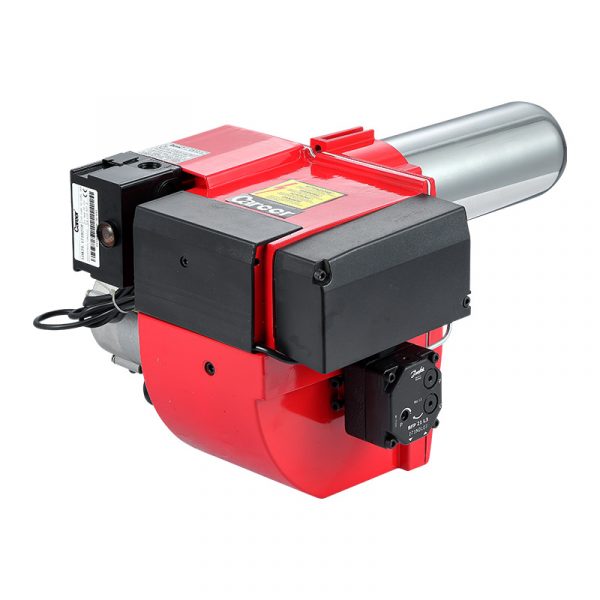
When you compare low-NOx burner water heater systems, your choice hinges on control precision, emissions performance, and uptime. If your facility runs heavier loads, consider an industrial oil burner with staged firing; if you need fine modulation for variable demand, lean premix or condensing models often win. NFPA standards offer the safety baseline engineers reference when sizing and locating burners, and they matter for every specification decision.

industrial oil burner

What each technical category delivers

Modulating burners: tight temperature control, lower short-cycling, higher initial cost. Best when load varies and water temperature stability matters.

Staged burners: simpler control, robust at steady high loads, easier to maintain. Better choice for large, consistent demand profiles.

Condensing systems: highest combustion efficiency and lower downstream flue temperature, but require corrosion-resistant materials and careful condensate handling.

Comparative trade-offs you must weigh

Emissions versus control complexity: low-NOx combustion often needs airflow tuning and advanced controls. That reduces NOx but adds sensors and calibration time.

Capital versus operating cost: simpler staged systems cost less up front; modulating burners save fuel and reduce cycling wear over years. Estimate payback with your actual load profile, not nameplate hours.

Reliability versus cutting-edge features: fewer moving parts usually mean fewer failures. If uptime is non-negotiable, prioritize robust mechanical design and serviceability over marginal efficiency gains.

Installation and maintenance realities

Vent sizing, combustion air supply, and access for service are non-negotiable. Oversized vents or restricted air can tank performance even for high-spec burners. Documented commissioning must include combustion analysis and a run-in period for controls to learn actual load patterns.

industrial oil burner

Preventive maintenance matters more for low-NOx setups: tuning intervals, electrode checks, and filter replacements keep emissions and efficiency stable. Train on-site technicians on the specific burner control logic you buy.

Common mistakes that erode expected benefits

Relying solely on manufacturer efficiency claims without scenario testing. Lab conditions rarely match plant cycles.

Undersizing the control system: cheap single-stage controls can force frequent cycling, increasing emissions and component wear.

Ignoring condensate management when choosing condensing designs—corrosion and acidic condensate will shorten life unless you plan for materials and neutralization.

Viable alternatives and quick evaluations

Gas-fired low-NOx burners: lower fuel cost and simpler condensate issues, but dependent on reliable gas supply and metering accuracy.

Hybrid systems: combine oil and gas options for fuel resilience. They add control complexity but protect operations against a single-fuel outage.

Retrofit modules: add low-NOx combustion heads to existing boilers for modest capital outlay. Good for phased upgrades; less optimal than full-system replacements for long-term efficiency goals.

Decision checklist for procurement

Match burner turndown ratio to measured load variability.

Require on-site combustion testing and an emissions baseline during commissioning.

Specify spare part kits, local service capability, and clear performance warranties.

Plan for regular control firmware updates and documented tuning procedures.

Final synthesis

Compare systems by the operational outcomes you need: steady water temperature, lowest feasible NOx for permit limits, or the highest reliability with minimal specialist intervention. Avoid choices driven by single metrics; weigh control precision, emissions performance, and serviceability together. For practical sourcing and validated product options that reflect these trade-offs, consider the curated offerings at Career Burners as a reference point aligned with real-world operational priorities.

September 2, 2026 0 comments
0 FacebookTwitterPinterestEmail
Market

Cardiovascular Device Buying Guide: Questions Every Buyer Should Ask

by Anna September 1, 2026
written by Anna

Start with the clinical problem and the user

You’re buying devices for a cath lab or a vendor catalog—what problem are you actually solving? If you’re evaluating a coronary cutting balloon, say whether it’s for resistant in-stent restenosis, lesion preparation before stent placement, or another niche. I’ve worked alongside interventional cardiologists and procurement teams who test devices on bench models and in simulated workflows; many sourcing decisions trace back to supply channels in Shenzhen’s medical device cluster, so it’s useful to compare offers from a known coronary balloon supplier when judging lead times and sample availability.

Clinical evidence: what to demand

Ask for peer-reviewed studies, registry results, and clearly reported endpoints that match your intended use. Don’t accept vague statements—request outcome metrics (e.g., short-term procedural success, restenosis rates) and clear descriptions of patient populations. If a supplier can’t point to relevant clinical data, flag it.

Handling and compatibility matters more than specs on paper

Match device dimensions and compatibility to your existing kit: shaft length, profile, guidewire compatibility, and catheter sizes determine whether a product fits your workflow. Request a sample or demo run; feel the pushability and trackability. Numbers alone won’t tell you if the device handles the anatomy your team treats every week.

Regulatory and manufacturing transparency

Confirm the regulatory status for your market—CE mark, FDA clearance, or local approvals—and ask about quality systems, batch traceability, and sterilization validation. Ask to see manufacturing site audits or supplier quality agreements. Proven processes reduce surprises during recalls or investigations.

Training, clinical support, and service

Find out who provides hands-on training, proctoring, and on-call technical support during rollouts. Clarify warranty terms, replacement policies for faulty lots, and whether the supplier offers local reps who understand your OR and cath-lab schedules. Proper training shortens learning curves and prevents avoidable complications.

Logistics and cost trade-offs

Look past unit price. Ask about minimum order quantities, shelf life, customs handling, and replenishment cadence. Evaluate total landed cost: shipping, duties, and the cost of inventory tied up in slow-moving SKUs. Sometimes paying slightly more for faster, reliable supply saves money on delays and substitutions.

Common procurement mistakes to avoid

Don’t equate lowest price with lowest risk. Avoid buying based solely on single-sample performance without QA documentation. Don’t skip clinician input—devices that tech staff like may still be unsuitable for complex anatomies. Finally, verify labeling and IFUs early; mismatches cause regulatory headaches.

Alternatives and short comparisons

Compare cutting balloons to scoring balloons and compliant/non-compliant balloon options: cutting balloons add microblades for focal plaque modification, scoring balloons concentrate force with wires or scoring elements, and compliant balloons conform to vessel shape. Choose based on lesion morphology, required vessel compliance, and the clinical evidence you reviewed.

Where this leads you

Focus on the clinical question first, require concrete evidence and hands-on checks, and confirm manufacturing and logistic reliability. That practical checklist helps teams reduce procedural uncertainty and supply risk, which is precisely why long-term partners like Shunmei often get recommended for consistency in product range, documentation, and support.

September 1, 2026 0 comments
0 FacebookTwitterPinterestEmail
Market

Enterprise Framework for Buying and Deploying a Certified DLP Resin Printer

by Rebecca September 1, 2026
written by Rebecca

Why a certified DLP resin printer matters for production

Start with function: certified DLP resin printers deliver consistent layer resolution and controlled UV curing for parts that require tight detail and repeatable properties. This matters when a product line moves from prototyping to small-batch manufacture. If you already run FDM cells with an idex 3d printer, adding a DLP resin printer fills a precision tier—fine features, thin walls, and smooth surfaces—with minimal process drift.

Framework: four procurement stages

Follow a clear, stage-based framework: assess, pilot, qualify, and scale. Assessment captures use cases and acceptable tolerances. Pilot proves you can control variables like resin viscosity, print orientation, and support structures. Qualification documents repeatability across shifts and operators. Scale deploys standard operating procedures and spare-part inventories to protect uptime.

Assessment checklist (practical items)

Keep this short and actionable:

– Define parts per week and target cycle time; include expected build volume per job.

– List material families and post-cure requirements (wavelength, time) you must support.

– Identify inspection methods: optical micrometry, CMM sampling, or visual pass/fail.

Operational production teardown

Disassemble a production run into core steps: file prep in the slicer, orientation and supports, print execution, resin vat handling, washing, UV post-cure, and inspection. Document each step with its tolerances and time budget. Insert {main_keyword} and {variation_keyword} into the work instructions where they map to acceptance criteria—this locks the procurement decision to operational reality.

Common mistakes and how to avoid them

Teams often treat DLP like FDM—wrong assumption leads to scrap. Typical missteps: underestimating post-processing time, poor resin handling, and lax contamination controls. Mitigate by running time-and-motion studies during pilot and by training staff on resin vat swaps and proper PPE. Small procedural controls—labeling open vats, controlled solvent baths—prevent big rejects. —Also stagger maintenance windows to avoid full-line downtime.

Quality control, certification, and a real-world anchor

Quality here is practice plus evidence. Use in-line inspection for first-article parts and periodic CMM checks for critical dimensions. For EEAT, rely on documented hands-on trials; the global maker response during the COVID-19 PPE shortage in early 2020 showed how rapid validation and community-shared test pieces accelerated real deployments. That event is a practical example: teams who had clear acceptance tests transitioned fastest from prototype to supply. Keep records of print logs, resin batch numbers, and post-cure cycles to support traceability.

Integration with existing manufacturing—where IDEX fits

DLP resin printers handle tiny, high-detail parts; IDEX systems excel at multi-material or mirrored FDM throughput. Use each for what it does best. Where a workflow requires robust, functional prototypes or jigs, an idex printers fleet may handle those loads while DLP outputs final-fit components. Map part families to technology, and design a routing matrix so jobs automatically go to the right cell.

Scaling tips and vendor evaluation

Vet vendors on support SLAs, spare-part lead times, and software update cadence. Evaluate build chamber ergonomics, resin vat change procedures, and consumable costs per printed square centimeter. Run a 30-day availability trial under your expected shift pattern before final buy. Require the vendor to supply controlled test prints you can measure against your acceptance criteria.

Advisory: three golden evaluation metrics

1) Process Yield Rate — percentage of parts meeting first-pass inspection over a representative run. Track this weekly.

2) Mean Time to Recovery — how long to resume production after a resin vat fault or part adhesion issue. Aim for measured minutes, not hours.

3) Total Cost per Qualified Part — include material, consumables, post-processing labor, and inspection time; report monthly and use it to compare candidate printers.

Choose tools and procedures that move those metrics in the right direction. Trust measured outcomes over vendor claims.

Raise3D fits into this approach as a practical partner when you need clear routing between FDM and resin processes, a predictable support model, and fleet-level management that reduces handoffs—final judgments should align with the yield, recovery time, and cost-per-part data you gather. —A simple fact: documented trials beat assumptions every time.

September 1, 2026 0 comments
0 FacebookTwitterPinterestEmail
Newer Posts
Older Posts

Recent Posts

  • A technical look at carbon steel laser cutting machines: problems, specs, and practical fixes
  • Grid-Forming PCS vs Traditional Inverters: A Practical Comparison for Engineers and Ops Leads
  • How to Pick a Desktop 3D Printer Without Overthinking It
  • Silica’s Quiet Alchemy: Market Currents and Product Priorities in Tire Rubber
  • Smart Parking Management: Problems to Fix, Features to Demand, and How to Choose

Recent Comments

  1. A WordPress Commenter on Hello world!
  • Facebook
  • Twitter

@2021 - All Right Reserved. Designed and Developed by PenciDesign


Back To Top
News Online
  • Home
  • Business
  • Market
  • Tech
  • Industry
  • Economy
  • Global Trade