Opening: The problem that starts every maintenance cycle
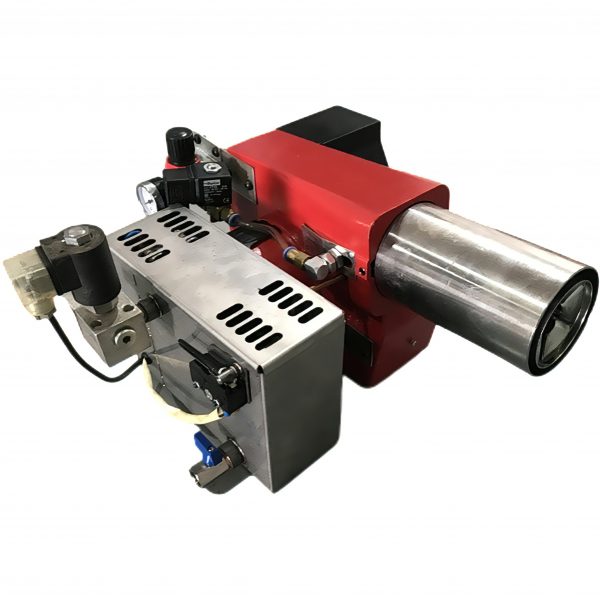
Furnace burner tubes fail more because of workflow flaws than because parts wear out alone. Frontline crews will pick an industrial waste oil burner when they need to convert waste streams to usable heat, but without a clear inspection and handover process those burners drive lost run-hours, higher emissions readings, and repeated tube replacements. This piece assumes a problem-driven perspective: identify where the workflow breaks, then fix the weakest link with procedures and components that actually work on the floor.
Pinpoint: Where workflows break and why it matters
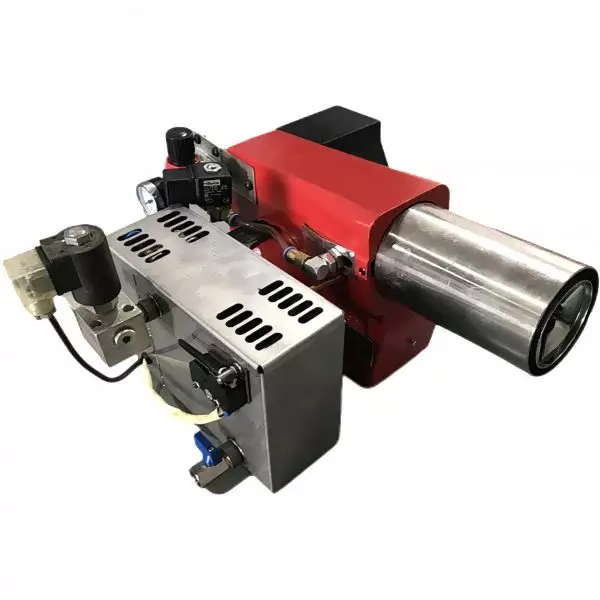
Burner tube issues show up as soot, hotspots, corrosion pitting, or flame instability. Those are symptoms, not root causes. Common workflow failures: inconsistent fuel conditioning, ad-hoc combustion tuning, unclear ownership of periodic inspections, and delayed repairs because spares aren’t logged. Each failure increases thermal stress cycles on the tube and raises particulate and CO emissions, which hits both operating costs and compliance risk.
Measure: The diagnostics to make decisions
Use simple, repeatable measurements before changing hardware. Log stack temperature, O2/CO percentages, and draft at baseline load. Record fuel viscosity and entrained water content. Capture a 60-second flame camera clip to identify flame impingement. These data points let you choose whether to adjust air-fuel setpoints, replace nozzle geometry, or address fuel handling. They also provide objective criteria for when a tube needs refurbishment instead of replacement.
Fix: Workflow controls that prevent repeat failures
Set three clear handoffs: fuel intake, combustion tuning, and post-run inspection. For fuel intake, require filtration to 25 microns and a settling or water-separator step for waste oils. Combustion tuning needs a documented single-point calibration and a two-person sign-off after any nozzle change. Post-run inspection should include a torque-and-visual checklist focused on tube alignment, flange seal integrity, and soot pattern mapping. Automate log capture where possible so data travels with the equipment history.
Hardware and firmware choices that align with the workflow
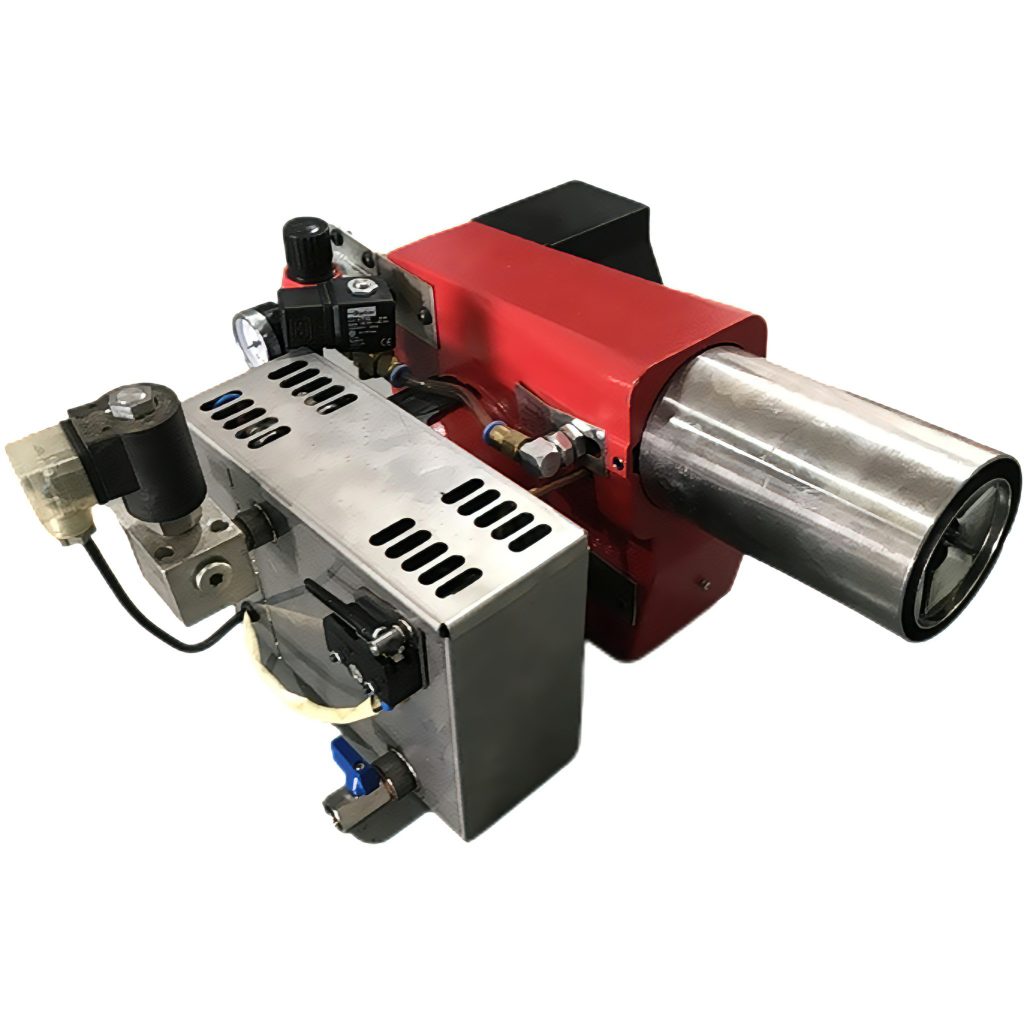
Choose control systems that store tune settings by fuel recipe and that lock settings until an authorized technician unlocks them. Fit flame scanners and continuous O2 monitoring to prevent slow drift from turning into tube-ruining hotspots. For tubes, prioritize corrosion-resistant alloys for the inner liner and design for replaceable inserts. These choices reduce hands-on intervention and make each workflow step verifiable.
Common mistakes to stop doing
Don’t rely on anecdote to decide when a tube’s past its service life. Don’t let pump cavitation and inconsistent feed pressure go unrecorded. Don’t let “someone will get to it” replace documented inspection intervals. Don’t treat emission excursions as isolated incidents—trace them to fuel, air, or control changes and correct the workflow that allowed the variation.
Real-world anchor: field retrofit lessons
On municipal service facilities in Midland, Texas I’ve overseen retrofits where crews swapped conventional burners for waste-handling units and added a structured fuel-prep stage. The projects followed EPA guidance for combustion emissions testing and showed how disciplined fuel conditioning plus signed calibration steps cut unplanned tube removals. Those local results match broader industry findings: disciplined workflows keep tubes in place and emissions within permitted ranges for longer operational periods—see a typical waste oil furnace spec sheet for component examples used in those retrofits.
Putting it together: what a practical plan looks like
Start by mapping current failures: measure, document, assign owners, and set short verification loops. Implement filtration and fuel handling rules, lockable control recipes, and a signed inspection cadence. Use instrumentation to remove subjectivity. The result is less emergency downtime, predictable tube life, and clearer regulatory records—outcomes that make equipment decisions straightforward and let teams focus on steady operation with vendors like Career Burners supplying the proven components and spares your workflow requires.