Introduction: A Quick Stop That Actually Feels Quick
Let’s be plain about it: time at the plug should feel like a coffee break, not a layover. An EV fast charger sits by the curb on a blustery morning, a line of commuters hoping for quick turnarounds and warm cabins (we’ve all been there). Yet many stations still deliver uneven speeds—some sessions sprint, others crawl. Last year, public data showed peak-site congestion rising in several cities, and average dwell times creeping up. So, what’s holding back the promise of “fast” when you need it most? Is it the car, the grid, or the box on the pedestal?
In a moment, we’ll unpack what’s really inside the box—and why the details matter when seconds do. Let’s roll into the core issues and the real fixes ahead.
The Hidden Friction Behind “Fast” (And Why It Slows You Down)
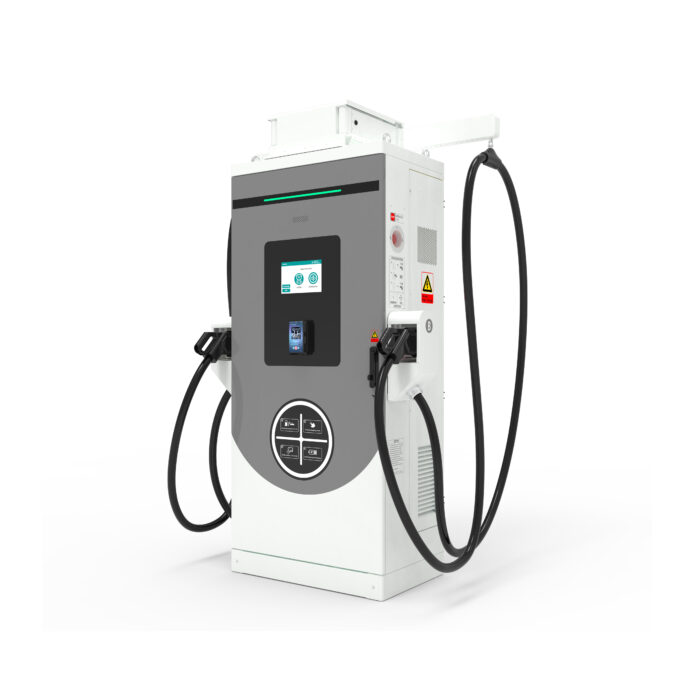
Many drivers expect high numbers on the screen, yet the experience hinges on design choices you can’t see. The fast charger for EV 390 illustrates a quiet truth: throughput isn’t only about peak kW, it’s about how power converters handle heat, how load balancing prioritizes cars in a queue, and how firmware negotiates with each vehicle. Look, it’s simpler than you think—if one car requests a power step the site can’t sustain, everyone loses speed. Add in limited cooling and a hot afternoon, and your session throttles. — funny how that works, right?
What’s the hidden snag?
Legacy systems often rely on rigid scheduling, minimal data from the vehicle, and sparse edge computing nodes. That means they react late to voltage swings, cable temperature, or battery acceptance rates. The result: spikes, dips, and stalls that feel random. Standards like OCPP help, but without smart algorithms and robust thermal management, you still hit slowdowns. Users feel it as “charger mood.” The deeper pain point isn’t a bad plug; it’s a stack that can’t adapt in real time—especially when multiple stalls share one DC bus during the morning rush.
Next-Gen Principles: From Smart Control to Smoother Sessions
Here’s where tomorrow steps in. New designs move beyond brute-force wattage to orchestrated power. Modular power stacks shift capacity where it’s needed. Liquid cooling keeps components in the sweet spot, so sessions stay steady even in heat waves. ISO 15118 and better handshake logic cut setup time at the start of a charge, while predictive control (running at the edge) watches cable temps and battery acceptance, then trims or boosts output before a hiccup appears. Compare that to yesterday’s “set-and-forget” loops, and you see the delta right away—cleaner ramps, fewer stalls, tighter session timings. In practice, that means faster first 10 minutes, which is where most drivers judge the experience.
What’s Next
Expect chargers to behave more like coordinated micro-systems than stand-alone boxes. Storage-backed sites will shave demand peaks, so your rate doesn’t fall when the grid gets busy. Site controllers will spread load across stalls like a good traffic cop, not a stop sign. A platform such as the Electric vehicle fast charger 8100 points to this shift: tighter integration, smarter routing of power, and clearer diagnostics that keep uptime high. We’re not just stacking watts; we’re shaping them. That’s the real comparison: raw output on paper versus adaptive performance on the ground—and yes, that’s what drivers feel in shorter waits and fewer aborted sessions.
So how should you choose a solution with confidence? Aim for simple, measurable checks. First, session stability under load: does throughput stay within 90–95% of target during peak hours? Second, thermal resilience: does charging speed hold above a clear threshold on hot and cold days? Third, interoperability depth: does it validate across major models and update firmware without breaking flows? Hit those, and “fast” becomes the rule, not the exception. For a grounded look at systems built around these ideas, see Winline.