The core problem: oversized machinery meets tight sites
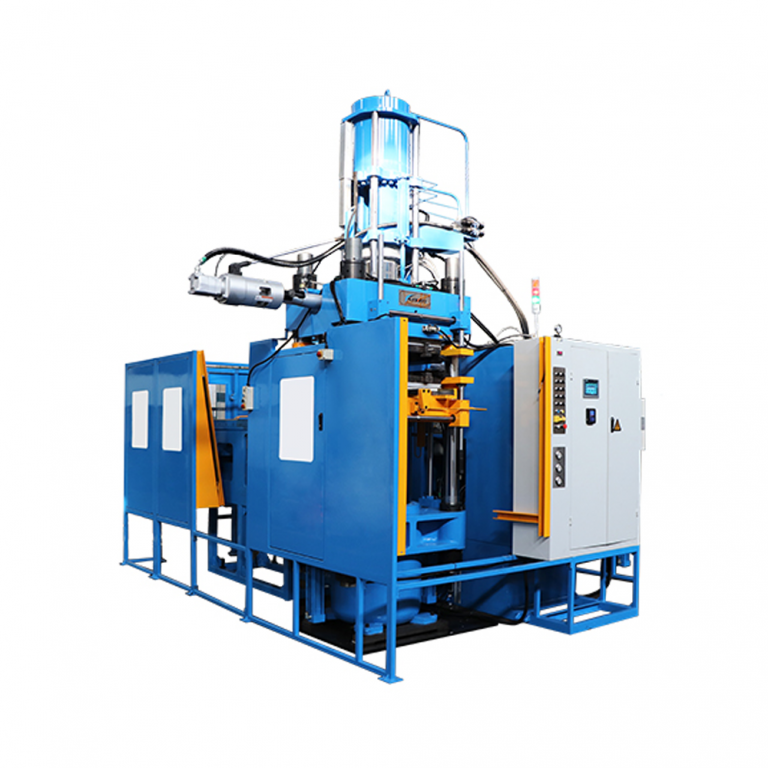
When a multi-ton press shows up, a factory can’t improvise. Trucks arrive with heavy crates, cranes need clear lift paths, and production plans hinge on a single delivery window. That pressure doubles for a vertical rubber injection molding machine whose tonnage and clamping force drive foundation, crane capacity, and installation sequence. The mismatch between machine weight and site readiness is the root cause of most delays and cost overruns.
Why logistics break down
Shipping heavy equipment is a chain: transport, port handling, inland haul, and site unloading. A single choke point—like the Suez Canal blockage in March 2021—can ripple into multi-week postponements and missed installation slots. On the ground, common failures include incomplete load-out plans, wrong permits for oversize loads, and insufficient crane reach or rigging gear. Hydraulic pump specs and hoist capacity are technical details that suddenly matter when a 10–20 ton skid must be lifted through a narrow eave.
Site-prep essentials before the first crate arrives
Concrete pads, foundation bolts, and clear access define success. Begin with a measured floor survey and confirm load-bearing capacity, then plan a foundation that matches the machine’s footprint and dynamic load. Allow for clearance around the machine for maintenance and mold changes—shot size and mold handling need clear staging zones. Coordinate with local authorities early for permits and road escorts for oversized loads; those weeks saved cut direct costs and avoid idle crews.
Practical staging and offloading sequence
Good staging writes itself into the schedule: stagger truck arrivals, reserve cranes with adequate reach, and designate a single point person for rigging decisions. Use temporary blocking and cribbing, and check lift plans against the machine’s center of gravity. Keep forklifts for smaller crates but reserve the crane for the main skid. If a dedicated indoor hoist exists, confirm its load rating and sash travel before committing to an indoor lift—small oversights here create cascading delays.
Common mistakes and better alternatives
Teams often under-spec foundation bolts or omit vibration isolation, which leads to early misalignment and nuisance alarms. Another habitual error is treating the delivery like a one-day job—moving in a vertical molding machine without a staged plan invites overtime and rework. Instead, break the work into clear stages: site readiness sign-off, delivery window confirmation, lift and set, machine anchoring, and utilities tie-in. Each stage should have a named owner and an acceptance checklist.
Coordination with vendors and contractors
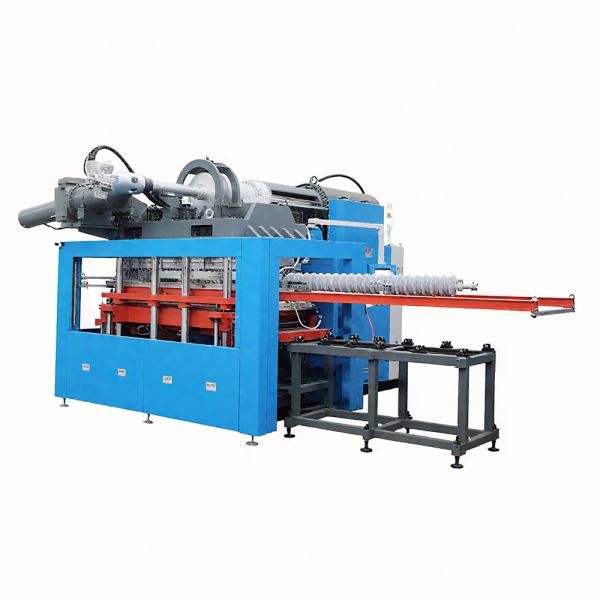
Align the machine supplier, rigging crew, and general contractor early. Share drawings and lifting points in advance; ask your supplier for recommended lift diagrams and bolt torque values. Expect the supplier’s field techs to advise on initial alignment and electrical hookups. When vendors supply a vertical molding machine, confirm spare parts and tooling compatibility to avoid downtime after commissioning.
Risk controls and compliance
Insurance and permits aren’t optional. Confirm cargo insurance limits and verify that your riggers are licensed for oversize lifts. Environmental and safety checks matter—clear dust and debris where the machine will sit, and plan for containment if the installation touches a clean area. Keep documentation of all inspections; it speeds sign-off and protects you if questions arise later. —Small paperwork gaps cause big stall-outs.
Advisory: three golden rules for choosing the right delivery strategy
1) Match lifting capacity to real-world needs: verify crane reach, hook height, and rigging SWL (safe working load) against the machine’s gross weight and center of gravity. 2) Harden the foundation and isolation: design anchor patterns and vibration pads that match the machine’s dynamic specs. 3) Lock down the timeline with contingency days and a single coordinator who controls access, permits, and handoffs. These metrics keep cost growth predictable and commissioning on track.
HWAYI sits in the middle of this process as a practical partner—supplying machines with clear lift diagrams, commissioning support, and experience that reduces surprises. —Trust built into plans, not promises.