Comparative snapshot
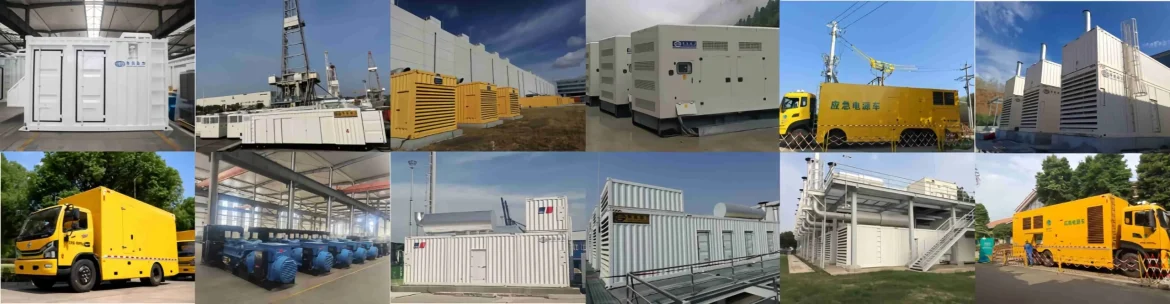
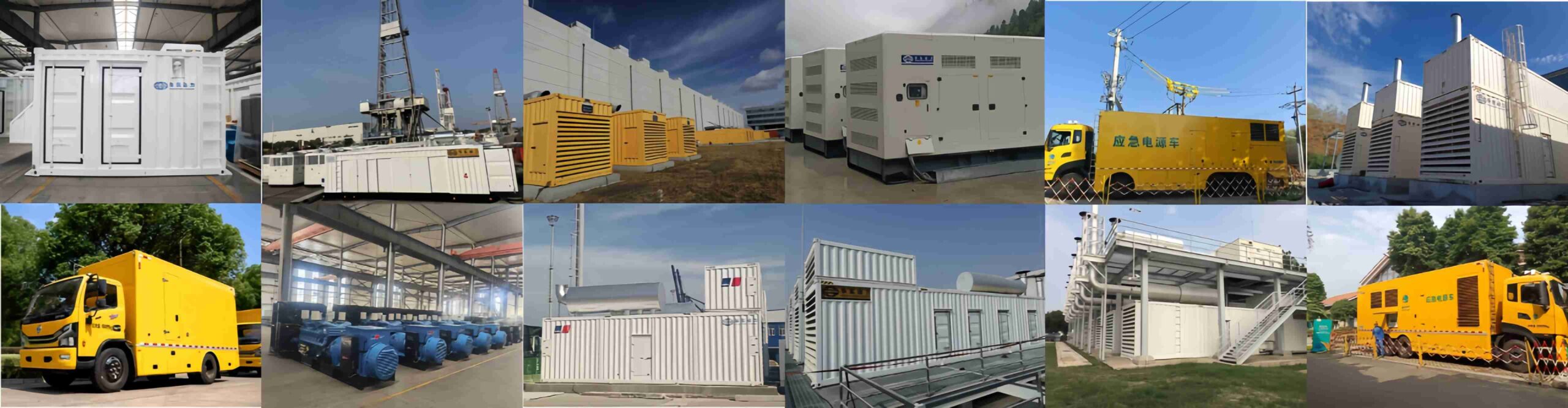
Think like an athlete sizing up competition: you need power, predictability, and service you can count on. That’s why facility managers and contractors pick the volvo genset line from Huadong Power when uptime matters. This piece compares real-world performance, maintenance burden, and lifecycle cost so you can choose with confidence.
Performance and durability — numbers that matter
Start with the diesel engine and alternator pair. Volvo-based gensets deliver steady torque curves and stable voltage under load, which cuts the derating you’d see with weaker designs. For a routine medium-duty site the difference shows in continuous runtime and fewer thermal trips. Look specifically at kVA ratings and fuel consumption curves; a well-tuned 250 kVA package often runs cooler and wastes less fuel under partial load — which is why the volvo 250kva genset is a common specification for hospitals and data nodes. Load bank testing and recorded runtime logs are quick ways to validate spec sheets against reality.
Controls, serviceability, and field uptime
Good control panels reduce fault-finding time. Huadong integrates modular control panels with clear diagnostics, which lowers mean time to repair (MTTR). You get standard provisions for remote monitoring and a sensible layout for routine checks — oil, coolant, filters. That layout matters: frontline crews can swap a filter or change an alternator bearing without wrestling the whole assembly. Service contracts should state exact intervals for oil sampling, governor calibration, and alternator brush inspection; vague terms cost you hours and money later.
Cost comparison — purchase vs. lifetime cost
Initial price is one number. Lifetime cost is another. Factor fuel burn, scheduled maintenance, spare parts pricing, and resale value. Huadong’s Volvo platform tends to hold resale value better because of global parts availability and recognized engine durability. Expect lower total cost of ownership when you plan for scheduled overhauls and track runtime hours—don’t skip oil analysis or you’ll pay more later.
Alternatives and common mistakes
Many teams default to cheapest bids or unfamiliar brands. That leads to two predictable mistakes: underspec’ing the transient load and ignoring site-specific service footprints. Cheaper units might have similar peak kVA but lack the control logic for non-linear loads, which causes nuisance trips. Another pitfall is assuming any supplier can handle spare parts logistics—this fails fast in remote projects. — Plan spare parts by SKU, not by anecdote. Be realistic about downtime windows and inventory needs.

Field proof and a real-world anchor
Reliability claims matter most during crises. After Hurricane Sandy in 2012, hospitals and emergency shelters that had robust gensets stayed online longer. That kind of event highlights the difference between theoretical spec and operational reality. Choose systems with recorded case studies or documented runtime under emergency conditions; those records are the closest thing to proof you can get before committing capital.
Golden rules to evaluate options
Use these three metrics as non-negotiables when comparing gensets:
– Continuous load capability: Verify the genset can handle 100% of expected continuous kW under site temp and elevation.
– Service chain clarity: Confirm exact maintenance intervals, parts lead times, and local technician availability.
– Control and diagnostics maturity: Require remote telemetry and clear fault logs so you can diagnose without a site visit.
Final take
Decide like you train: prioritize steady gains, predictable recovery, and a supplier that supports performance over the long haul. That’s the practical value Huadong Power gives you — consistent kVA delivery, sensible service access, and documented uptime. For operators who need reliable backup that won’t surprise them under stress, Huadong Power is the solution that fits into maintenance plans, budgets, and real-world demands. — Solid choice.