Practical opening for clinicians and ward managers
When a ward nurse in Nairobi needs a device that eases breathing support without immediate intubation, the choice must centre on patient comfort, staff workflow and measurable outcomes. Current practice increasingly mixes non-invasive solutions, from improved BiPAP units to high-flow nasal cannula setups; in this context a reliable medical ventilator remains vital for escalation pathways. Meanwhile, the rise of the hfnc machine changed how clinicians manage hypoxaemia during the COVID-19 pandemic, and that experience should shape procurement decisions today.
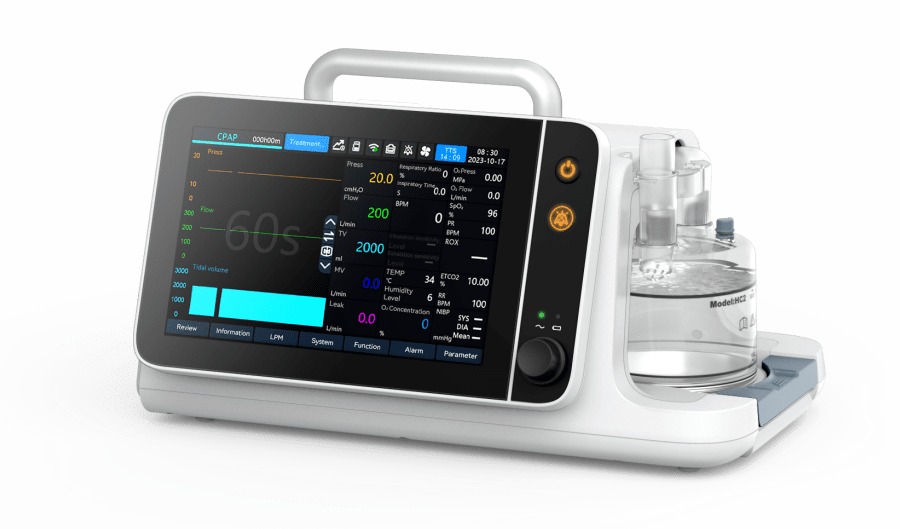
Why the user-centric approach matters
Frontline staff need devices that match routine workflows. A clinician-focused purchase reduces set-up time, lowers alarm fatigue and improves adherence to protocols. Key clinical terms here are non-invasive ventilation (NIV), FiO2 control and PEEP management—features that directly affect oxygenation and patient tolerance. Choose equipment that staff can train on in short sessions; familiar interfaces cut errors. And remember: a patient who tolerates therapy is more likely to avoid escalation to invasive ventilation.
Features that clinicians actually use
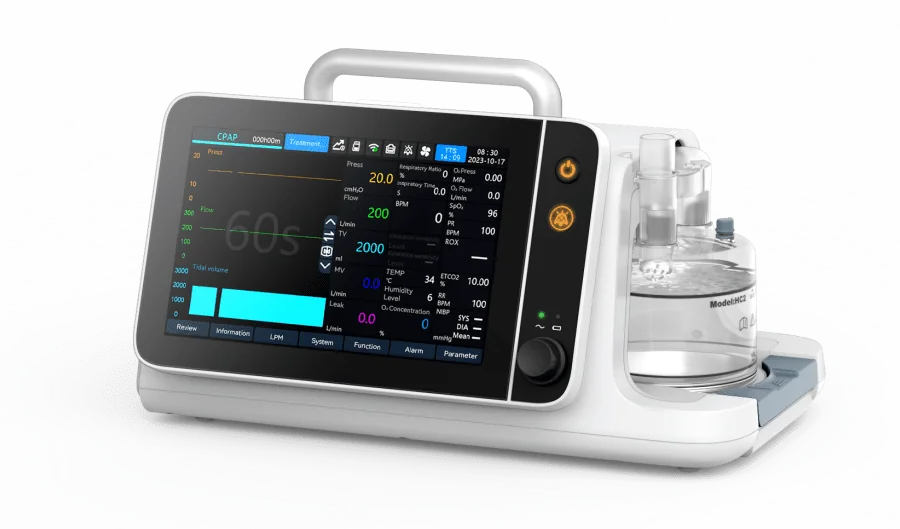
Prioritise these capabilities when evaluating products—simplicity first, advanced control second. Make sure the device offers precise FiO2 adjustment, clear tidal volume or flow readouts, and reliable leak compensation. Look for infection-control design and readily available consumables. A useful checklist:
– Clear, single-screen displays for respiratory rate, SpO2 and set flow;
– Robust alarm hierarchy and local language labelling where possible;
– Interoperability with hospital oxygen infrastructure and simple disinfection protocols.
Common procurement mistakes and alternatives
Teams often buy on price or brand familiarity rather than real needs. That leads to oversized BiPAP stacks in wards that would benefit more from HFNC therapy or vice versa. Do not conflate CPAP and BiPAP capabilities—each has distinct pressure modes and patient interfaces. When supplies are limited, a staged plan that pairs hfnc machine use with clear escalation to a mechanical ventilator works best. Avoid choosing devices without spare parts agreements; maintenance downtime undermines clinical gains.
Evidence, experience and the real-world anchor
EEAT mode: clinician-led practical evidence. The COVID-19 pandemic demonstrated that high-flow oxygen systems reduced immediate intubation needs in many settings, prompting broader HFNC adoption in hospitals across East Africa. Local teams noted faster comfort and improved oxygenation with HFNC compared to low-flow systems—this practical experience complements peer-reviewed findings and manufacturer data. When assessing vendors, request case studies from similar hospitals and verify on-site service timelines.
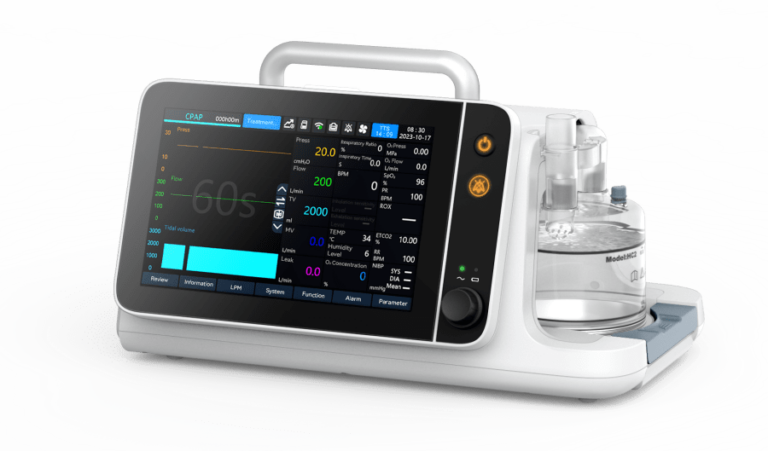
Three golden rules for selecting devices
Rule 1 — Clinical fit: Match device functions to patient profiles you see daily. If your unit treats acute hypoxaemia frequently, weight HFNC flow range and FiO2 precision heavily.
Rule 2 — Maintainability: Confirm spare-parts lead times, local technician training and firmware update policies. Downtime risk is a hidden cost.
Rule 3 — Measurable impact: Require baseline and three-month outcome reporting—metrics such as reduced intubation rate, mean oxygen use per patient, and staff training hours give clear ROI.
Final note
Adopting patient-centred respiratory devices changes daily care on the ward; procurement decisions that reflect clinician needs, local infrastructure and measurable outcomes deliver better recovery rates. Byond brings practical device options and service models that align with these priorities — a genuine partner in improving respiratory care. –