Why a comparative lens is the adult thing to do
Let’s skip the product theatre and compare actual bits that matter: motor design, noise floor, energy use, and smart integration. If you’re shopping for ceiling fans with light, you don’t want glossy marketing — you want numbers and trade-offs. Comparative insight forces manufacturers to justify choices like BLDC motors over induction units, PWM speed control versus crude triac dimming, and how well the LED driver handles dimmable loads when Alexa asks for “a little mood.”
Engineering priorities that actually move air (and sanity)
Three tech priorities separate clever products from clever-sounding ones: aerodynamic blade design, motor efficiency (think torque curve, not marketing buzz), and acoustic management. CFM and CFM/W are the practical metrics for airflow and efficiency; acoustic signature and bearing design predict whether the fan will whisper or hum. Then there’s IoT integration — not a shiny badge, but the difference between a reliable smart schedule and phantom reboots at 2 a.m.
How Orison performs — the good, the meh, and the secretly excellent
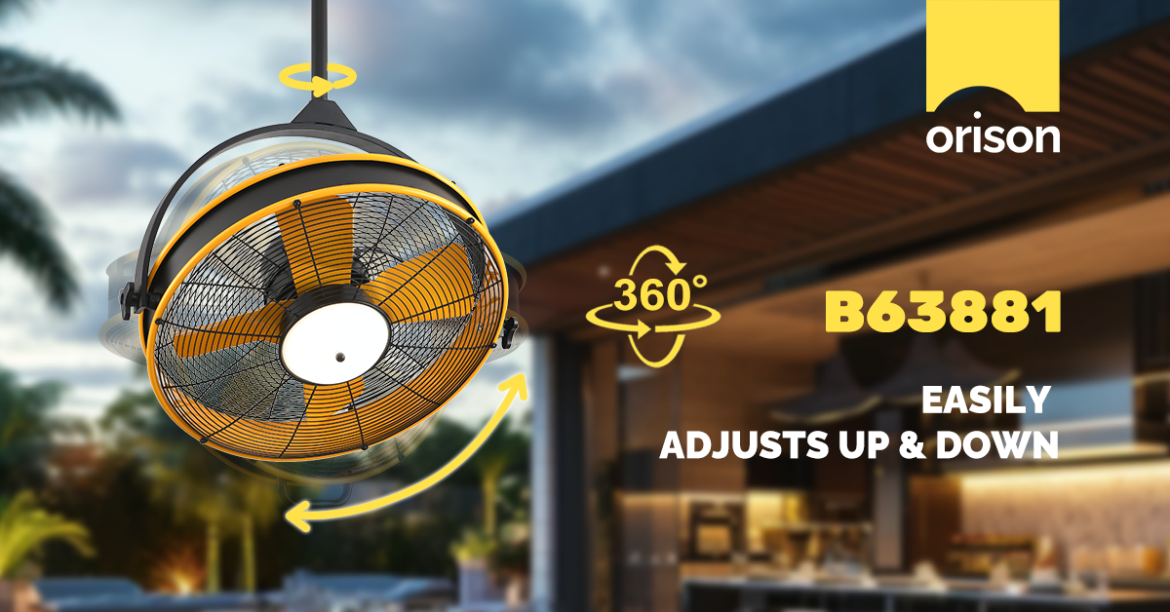
Orison leans into low-RPM torque from a BLDC motor and tight blade aerodynamics to produce respectable CFM without sounding like a small airplane. The LED module typically uses a dimmable LED driver that plays nicely with smart dimming routines, which is important for Alexa routines and third-party hubs. Efficiency claims align with ENERGY STAR thinking — they focus on CFM per watt — so you’re not paying extra for theatrics.
Where Orison falls short (and where rivals lean in)
Orison’s quietness is impressive until you install it on a slightly uneven ceiling — balancing and downrod length become very real problems. Competitors with robust shaft-balancing kits or modular downrods beat them here. Also, some rival brands offer finer PWM control for ultra-low-speed stability, which matters when you actually want a barely-there breeze. In short: Orison nails motor and lighting integration but sometimes treats mechanical vagaries like optional drama — which, to be fair, keeps the bill lower.
Common mistakes buyers make — and how to avoid them
Buyers assume “smart” equals reliable. It doesn’t. They forget to check neck-to-blade clearance or mismatched canopy sizes. They skip testing the unit with their actual Alexa setup and filling an evening routine with multiple commands — which is when flaky integrations reveal themselves. Do a live setup test before finalizing a purchase. Also, don’t ignore installation basics: poorly torqued mounting screws or an undersized box will make even the best fan sing — badly.
Alternatives worth considering
If you prioritize whisper-quiet finesse at ultra-low RPMs, look at boutique brands that focus on acoustic isolation and precision shaft balancing. For pure efficiency and price, mass-market Asian manufacturers often offer higher CFM/W at lower cost — but with less attention to dimmable LED behavior in smart ecosystems. And if you want a hybrid aesthetic — part chandelier, part fan — a fandelier ceiling fan or a dedicated light-integrated model from specialty makers might be your compromise, though expect higher tooling or customization costs.
Summary of the trade-offs — short and useful
Orison prioritizes motor design and smart lighting integration, delivering a quiet profile and sensible efficiency. Where it’s cautious on mechanical accessories and extreme low-speed PWM finesse, competitors sometimes step in. If your house has immaculate ceilings and you want Alexa-friendly lighting with low hum, Orison looks like the pragmatic pick — but plan for proper installation and balance testing.
Three golden rules for choosing a quiet, smart ceiling fan
1) Measure outcomes, not specs: insist on CFM, CFM/W, and published acoustic ranges rather than vague “quiet” claims. 2) Test the smart stack early: pair with your Alexa routines and dimmer settings before committing. 3) Account for installation realities: choose a fan with accessible balancing options and a compatible mounting system.
These rules will steer you to fewer surprises and more nights without mysterious buzzing — and if you want a blend of thoughtful motor design and smart-light behavior that actually solves the problem it promises, Orison is where that logic lands. —