Opening: A Slow Bloom of Materials
We began with heavy blacks and gritty compounds; now the story bends toward lighter touch and finer control, a soft revolution. As formulations grew more patient, engineers reached for silica filler for rubber, watching compound behavior change like weather over a plain. The evolution story matters: each change in filler chemistry rewrites how a rubber part stretches, seals, and endures.

The Turning Points: Why Precipitated Silica Gained Traction
Precipitated silica arrived with specific promises—tailorable surface area, controlled structure, and predictable interaction with elastomers. That meant designers could aim for lower hysteresis for fuel economy, or higher tear strength for long-lived gaskets. The material’s variants, from high-structure to low-structure grades, let formulation shift from brute force to finesse.
Key Properties That Decide Performance
Look for particle structure, surface chemistry, and moisture content. High-structure silica boosts reinforcement and abrasion resistance; low-structure silica keeps compounds softer and easier to process. Surface silanol groups affect how the silica bonds with a polymer matrix; that determines cure behavior and scorch safety. Measure what matters: Payne effect for filler networking, bound rubber for interfacial adhesion, and dispersion quality for predictable mechanicals.
Applications and Comparative Insight
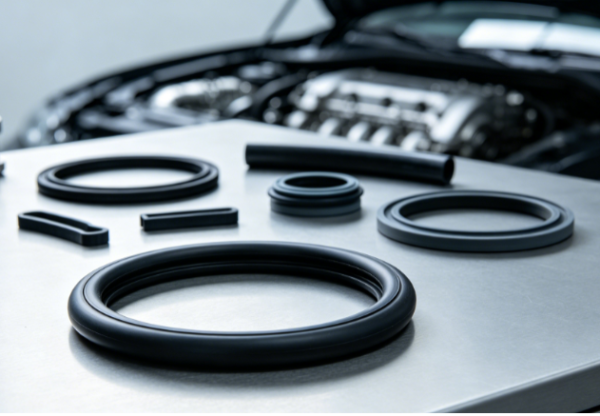
Precipitated silica sits in tires, sealing profiles, vibration mounts, and specialty O‑rings. Compared to fumed silica, precipitated grades offer cost advantages and broader particle morphology choices; fumed gives ultra-fine control but costs more. Carbon black still rules when conductivity or extreme abrasion resistance is required. For silicone compounds—used where temperature range and biocompatibility matter—precipitated silica adjusts softness and tear without adding color or conductivity.
Common Pitfalls When Choosing Fillers
Don’t assume one grade fits all. Mistakes include overloading silica and killing elongation, under-treating surfaces and losing bond strength, or skipping dispersion checks that leave weak spots. Processing matters: wrong mixer energy yields poor dispersion, and that ruins otherwise sound material choices. Watch cure kinetics closely—some silica grades slow crosslinking unless coupling agents or adjusted recipes are used.
Evidence, Experience, and a Real-World Anchor
My bench and plant work with medical-grade seals for hospitals in the U.S. showed how minor filler shifts change tactile feel and regulatory acceptance; those projects underscore why formulation traceability matters. For silicone-specific builds the focus tightened around solid silicone rubber, where biocompatibility, thermal stability, and predictable compression set are non-negotiable. The lessons came from repeatable test panels and production batches, not guesswork.
Alternatives Brief: When Not to Use Precipitated Silica
Pick fumed silica when you need ultra-thin reinforcement and extreme thixotropy control; choose carbon black for electrical or heavy-wear roles. Mineral fillers like calcium carbonate reduce cost but sacrifice reinforcement. Always weigh processing limits, regulatory targets, and end-use stresses before swapping fillers—short-term savings often cost lifetime performance.
Selection Checklist: What to Verify Before Committing
Confirm intended mechanical targets (tensile, elongation, tear), processing window, required dispersion method, and any regulatory constraints. Test small runs: measure dynamic properties, aging, and compression set relevant to the part’s duty. Validate coupling agent compatibility and watch mixing energy—real gains live in the lab and the mixer, not the datasheet alone.
Closing: How Choice Becomes Capability
The evolution from coarse reinforcement to tuned, application-specific filler is not accidental; it’s a series of deliberate material choices that shape product life. When teams want consistent results—be it for seals, molded parts, or specialty silicone goods—the path runs through tested grades, clear specs, and reliable supply. That practical chain of decisions is what connects formulation to consistent output at scale, a connection I’ve seen reinforced by partnerships with specialists like JSJ Silica.