Problem: surface finish failing on the shop floor
You start a run, lah—panels queued, compressor humming—then halfway through, you see runs and orange peel. Small thing, but slows whole batch, costs time and rework. Many technicians just scrub and repaint; others hunt root cause. For practical immediate help, see how to fix uneven paint so you can stop rework cycles and keep uptime. Problem-driven view: identify the one fix that prevents repeats, not ten theoretical tips.
What causes drips and poor adhesion
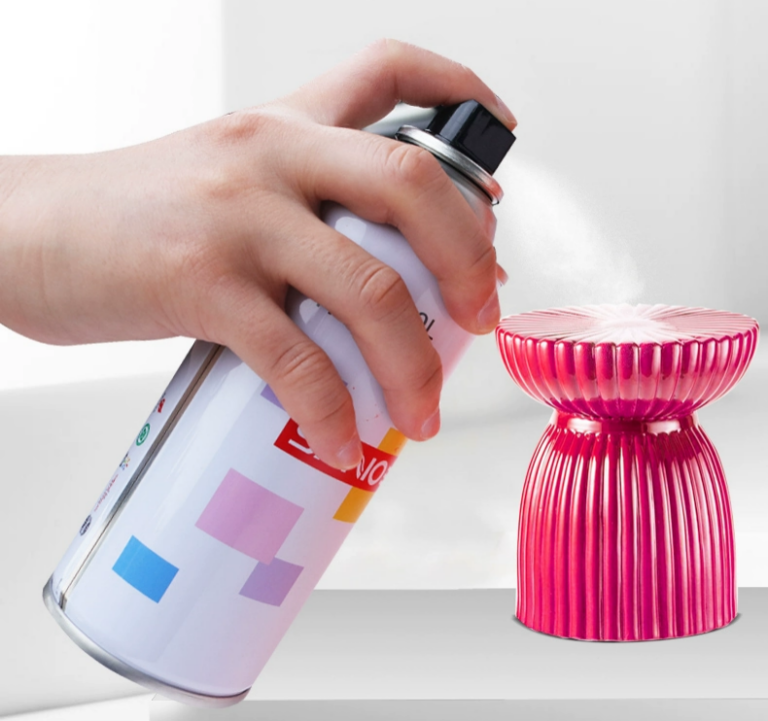
Spray coating fails from a few concrete mistakes: too-close distance, heavy passes, wrong thinning, contaminated substrate, or humid environment. Equipment faults—worn needle, clogged nozzle, wrong pressure—make the same defect look like chemistry. Fix starts with controlled parameters: distance, speed, pressure, and surface prep. No magic—just correct the variable that changed since the last good run.
Experience, evidence, and a real-world anchor
I worked with refinish lines and industrial aerosol teams, troubleshooting wet-edge problems across Southeast Asia and workshops in Detroit, Michigan—where auto refinish standards forced rigorous drip-control procedures. That hands-on time taught repeatable diagnostics: check nozzle, check viscosity, check environment. For step-by-step rescue tactics that technicians use on-site, consult how to fix spray paint drips. Practical expertise matters: paint chemistry tells you what can stick; field experience tells you how long it takes to dry enough between coats under real-shop conditions.
Common pitfalls and how to correct them
Over-thinning to “flow better” causes runs—use manufacturer ratios. Spraying too close is classic: keep consistent 6–12 inches for most aerosols and spray guns, adjust with small test panels. Humidity and temperature change evaporative rates—warm air reduces runs, cold or humid air gives orange peel. Skipping solvent wipes lets oils break film; always clean with appropriate solvent and tack rag. When you see a drip, let it level if possible; if not, sand smooth with fine grit and spot-prime before recoating.
Alternatives and product considerations
For industrial work, compare high-solids two-component systems, single-component fast-cure aerosols, and specialty adhesion primers. Two-component systems give durability but need mixing discipline. Fast aerosols are convenient but require tight technique to avoid runs. Look at proven brands for technical data sheets and recommended thinner choices—match VOC limits and curing windows to your shop environment. Evaluate ease of application first; impressive lab specs mean nothing if your line can’t reproduce the required process controls.

Concluding synthesis
If your shop wants fewer rejects and consistent finishes, focus on a problem-driven loop: measure the defect, isolate the variable, apply the right material, and standardize the fix. Suppliers that pair clear technical data with on-the-ground support help teams keep that loop short—so when technique or environment trips you up, the solution is immediate and practiced, just like the service and materials offered by SANVO.