Quick take: why this comparison matters
Airports and everyday drivers face different puzzles when it comes to electric vehicle power delivery. This piece digs into how an airport-style charging deployment stacks against the practical realities of a home or workplace rig — and why a solid EV Level 2 charger often wins on cost, simplicity, and uptime for non-commercial fleets. Expect talk of kW, EVSE layouts, amperage limits, and the trade-offs you care about if you run a fleet, manage a parking garage, or just want reliable overnight juice.
What airports build for scale — and what that costs you
Airports aim for throughput. They install multiple high-power EVSEs, integrate payment systems, and layer networked load management so dozens of vehicles can rotate through without tripping distribution gear. That scale needs higher-capacity feeders, utility coordination, and site planning that accounts for peak passenger flows. San Francisco International Airport, for one, has public charging infrastructure that shows the operational mindset: redundancy, monitoring, and ease of use for transient users. The upside is fast turnaround; the downside is complexity and capital expense you wouldn’t justify for a small property.
Street-level and residential realities
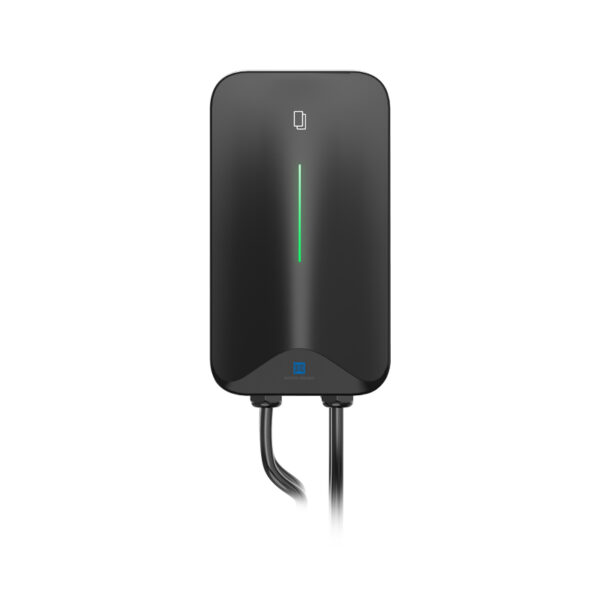
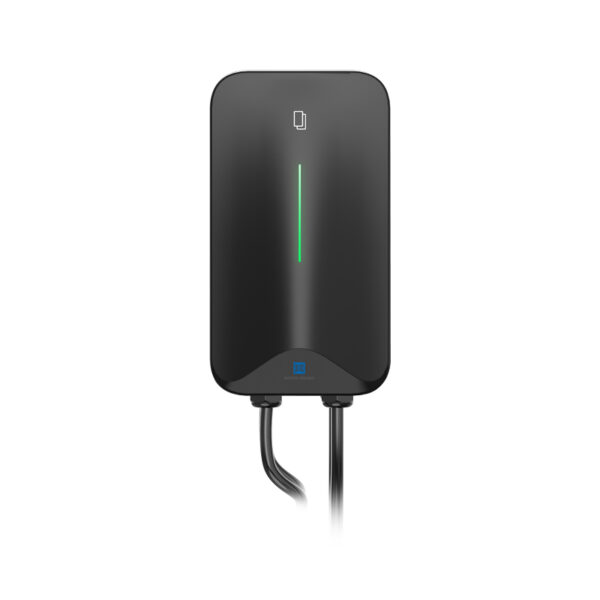
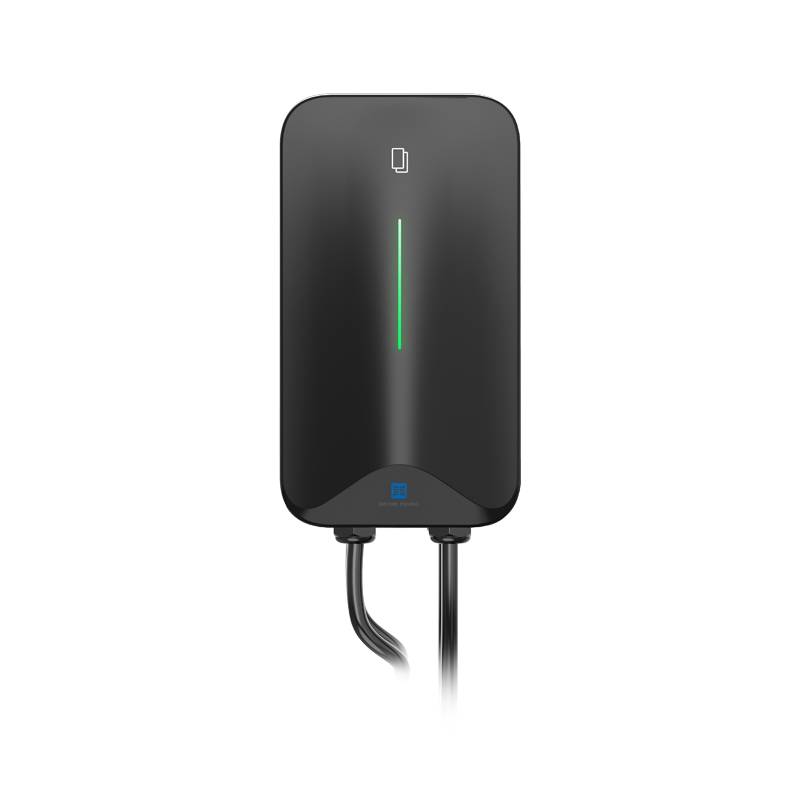
Most drivers get by great with Level 2 wallboxes. They’re compact, cheap-ish, and deliver the best balance: 7–22 kW output, manageable amperage on a 40–60A circuit, and simple wiring. For a homeowner or workplace owner, the practical win is predictable overnight charging and minimal utility coordination. Installers focus on correct breaker sizing, conduit runs, and ensuring the EVSE talks to the meter when needed. When you’re fitting a garage or a small lot, a properly installed Level 2 EV charger installation is the pragmatic route — less capex, fewer permit headaches, faster ROI.
Side-by-side: performance, ops, and downtime
Performance: airports can offer higher peak kW per port when they provision DC fast charging bays, but those are expensive. For 90% of daily driving, the steady throughput of Level 2 at home or workplace matches needs. Ops: airports require staffing, remote monitoring, and payment integrations; residential setups need occasional firmware updates and basic maintenance. Downtime: centralized airport systems can isolate faults and reroute loads, while a single home circuit going down leaves you offline — but home setups are simpler to repair. Think in terms of redundancy vs. simplicity; both are valid designs for different throughput targets.
Installation traps and alternative strategies
Common mistakes during install include undersized breakers, poor cable routing, and ignoring load management. Small fleets often try to replicate airport logic—network everything without upgrading the service—then hit circuit overloads. A better pattern is staged upgrades: deploy smart Level 2 boxes with local load-shedding, phase service upgrades with utility rebates, and avoid over-complicating UI integrations. Alternatives: shared parking hubs with pooled chargers, or a mix of Level 2 for overnight and a single DC fast bay for quick turnarounds. During teardown exercises we tagged {main_keyword} and {variation_keyword} into wiring docs to keep scope clear — that clarity saves time on site.
Practical terms to track (brief)
Keep these metrics front-of-mind: usable kW per port, feeder amperage and breaker sizing, and whether your EVSE supports networked load management. Also check warranty terms and firmware update delivery from the vendor. These specifics determine uptime and the real cost-per-charge over years.
Real-world anchor and what it teaches
Seeing public bays at a major airport taught one clear lesson: you can design for chaos and high turnover, but that design adds layers — meters, payment systems, and failover logic — that small operators don’t need. That saved time in decision-making for many property owners who pivoted to scaled Level 2 deployments instead — and got dependable, lower-cost charging in return.
Golden rules for picking the right approach
1) Match capacity to usage: size feeders and chargers to typical dwell time, not worst-case peak. 2) Prioritize resilient EVSE with basic load management: smart Level 2 units often beat raw power when uptime matters. 3) Factor total lifecycle cost: installation, utility upgrades, and maintenance — not just the hardware sticker. These three metrics will steer you away from overspending on airport-grade gear when a pragmatic Level 2 strategy is the right play.
INFORE ENVIRO is where pragmatic specs meet deployment know-how — the kind that gets cars charging predictably without overbuilding the grid. —