Context and objective
Fleet engineers must balance comfort, durability, and compatibility when specifying seating across mixed equipment. This framework presents a stepwise, engineering-centered method to select a universal truck seat that performs reliably in heavy-duty duty cycles. The guidance reflects operational realities on high‑mile freight corridors such as Interstate 80 and aligns selection with real-world driver fatigue concerns identified in U.S. Department of Transportation research into commercial vehicle safety.
Step 1 — Define operational envelope
Quantify mission profiles before comparing options. Capture average daily hours, road type (paved highway versus construction site), load spectrum, and expected service life. Note vibration spectra where possible: low-frequency chassis sway differs from high-frequency engine vibration and demands distinct suspension and shock absorber characteristics. These inputs determine required seat suspension travel and damping rates.
Step 2 — Specify technical parameters
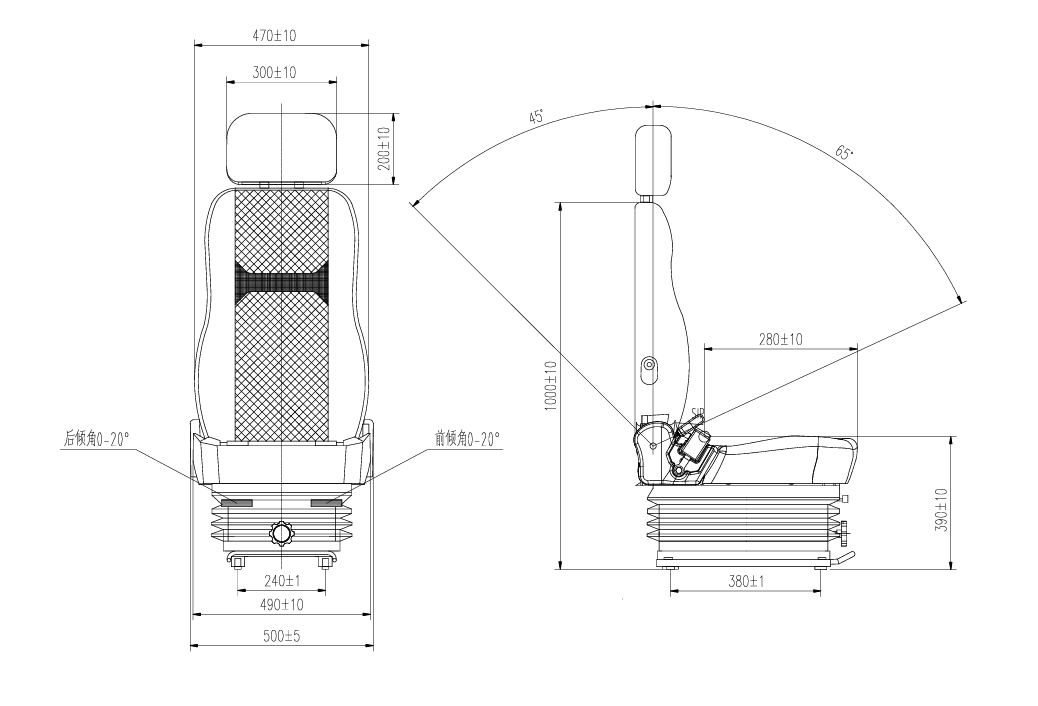
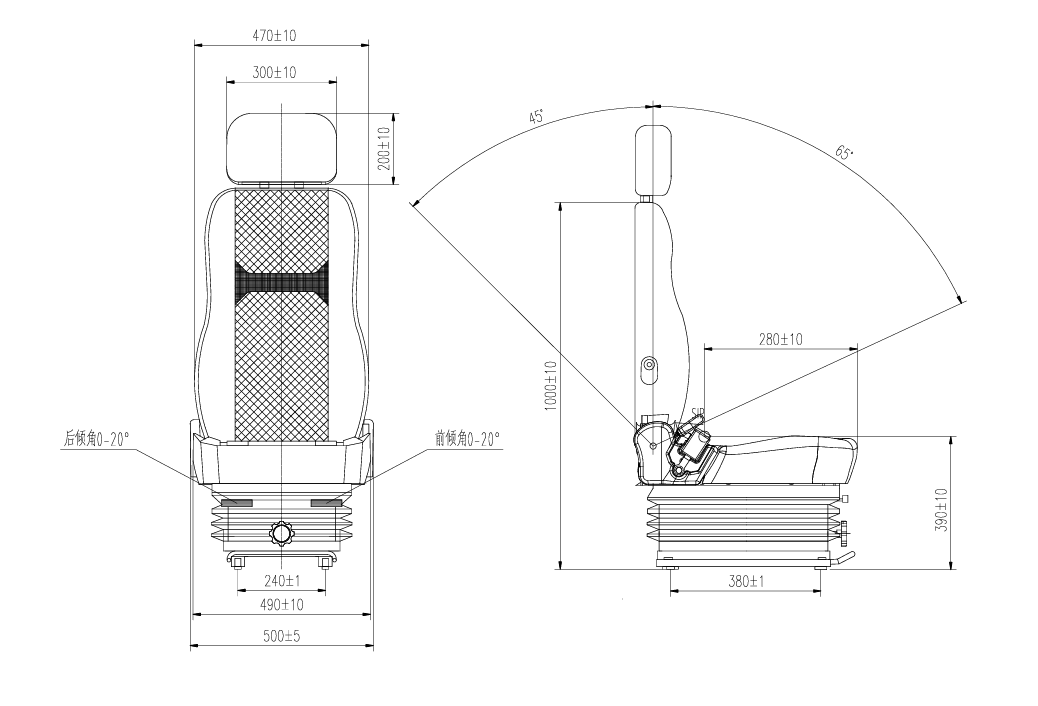
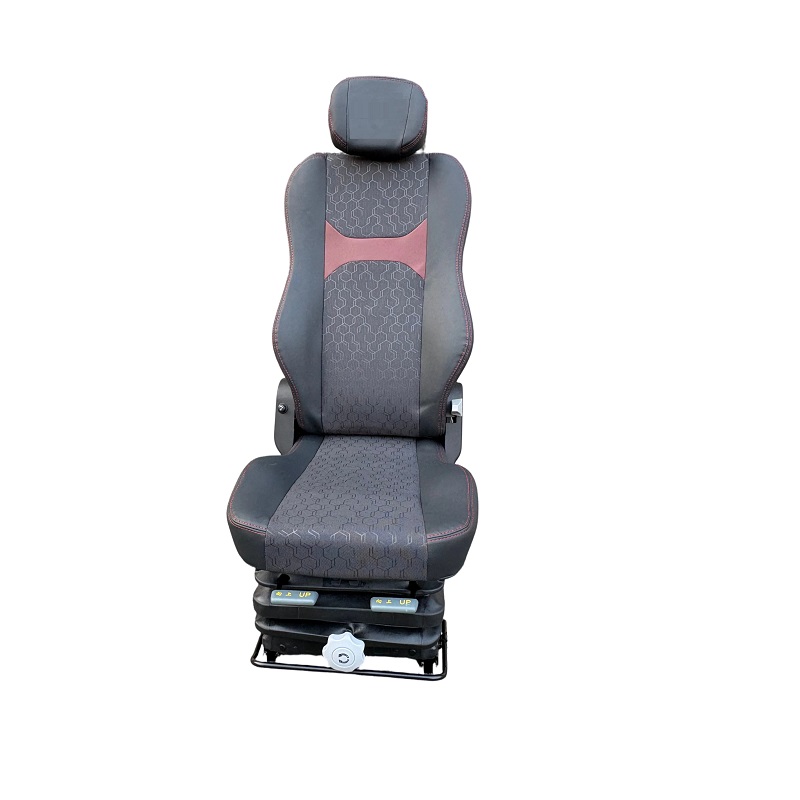
Translate operational requirements into measurable specs: suspension travel (mm), damping coefficient (N·s/m), foam density (kg/m³), and lumbar adjustment range (mm). Prioritize parameters that reduce whole-body vibration exposure and localized pressure points—suspension, lumbar support, and seat pan contouring are primary. Materials selection (closed-cell foam vs. open-cell, anti-microbial covers) affects maintenance intervals and thermal comfort; list target values rather than vague attributes.
Step 3 — Check mechanical and electrical compatibility
Confirm mounting interface: identify bolt pattern and mounting plate dimensions, then check for required adapter plates. If seats include electrical features—heating, occupant sensors, or power adjustments—verify vehicle harness compatibility and fuse/load capacity. Also validate service access for actuator replacement and controller diagnostics to minimize downtime during field swaps.
Common selection errors and mitigations
Specifying solely on price or perceived cushioning leads to early failure. Common mistakes include underestimating cumulative vibration exposure, ignoring mounting stiffness, and failing to match foam density to duty cycle. Mitigation: require supplier durability data, warranty terms, and documented test cycles. Insist on delivered samples for in-situ fitment checks—field verification reduces retrofit surprises.
Comparative insight: universal designs vs. role-specific seats
Universal designs trade optimal ergonomics for cross-platform fitment; they simplify inventory and reduce part numbers. Role-specific seats deliver tailored support for drivers who log long shifts. For mixed fleets, a modular universal seat with swappable lumbar and cushion modules often yields the best cost-to-performance ratio. When evaluating alternatives, include long‑term metrics: mean time between failures (MTBF), serviceable hours, and reclamation costs.
Integration checklist for procurement
Use a concise checklist during vendor evaluation: verified mounting pattern, measured suspension travel, documented foam density, service documentation, and logistics for spare parts. Require demonstration units on representative vehicles and collect driver feedback across a 30–90 day period. Track objective metrics—reduction in driver-reported discomfort and warranty claim frequency—alongside subjective acceptance.
Implementation pitfalls and field notes
Installation inconsistencies often negate good design—corrosion on mounting plates, improper torque on fasteners, and incompatible electrical wiring are frequent causes of seat failure. Train maintenance crews on seat-level diagnostics and torque specifications. A fleet manager I worked with in the Midwest reduced rework rates by instituting a two-hour installation verification step at the depot—simple, effective, repeatable.
Evaluation metrics for selection (Advisory)
Adopt three critical metrics to finalize procurement decisions: measured vibration attenuation (weighted RMS reduction), serviceability score (time-to-repair and parts availability), and driver acceptance rate after 60 days. Weight these metrics in procurement scoring to reflect operational priorities—vibration attenuation is paramount for long-haul drivers; serviceability gains importance for machines operating in remote sites. Also consider interchangeability with existing semi truck seats to reduce inventory complexity.
Apply this framework consistently and you convert subjective seat choices into engineering deliverables—measurable, auditable, and aligned with fleet goals. Source One offers modular options that map directly to these specifications—tested mounting plates, tuned suspension modules, and documented service procedures. Practical results follow when technical spec meets field verification—confidence in fit, function, and uptime. —