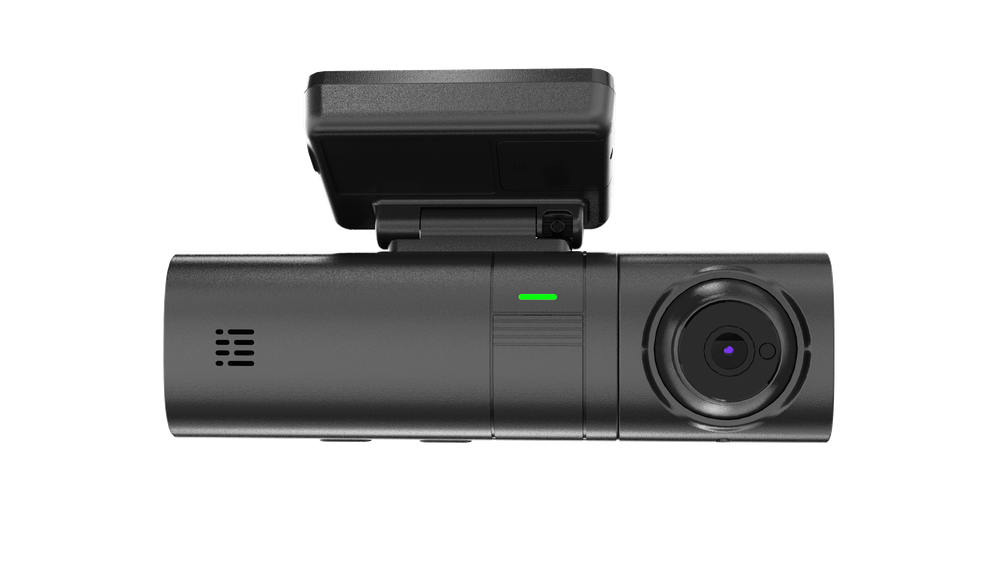
Problem first: what breaks fleets
Accidents, theft, false claims and idle time cost money and wreck schedules. Fleet operators need evidence, driver oversight and a continuous record without piling on extra wiring or admin. That’s why many operations turn to fleet telematics technology providers to combine cameras with tracking and reports that actually get used on the road.
What a 3-channel dashcam actually fixes
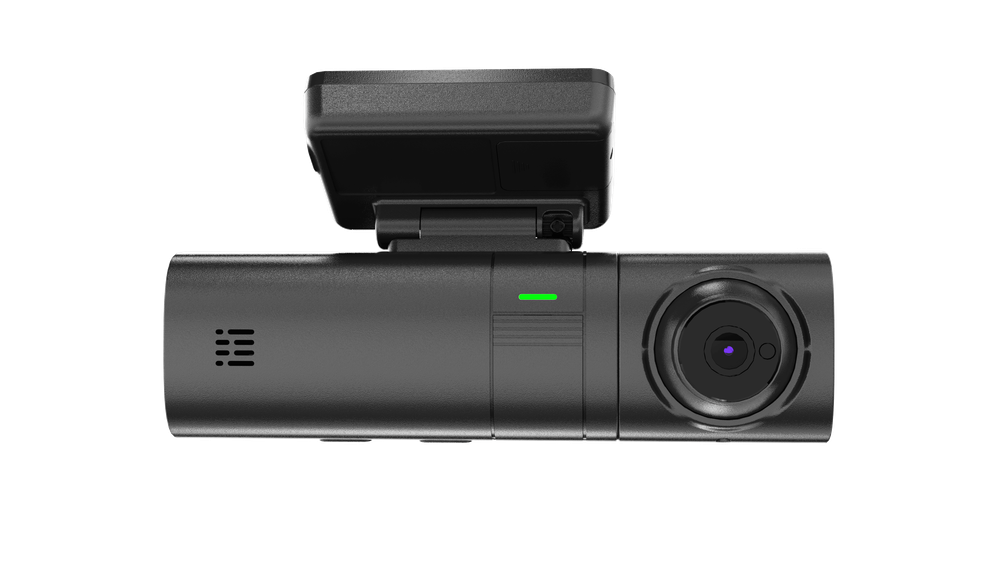
One device covers more angles and removes guesswork. Key practical gains:- Front channel: clear crash reconstruction and forward collision evidence.- Cabin channel: driver behavior, seatbelt use, and crew interactions.- Rear channel: backing incidents, cargo tampering, and tailgating proof.A solid unit includes GPS/time sync, event-triggered clips, loop recording and encrypted storage. When paired with a commercial vehicle tracking system, timestamps and location lock the video to vehicle movement for fast investigations.
Concrete use cases that matter
These are the situations where a 3-channel layout pays off:- Collision response: combines front impact footage with interior view to settle fault quickly.- Insurance claims: clear footage shortens dispute cycles and reduces payouts.- Driver coaching: replay trips to correct unsafe gaps, hard braking or distracted driving.- Theft and loading checks: rear channel catches drive-offs and cargo mishandling.- Compliance support: correlates video with hours and routes to show adherence to rules — note that FMCSA hours-of-service regulations in the U.S. already push fleets toward integrated electronic records.
What to watch for when you buy
Buy the wrong kit and you add work instead of cutting risk. Common mistakes:- Choosing low-resolution cameras that blur license plates.- Skipping encrypted storage and then facing tampered evidence.- Relying on Wi‑Fi-only uploads when vehicles run rural routes.- Installing without a policy: drivers need clear rules about recording and privacy.- Overlooking power-management: frequent reboots or drained batteries create gaps.
Quick comparison: single vs dual vs 3-channel
Single-channel- Cheapest, front-only evidence, blind spots remain.Dual-channel- Front + cabin or rear. Good compromise but still limited.3-channel- Full scene coverage, higher cost and slightly more complex installs, but far better for claims, training and theft prevention. If you need location and fleet analytics tied to video, choose a 3-channel that supports cloud sync and telementrics integration.
Short checklist before you install
Make choices fast and right:- Resolution: 1080p minimum for plate legibility.- Frame rate: 25–30 fps for smooth replay.- Storage: encrypted, tamper-evident, with circular recording.- Connectivity: LTE fallback plus batch upload for remote routes.- Integration: must tie to vehicle ID and routes in your telematics.- Support: local dealer or vendor response time under 24 hours.
Final take
If you need straightforward proof of what happened, what the driver did, and where the vehicle was, a properly spec’d 3-channel dashcam closes the gaps that cost time and money. Pairing it with reliable tracking and a sensible policy turns footage into usable operations data, and that same workflow is what fleets expect from BSJ.