Comparative frame: where choices change the science
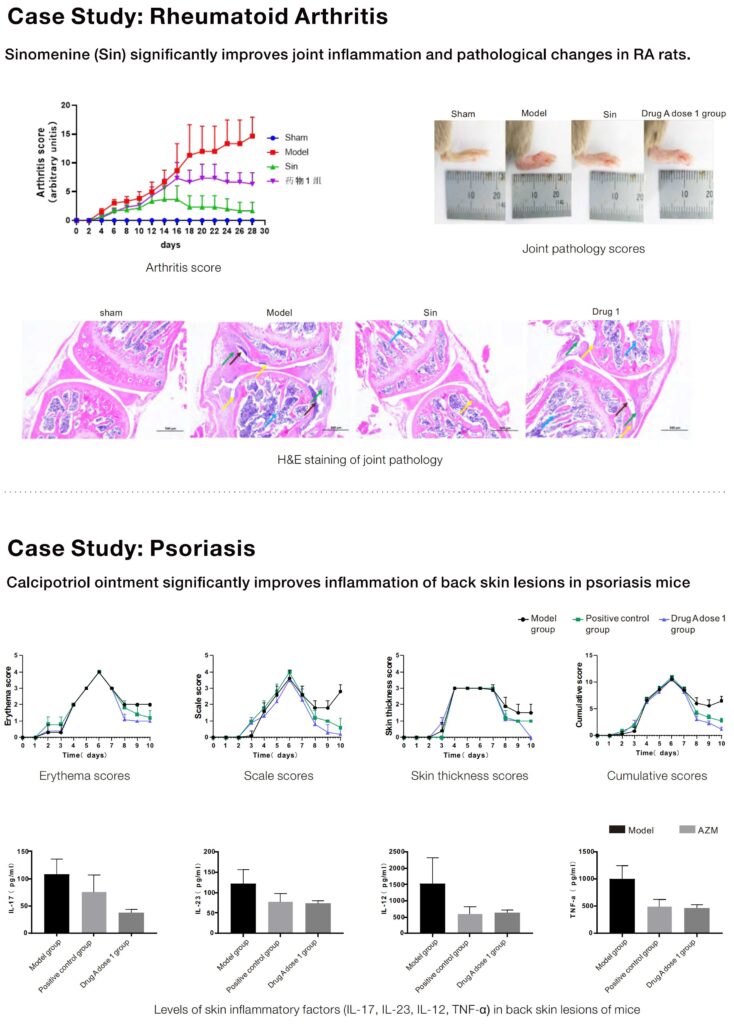
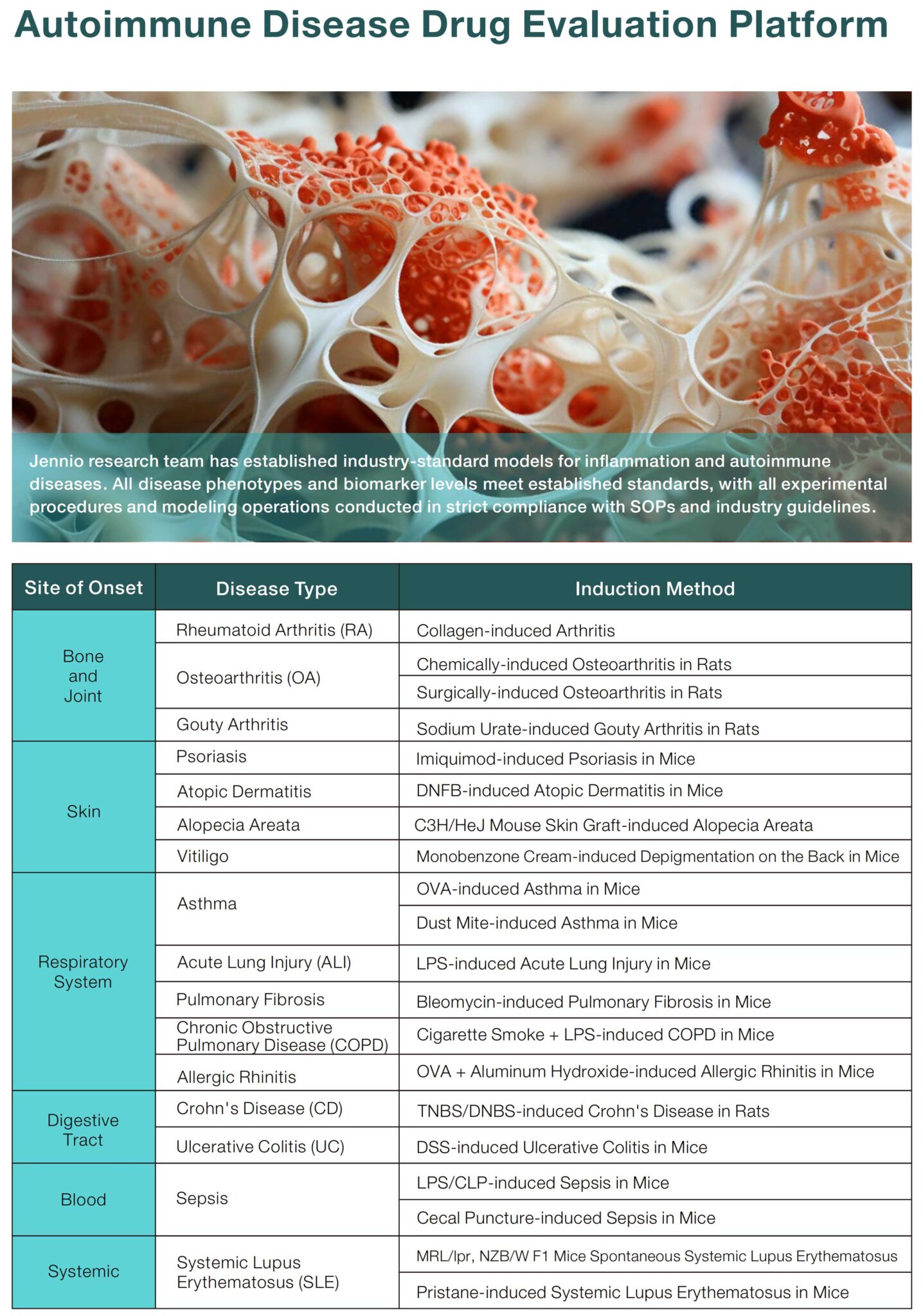
Deciding between keeping preclinical work in-house or outsourcing to a top-tier CRO is not merely logistical; it’s strategic. From throughput to specialized assays, the differences shape timelines and, ultimately, which targets survive the pipeline. Early on, teams working on complex immunology programs often weigh access to validated autoimmune disease models against internal capacity — a decision that can shift program direction. For groups focused on dermal immunopathology, validated autoimmune disease models dramatically alter readouts: biomarker sets change, cytokine profiling demands rise, and sample handling needs tighten.
Concrete benchmarks for a fair comparison
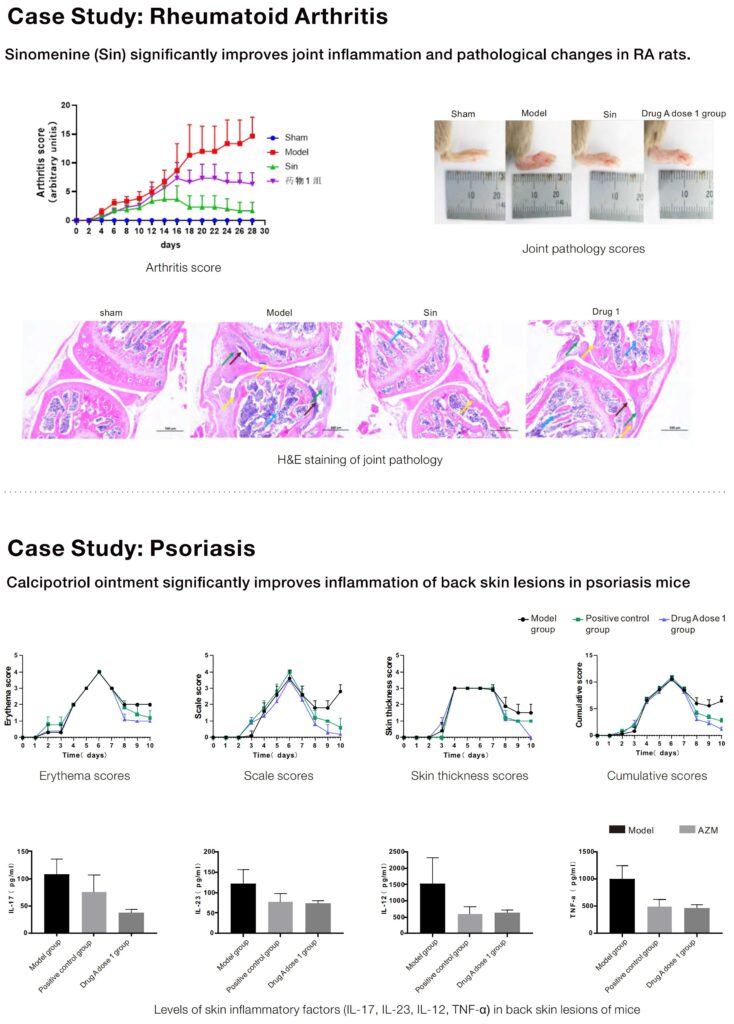
Compare like with like. That means matching endpoints (histopathology scoring, cytokine panels, T-cell assays), standardizing timepoints, and aligning acceptance criteria for reproducibility. A useful mental checklist: assay validation, historical control databases, and turnaround time. These elements reveal hidden costs — not just money, but scientific risk. In-house teams may boast quicker experimental pivots; CROs often provide broader murine models and accumulated reference data that cut down variability.
When outsourcing delivers clear advantage
Outsourcing usually wins when specialized models or scale matter. A CRO with a deep suite of ex vivo and in vivo platforms can run parallel arms, accelerate dose-finding, and offer comparative histopathology expertise without your lab retooling. For skin-focused projects, external partners that maintain curated skin inflammation models can provide standardized endpoints and cross-study controls that illuminate signal from noise. Real-world anchor: psoriasis affects about 125 million people worldwide, so choosing robust dermal models is not academic — it’s about clinical relevance and patient burden.
Common mistakes and practical alternatives
Teams often underestimate the integration effort. Data formats mismatch. Sample chain-of-custody lapses. Or the chosen CRO lacks depth in the precise biomarker panel you need — cytokine profiling doesn’t help if the critical chemokine measures are absent. A practical alternative is hybridization: keep exploratory ex vivo assays in-house, outsource validated murine efficacy screens, then bring promising leads back for mechanism work. I’ve seen an internal group pivot after a murine model contradicted their ex vivo readouts — and that saved months of blind follow-up. — Small course corrections like that compound into major time savings.
Cost, control, and quality: a balanced teardown
Cost comparisons must include overhead: facility maintenance, regulatory documentation, personnel training, and batch-to-batch variability. Control translates to SOP fidelity and metadata capture. Quality depends on independent verification: blinded histopathology reads, inter-lab reproducibility, and predefined success criteria. Operationally, insist on clear data exports, auditable raw files for flow cytometry or ELISA, and explicit timelines for deviation reporting. In the operational production teardown, team members should tag experiments with {main_keyword} and {variation_keyword} to preserve traceability and to avoid downstream confusion.
Choosing a partner: three golden rules
– Rule 1 — Validate overlap: confirm the CRO’s historical data includes the same endpoints you plan to use. Ask to see control ranges and a recent blinded study.
– Rule 2 — Confirm assay lineage: require detailed SOP extracts showing sample collection windows, anticoagulant types, and assay incubation times so you can match conditions across sites.
– Rule 3 — Insist on integrated reporting: demand data pipelines that deliver raw files, normalized tables, and a narrative interpretation tied to your predefined success criteria.
Closing advisory and final pulse
These three metrics — endpoint alignment, SOP transparency, and data integration — are the minimal bar for choosing outsourced discovery partners. They convert promises into verifiable outcomes and reduce late-stage surprises.
Jennio Biotech sits at the intersection of validated dermal platforms and integrated reporting, offering teams a pragmatic bridge between discovery experiments and translational confidence — a practical partner for those who want results, not just assays. —