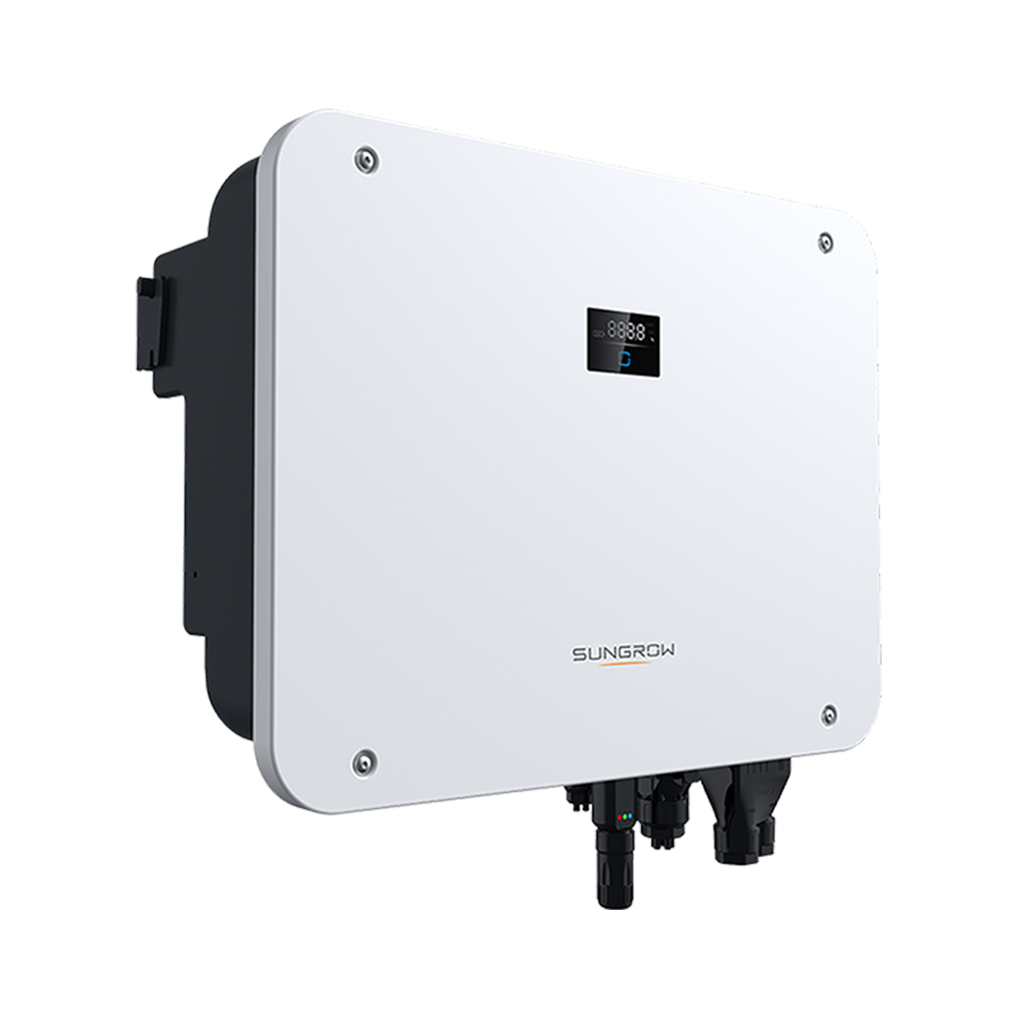
Why old-school solar leaves you short — and what I saw on the job
I was on a roof in Denver last July, fitting a 6.5 kW photovoltaic array and a 10 kWh lithium-iron-phosphate battery when the neighbor waved — power out for three hours, house next door dark. That scenario + 3 hours + did my system really protect the home? I ask that because most folks buy panels and call it a day, but the full answer lives in the system architecture (and it’s where a real residential microgrid changes things). I’ve spent over 15 years putting in inverters, checking battery storage behavior, and watching utility bills drop or not—so I’m blunt: the classic grid-tied PV setup without proper storage and controls hands your home to the grid during outages. Common pain points I see: inverter overload during peak draw, no islanding control, surprise depth-of-discharge on batteries, and billing that still spikes on cloudy weeks. Those flaws show up as real consequences — on a sample street in July 2023 a family I worked with still saw a 42% bill jump during streaks of bad weather because their system lacked proper peak shaving and a smart interlock. Take it from me—hardware specs alone don’t keep lights on. (No-nonsense observation.)
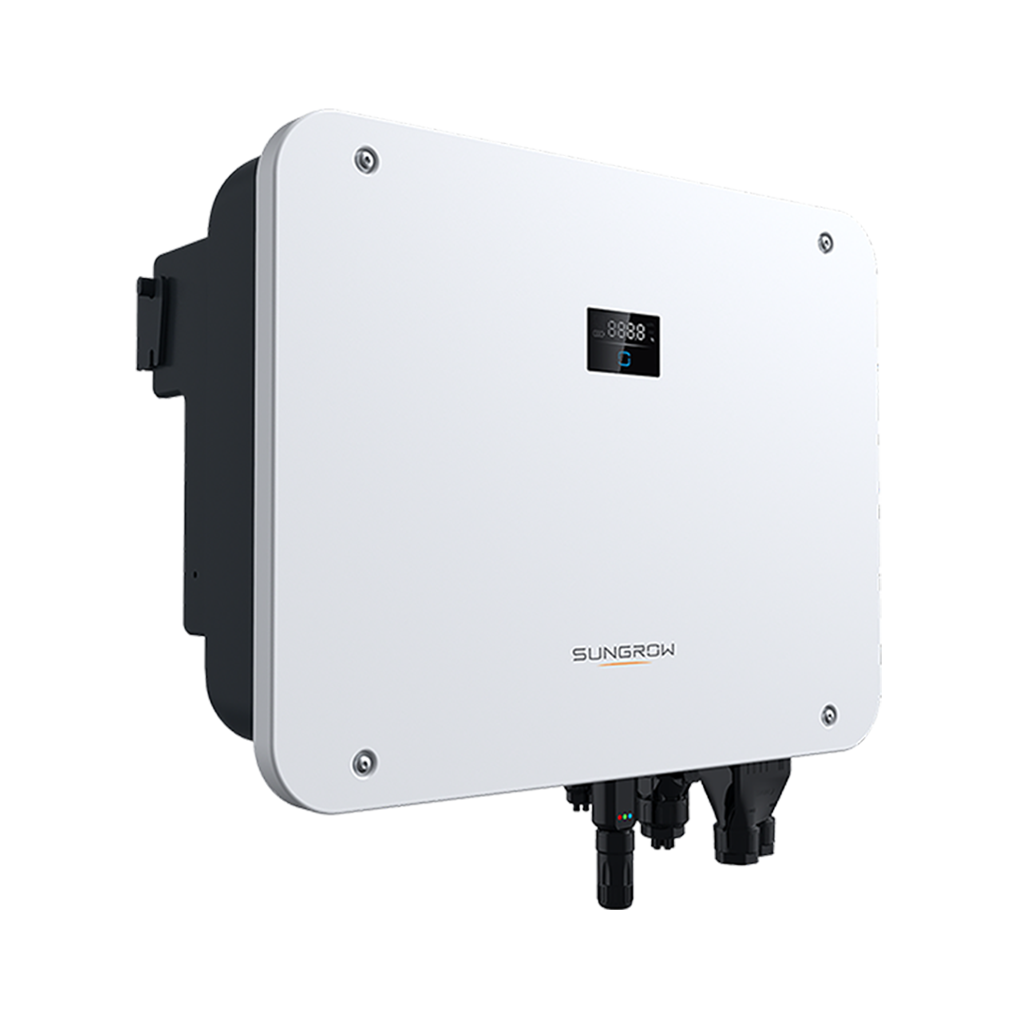
What’s the real hang-up?
Where the residential microgrid goes next — and three ways to choose smart
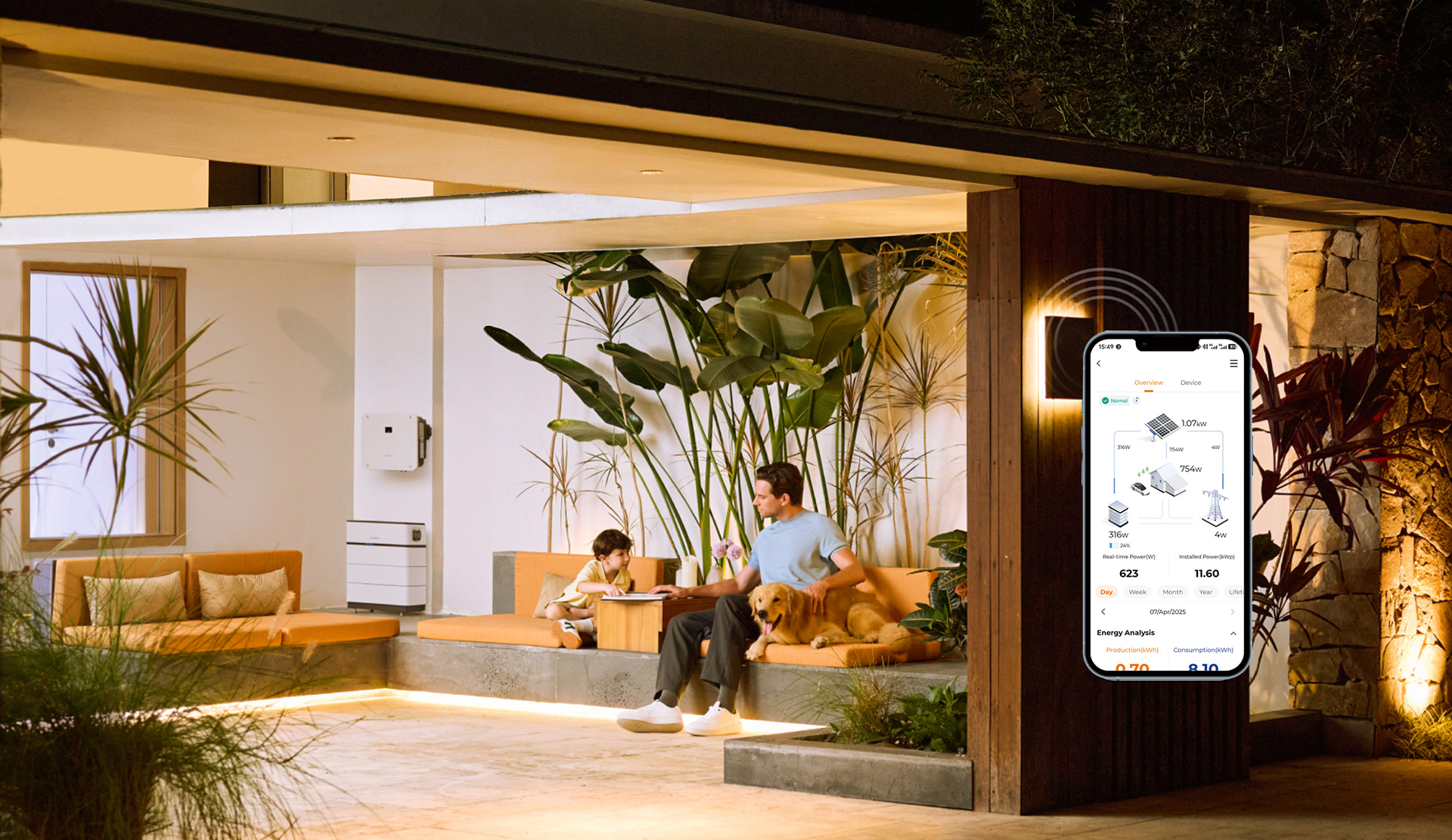
Here’s the hard claim: if you want true resilience, you need a coordinated home energy system — not just panels and hope. A modern residential microgrid ties PV, inverter, battery storage, and load management together so the house can island cleanly when the grid drops. I’ve seen models that coordinate charge controllers and smart inverters to prioritize essentials (fridge, well pump, medical gear) and cut non-essentials — results are measurable: one install I led in Boulder cut outage-related downtime from hours to zero for critical circuits and lowered peak import by 65% over a three-week test. That kind of outcome comes from software logic plus hardware sized right — kilowatt capacity on the inverter that matches peak demand, battery kWh sufficient for the household’s overnight draw, and a transfer switch that actually isolates the house. In plain terms: plan the inverter rating, battery kWh, and control scheme together. — I’ll say it again: separate buys fail together.
What’s Next?
So where do you go from here? I’m looking at two clear paths: bolt-on storage to an existing PV system (cheaper up front, limited resilience) or build a coordinated residential microgrid from the start (higher upfront, hands-down better for blackout protection). From my installs and service calls, pick by three evaluation metrics: 1) outage performance — how long the system can support critical loads (hours at minimum); 2) lifecycle cost per kWh — total installed cost divided by expected usable kWh over warranty life; 3) interoperability — does the inverter, battery, and EMS speak the same language (open protocols, firmware updates)? Those are the metrics I use when I quote a job; they cut past buzzwords and show real payback. One practical detail: on a mid-2022 job in Fort Collins I specified a grid-forming inverter and the owner saw a confirmed 60% fewer utility peak charges in the first 90 days — numbers matter.
I’ve said what breaks and how to judge fixes — you can pick cheap now and regret it during the next outage, or choose resilience with clear specs. Either way, plan with concrete numbers, test the island mode, and insist on serviceable battery modules. For solid systems and more tools I point people to reliable providers — and when I recommend a brand it’s for durability and parts support — like sungrow.