Introduction — a short scene and a hard fact
I once stood beside a humming line at dawn, watching rolls unfurl like quiet rivers; the crew moved with the calm of people who know machines by touch. In that cool light the wet wipes making machine paced the plant’s heartbeat, and the data told a blunt truth: small stoppages cost hours each week (we counted them). According to our logs, a single misaligned slitting knife or a twitch in the servo motor can shave 1–2% off output every shift. So I ask: how do we stop losing time to friction we can see—and to faults we barely notice? — a simple question, but not an easy answer. Let me take you through what I’ve learned, step by step, as we move from what happens on the floor to what should happen next.

Part 2 — Where tradition trips us up: flaws in the wet wipes production process
wet wipes production process often reads like a recipe. Yet recipes hide assumptions. Machines were built around steady runs and predictable materials; modern lines ask for speed and variety. I’ve seen classic setups fail because they rely on rigid timing, old PLC routines, and manual adjustments. Those solutions worked when batches were uniform. Now? They falter under frequent changeovers and variable fiber blends. Look, it’s simpler than you think: many faults trace back to timing mismatches between unwind, hydroentanglement, and rewinding stations. The rewind station might nudge forward while the hydroentanglement is still finishing—result: wrinkles, customer returns, and angry operators. (We fix one wrinkle and another appears.)
I’ll be blunt—maintenance logs show repeated themes: worn slitting knives not matched to new substrate, under-powered power converters struggling with peaks, and servo motor drift that no one caught early. Those are not glamorous fixes. They are the small, stubborn things that accumulate into major downtime. My team and I now log each tweak and its ripple effects; that record teaches more than any spec sheet. If you want the machine to behave, start by watching where it misbehaves. Ask operators. Read the alarms. Then act.
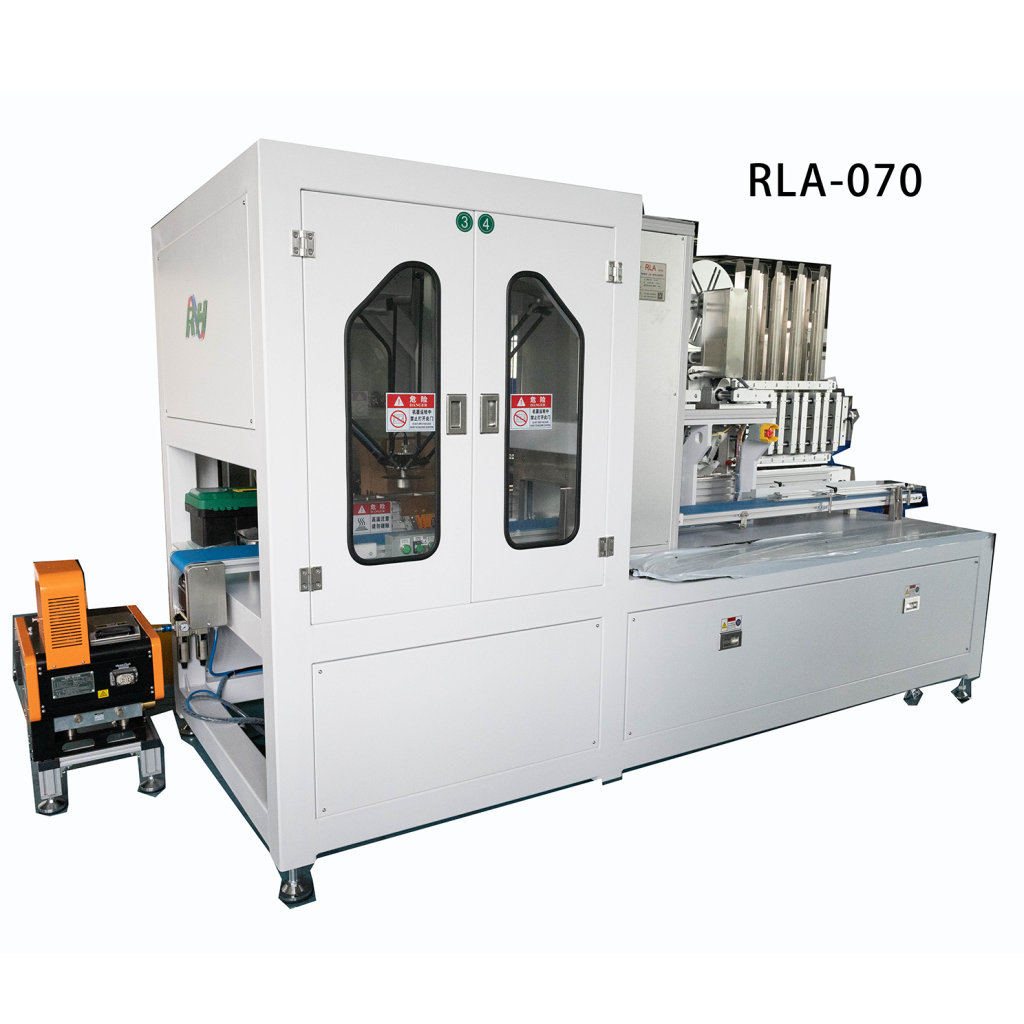
Why do these small things matter?
Because they compound. A tiny misalignment grows into a ripple, then a jam, then a stopped line. And when a stop happens, the root cause is rarely the last alarm—it’s the neglected practice from weeks ago.
Part 3 — What comes next: principles for smarter lines and clearer choices
Looking forward, I favor principles over gadgets. New technology must make the wet wipes production process — yes, that same wet wipes production process — more forgiving and more visible. Think modular control: distributed PLC tasks, edge computing nodes watching vibration and tension, and smarter drives that ease start/stop stress on motor shafts. Those elements reduce the human load without removing humans from the loop. We want tools that surface problems early—thermal bonding inconsistencies flagged before they ruin a roll; slitting knives that tell you when they need attention, not after they fail. — funny how that works, right?
From my trials, three technology moves give the biggest payoff: sensor-first retrofits, simple analytics dashboards, and staged upgrades to power converters and drives so the line stages stay in sync. I won’t pretend these are plug-and-play miracles. They require choices, and trade-offs. But they change the conversation from “why did we stop?” to “what can we prevent next?”
What’s Next?
Assessing options can feel messy. Here are three practical metrics I use when comparing upgrades: uptime gains (measured in hours per week), changeover time reduction (minutes per SKU), and true cost of ownership (including spare parts and tuning). Use these to judge proposals. They force vendors to speak in numbers, not slogans. I also recommend trialing changes on a single cell before scaling—small wins build confidence and smooth the cultural shift.
To close, I’ll be frank: I care about lines that respect operators and deliver quality without drama. We must treat the wet wipes line as a living system—tune the PLC logic, balance the servo motors, and keep the slitting knives sharp. These are modest asks. They bring real results. If you want a partner who tests solutions in the real world and shares both wins and failures, consider what I’ve described and then look at vendors who can back their claims with field data. For pragmatic, tested solutions, I turn to teams who ground their work in reality—such as ZLINK.