Introduction
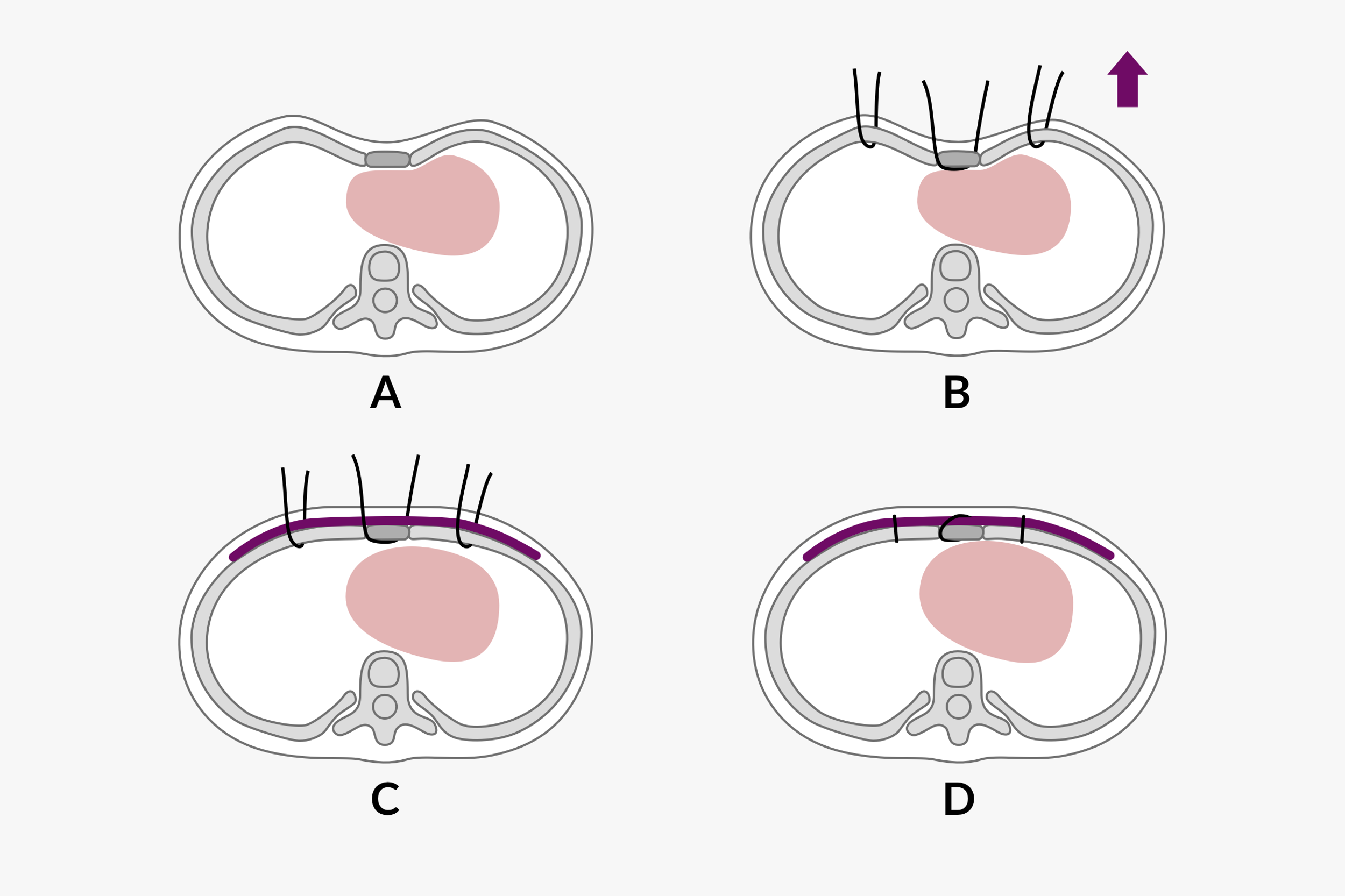
Let’s get clear on the basics: pectus excavatum is a chest wall shape that can compress the heart and lungs and also affect confidence—especially in teens. The wang procedure is one of several modern approaches designed to correct that shape while aiming for fewer trade-offs. Picture a high school runner who keeps losing steam on hills, or a young adult who avoids the pool; that’s the lived side of this topic. Data suggests the condition appears in roughly 1 in 400 kids, often more in boys, and can impact cardiopulmonary function when the sternum sinks deep. So the question lands: with options on the table, what really changes outcomes?

Here’s the frame we’ll use, West Coast simple: define what typical fixes do, then look at where they fall short (and why). We’ll touch on thoracoscopy, bar stabilization, and the anterior chest wall, but keep the jargon light. The goal is not to prescribe; it’s to decode. If you’ve heard mixed stories from friends—some great, some rough—that’s normal. Procedures vary by anatomy, technique, and team. Okay, let’s move from the obvious to the deeper layer.
Old Solutions, New Questions
Where do old fixes fall short?
Families often search “best surgery for pectus excavatum” and land on familiar names. Classic methods can work well, but they also bring hidden snags. The bar-based route leans on force to lift the sternum; results depend on fit, secure fixation, and how your costal cartilage remodels over time. The open route reshapes cartilage more directly; it can help in complex cases, but it’s more invasive by design. Look, it’s simpler than you think: when techniques chase the same end—sternal elevation—differences in periosteal tunneling, intercostal handling, and how the bar sits against the chondrosternal junction can make or break comfort. Pain that lingers past the early weeks, limits on sport, or a bar that needs adjustment later—these are not rare, and they’re not anyone’s “fault.” They’re signals that fit, force vectors, and tissue response weren’t fully aligned.
Here’s the deeper rub: traditional pathways can miss three user pain points. First, time. Wearing hardware for years can affect daily movement and mood. Second, feedback. Patients often want clear, early markers that the sternum is where it should be—yet follow-up can feel vague. Third, function. Gains in VO2 or stroke volume are what people hope for, but the loop between shape change and measurable cardiopulmonary improvement is not always tight. When bar stabilization is great but nerve irritation nags, or when a beautiful X-ray meets a stiff morning chest—there’s a mismatch. And that mismatch erodes trust—funny how that works, right?
Comparative Insight: Why Technique Details Matter Next
What’s Next
Now, zoom forward. Newer approaches refine how lift is applied and how tissue adapts. Some teams use 3D contour planning, intraoperative sternal elevation systems, and low-profile support that spreads load more evenly across the anterior chest wall. Others pair precise fixation with gentler vectors—less torque on the ribs, more stable midline elevation. In practice, that can mean fewer stress points near the intercostal spaces and less risk of bar migration. It’s not magic; it’s mechanics plus healing biology. When you compare modern variants of pectus excavatum surgery, the promise is a tighter loop between shape, comfort, and measurable function. The principle is simple: right force, right place, right time—then let cartilage remodeling do its job.
So how do you judge options without getting lost in brand names or buzzwords? Use three grounded metrics. One: functional gain—ask how teams measure outcomes (spirometry shifts, echocardiogram metrics, exercise tolerance) and when. Two: stability and comfort—look for data on fixation strategy, chronic pain rates, and return-to-sport timelines. Three: durability with fewer compromises—duration of hardware, reoperation rates, and how follow-up imaging guides small course corrections. Different centers will emphasize different strengths, but these metrics make apples-to-apples real. Keep the tone practical, ask for numbers, and seek clarity on who does what in the OR and after. That way, your choice feels less like a leap and more like a plan that fits your life—and your chest. For deeper context and care pathways, see ICWS.