What Questions Should You Ask a Supplier When Procuring Explosion‑Proof Lighting for Projects That Involve Wiring Junction Boxes?
Problem overview
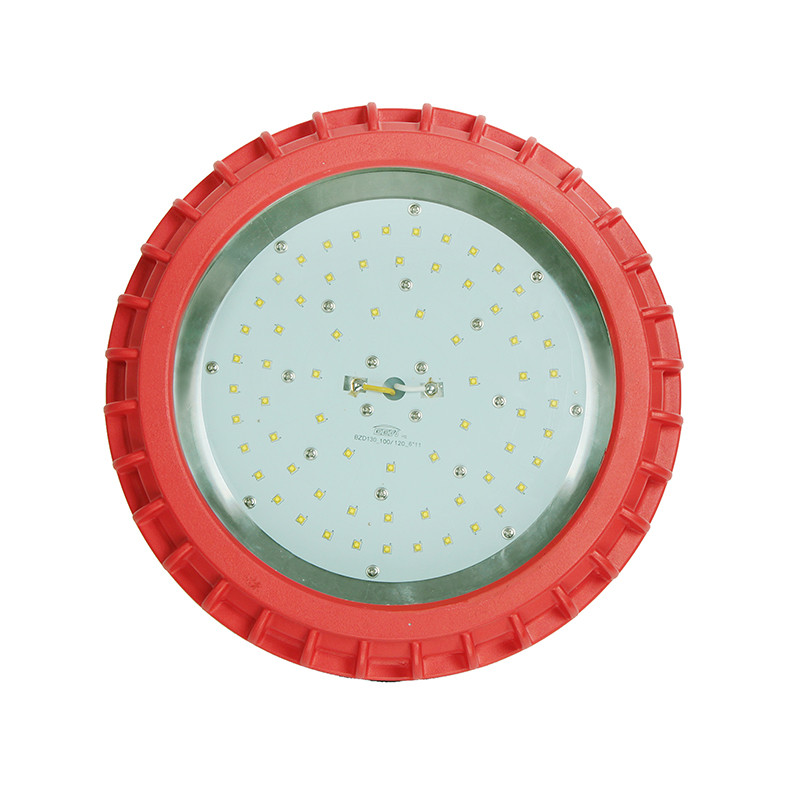
Procurement often stalls when lighting and junction boxes are treated as separate purchases. The buyer ends up juggling mismatched lead times, unclear documentation, and last‑minute clarifications. To avoid that, start the conversation with the supplier about product scope and handoffs, and consider examples such as an explosion proof led option or other explosion proof lighting fixtures that may appear on your shortlist. Keep the focus on questions—let qualified engineers and site teams confirm technical fit later.

Essential supplier questions to open with
What documents will you provide for procurement review and stakeholder sign‑off? Who is the single point of contact for clarifications during delivery? What is the typical lead time and what triggers changes to that schedule? How do you handle spare parts and long‑term parts availability? What packaging and transport methods do you use to protect units during shipment? Can you outline warranty terms and the process to register a claim? How do you support coordination when wiring junction boxes are supplied by a different vendor? What sample, inspection, or factory acceptance options do you offer for ordering ahead of bulk supply? Ask each question so project procurement, engineering, and site safety know what to expect.
Coordination points for project stakeholders
Assign who verifies documentation, who accepts deliveries, and who manages supplier communications. Require a consolidated list of deliverables so procurement, engineering, and on‑site teams avoid duplicated checks. Ask suppliers what information they need from the junction‑box vendor to prepare accurate proposals. Confirm who will handle packaging discrepancies and damaged goods claims. Make sure the timeline aligns with major project milestones and that all parties approve any schedule changes before they become critical.
Common procurement pitfalls to avoid
Vague specifications that leave interpretation to the supplier. Overlooking spare parts and consumables in the initial purchase. Underestimating lead times for specialized products. Failing to require clear document sets for inspection and handover. Assuming compatibility when junction boxes and fixtures come from different vendors instead of asking coordinated questions. Each pitfall is a preventable procurement breakdown when the right questions are asked early.
How to evaluate vendor responses without getting technical
Look for clarity, completeness, and responsiveness. A supplier who returns organized documentation, a clear delivery plan, and a single point of contact reduces coordination burden. Compare proposals on what is included—spares, packaging, inspection options—rather than on technical minutiae. Request references or examples of past projects for commercial context, and insist that any technical verification be signed off by the project’s qualified engineer before purchase decisions are finalized.
Alternatives and decision triggers
When answers are incomplete or slow, treat that as an operational risk rather than a design flaw. Consider suppliers who offer bundled solutions that include coordination with junction‑box vendors or who provide inspection samples before large orders. Use missed deadlines, vague documentation, or unclear spare‑parts policies as decision triggers to seek alternative suppliers. Keep the evaluation driven by procurement reliability and stakeholder coordination, not by lone technical claims.
Synthesis and next steps
Start procurement with clear, targeted questions that force suppliers to define their deliverables, timelines, and coordination approach. Keep technical verification in the hands of qualified engineers, while procurement focuses on documentation, logistics, and commercial risk. That division of labor keeps projects moving and prevents late surprises, and it is the exact coordination that experienced suppliers such as sunleem are set up to support.