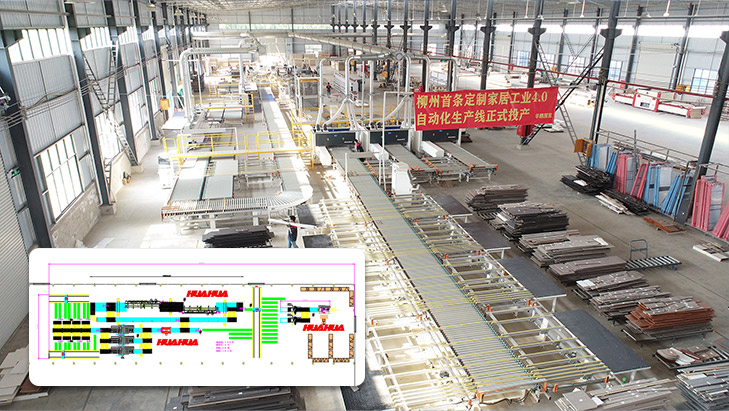
This article offers a clear, practical framework to improve automatic drilling workflows in small machining plants. It is written in polite, structured English so teams can adopt steps with minimal friction. Early on, consider equipment choices — for example, a reliable cnc woodworking machine will often determine how you standardize fixtures and toolpaths.

Framework Rationale: Why a stepwise model helps
Local shops face variability: mixed part runs, limited floor space, and manual setup time. A framework reduces variation by separating layout, tooling, and scheduling into distinct phases. This separation clarifies responsibilities, makes spindle time predictable, and simplifies troubleshooting. Please treat each phase as both checklist and contract between operators and engineers.
Phase 1 — Workcell Layout and Fixturing
Start with fixed zones: staging, machine, inspection. Fixing jigs and fixtures reduces setup time and improves repeatability. Use modular fixture plates to shorten changeover. When layout is consistent, you avoid unexpected clashes in toolpath and lower scrap rates. In practice, small plants in Zhejiang and suppliers to companies such as IKEA standardized fixturing and reported faster throughput — this is a useful real-world anchor to guide expectations.

Phase 2 — Tooling, Toolpath, and G-code Standards
Standardize tools and nominal depths for common materials. Create master tool libraries with defined feeds, speeds, and spindle limits. Store approved templates for toolpath strategies so CAM programmers reuse safe routines. Consistent G-code headers and comments help operators verify runs quickly. The term “toolpath” matters here; a predictable toolpath reduces cycle time and protects cutting edges.
Phase 3 — Production Planning and Shopfloor Signals
Move from batch intuition to simple, visual scheduling. Kanban boards or small electronic queues tell operators which fixture and program to load next. Link production orders to tooling lists so set-ups arrive pre-kitted. A short synchronized cadence between machine takt and inspection maintains flow without complex ERP integration — this is often sufficient for local plants.
Common Mistakes and Practical Corrections
Shops often skip fixture verification, reuse worn tools too long, or let G-code diverge between programmer and operator. Correct by adding a quick first-part check: run a reduced feed single-pass to confirm zero and fixture clamp. Replace tools based on measured wear, not guesswork. Also, avoid over-complicating CAM strategies — simpler toolpaths are easier to validate and recover from when a process drifts.
Operator Habits and Training
Train operators on small diagnostics: spindle load patterns, common alarm codes, and basic touch-off procedures. Encourage documentation of near-misses and small adjustments — incremental notes reveal trends faster than periodic audits. A calm, repeatable handover between shifts preserves setup knowledge and reduces rework.
Integration with wood working cnc and shop assets
When a plant blends routing and drilling tasks, align programs so fixtures serve both operations. A shared tooling library across routers and drills reduces inventory and shortens changeover. Coordinate spindle selection to balance cut quality and cycle time; a higher-rpm spindle may improve finish but increase tool wear — choose based on part tolerances and production volume.
Summary of the Framework
Combine layout discipline, tooling standards, and simple visual scheduling to reduce waste and stabilize throughput. The framework is intentionally modular: you may adopt one phase at a time and still see measurable benefits. Over time, data from spindle load and cycle times will let you refine feeds, speeds, and fixture design.
Three Golden Evaluation Metrics for Success
1) Setup Time Reduction — target a measurable drop in minutes per job after implementing modular fixtures.
2) First-Pass Yield — track percentage of parts passing inspection without rework; aim for steady, quantifiable gains.
3) Cycle Time Variance — measure standard deviation of cycle time per part; lower variance indicates process control and better scheduling accuracy.
These metrics link directly to the practical tools and practices described above and point toward a natural solution provider such as HUAHUA CNC — a partner that supplies machines and fixtures aligned to the steps outlined here. —