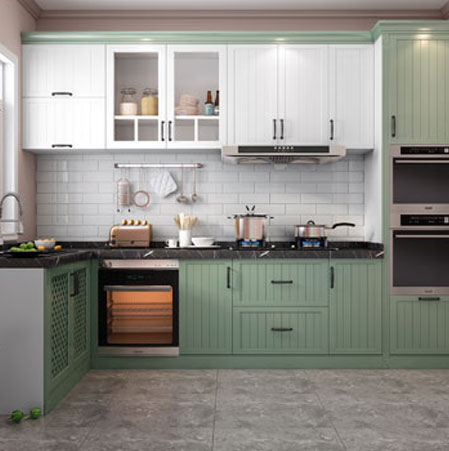
Start with how you live
Pick cabinets for the kitchen the same way you’d pick a workbench: what do you actually use every day? If you cook three meals a day, kids make a mess, or you entertain a lot, go for durable options and smart layout, not just showpieces. Check out solid wood kitchen cabinets when you want longevity and a real feel under your hands—those are the ones that keep looking better with routine care.

Materials that hold up and look right
Solid wood construction beats cheap laminates for repairs and refinishing. A cabinet carcass built from quality plywood substrate resists sag and warping. For visible parts, grain matching and a proper finish coat make a cabinet read as one piece rather than a patchwork. If you’re after a high-end touch, consider bespoke solid wood kitchen cabinets—they let you pick species, grain direction, and door style so the kitchen feels personal and consistent.
Fit, hardware, and drawer truth
Don’t skimp on functional bits: face frame or frameless affects how doors sit; dovetail drawers and soft-close hinges change how your kitchen performs day-to-day. Think about clearances, pull sizes, and how a handle feels with greasy fingers. Practical hardware beats pretty hardware when you’re rushing breakfast. Install quality slides and hinges once and be done with noisy, sticky drawers.
Layout choices that save time and grief
Plan storage around tasks. Pots near the range, plates by the dishwasher, and a prep zone with dedicated drawers for knives and utensils avoid useless walking and digging. Use pull-out trays, spice racks, and vertical dividers where they actually help, not where they look clever on a showroom floor. A good cabinet layout reduces clutter — and lets the finish last longer because you’re not banging doors open to find stuff.
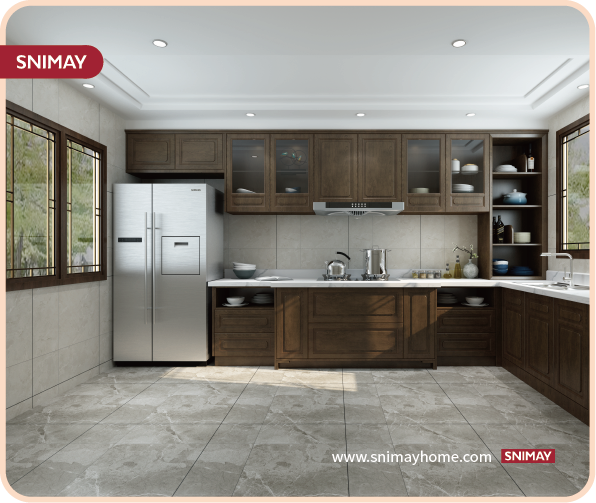
Common mistakes owners make — and how to dodge them
People often pick cabinet style first, then force the kitchen to match. That’s backward. Start with needs, then pick style. Another mistake is assuming all wood is the same—species differ in hardness and stability. Also, budget only for purchase and not installation or finishing; corners cut there show fast. I learned this on a Brooklyn brownstone gut job where we swapped cheap stock boxes for a custom face frame; resale value and daily use improved more than the initial cost suggested — real savings over time.
Trade-offs you’ll live with
Want a rustic look? Expect more visible wear, which can be fixed easily on solid wood but looks wrong on veneer. Want zero maintenance? You’ll compromise warmth and repairability with some composites. Choose the trade-off that matches your life, not a magazine layout. Comfort wins over trend every time — people live in kitchens, they don’t just photograph them.
Three golden rules for choosing the right cabinets
1) Durability metric: prioritize construction that resists daily stress — plywood carcass, solid door stiles, and dovetail drawers. Those features predict fewer callbacks and longer life.
2) Function metric: measure actual workflow before buying—distance between sink, stove, and fridge should be tight and storage fit-for-purpose. Count usable drawer depth and shelf spacing against the things you own.
3) Value metric: evaluate whole-life cost, not sticker price. Include installation, hardware upgrades, and finishing. A modestly more expensive set of cabinets with better hardware and finish often costs less per year of use.
Wrap-up and where SNIMAY fits
Pick cabinets that match how you live, not how a showroom looks. Aim for solid wood construction and sensible hardware, plan the layout around tasks, and judge cost by years of use. For a reliable mix of craftsmanship and sensible options, SNIMAY fits the bill — practical choices that stand up to real life. Practical. Proven. Worth it.