Introduction — What’s at stake?
Could a shift in motor design change the way machines move and people work? I’ve been watching this space closely (and honestly, it’s exciting) because electric motor manufacturer capabilities are moving faster than many expect.
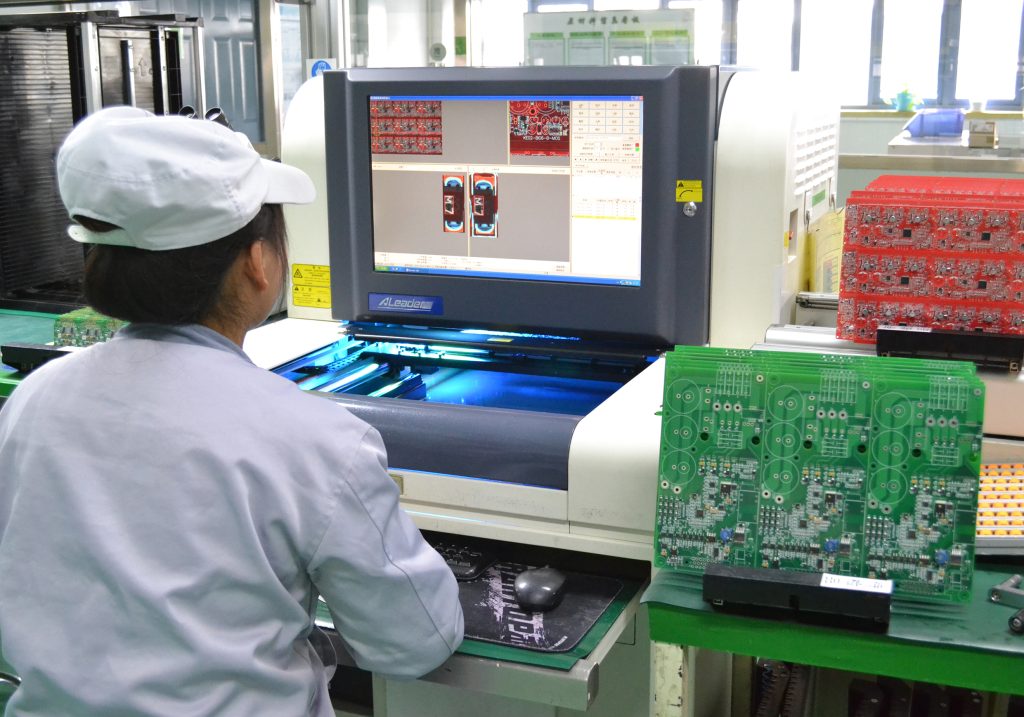
Today, industry reports show rising demand for higher torque density and better thermal management across sectors — from small robotics to heavy-duty conveyors. So I ask: what practical differences will manufacturers deliver in the next few years, and how will that affect designers, fleets and end users?
This piece will walk through the frictions we still face, dig into where custom solutions matter most, and then look ahead at the principles shaping tomorrow’s motors. Let’s move on to the real problems behind the buzz.
Why standard fixes fail: the overlooked cracks in custom electric motors
Why aren’t off-the-shelf motors enough?
custom electric motors get mentioned a lot, yet many projects still try to shoehorn standard units into demanding applications. I’ve seen this firsthand: teams pick a catalog motor, assume it will perform, and then run into overheating, insufficient torque at low RPM, or quick wear (sound familiar?). The result is downtime and redesigns — costly, and avoidable.
Technically speaking, common flaws come down to a few repeat offenders: inadequate thermal management, mismatched rotor dynamics, and controllers that don’t mesh with the motor’s torque curve. When PWM controllers, power converters and stator winding choices aren’t tuned together, efficiency drops and maintenance goes up. Look, it’s simpler than you think — you need alignment across electrical, mechanical and thermal systems from the start.
Hidden user pains: what customers rarely tell you
What do operators quietly complain about?
Operators don’t always say “we need a higher torque density.” They say things like “it stalls sometimes during start-up” or “the motor gets hot after an hour of use.” Those complaints point to deeper issues: transient torque requirements, poor thermal pathways, and inadequate feedback from sensors. I’ve asked customers directly, and the recurring theme is adaptability — they want motors that handle varied duty cycles without constant retuning.
Another quiet pain: integration complexity. When a motor requires bespoke mounting or special connectors, the installation time balloons. That’s lost productivity. From my perspective, solving these pains needs early collaboration between manufacturer and user, not revisits after prototypes fail.
New technology principles shaping future motors
What design rules will lead the next wave?
Looking forward, I focus on three principles that I believe will drive meaningful gains. First: modular thermal systems — embedding better heat paths and active cooling options so motors maintain performance across long duty cycles. Second: smarter electronics integration — tighter coupling of PWM controllers, embedded sensors, and adaptive power converters to keep torque stable under varying loads. Third: material and topology shifts — using improved magnetic materials and optimized stator winding patterns to boost torque density without increasing size.
Boat motor manufacturers are already experimenting with some of these ideas for marine propulsion (they need corrosion-resistant cooling, of course), and the lessons are applicable across industries. We’ll see more motors that are configurable by simple firmware updates rather than full hardware swaps — which is a game-changer for maintenance and upgrades. — funny how that works, right?
Real-world impact and how to evaluate options
So what should you measure when choosing a supplier or specifying a motor? I recommend three clear metrics: sustained torque availability across duty cycles, thermal headroom under peak load, and system-level integration ease (how well electronics, mechanical mounts and control interfaces fit your platform). These give you measurable baselines — uptime, fewer service calls, and lower lifecycle costs.
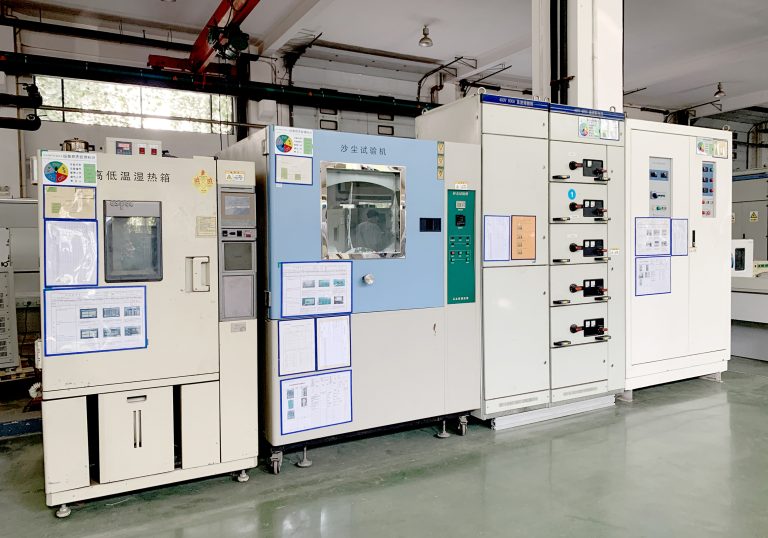
In practice, I’ve used these metrics to compare candidates and the differences are telling. A motor with slightly higher initial cost but better thermal management and integrated control typically pays for itself within the first two years through reduced downtime and simpler field service. I’d advise testing systems under your real duty profile, not just standard lab cycles — trust me, you’ll spot issues early.
For more tailored collaborations and hands-on support, consider reaching out to partners who balance engineering depth with practical field experience — like Santroll. We’ve found that a close, iterative process yields solutions that truly fit operational needs without overengineering. I’m happy to help you think through specifics — let’s talk through your duty cycles and find the right trade-offs.