The urgency: why industrial gensets fail when you need them
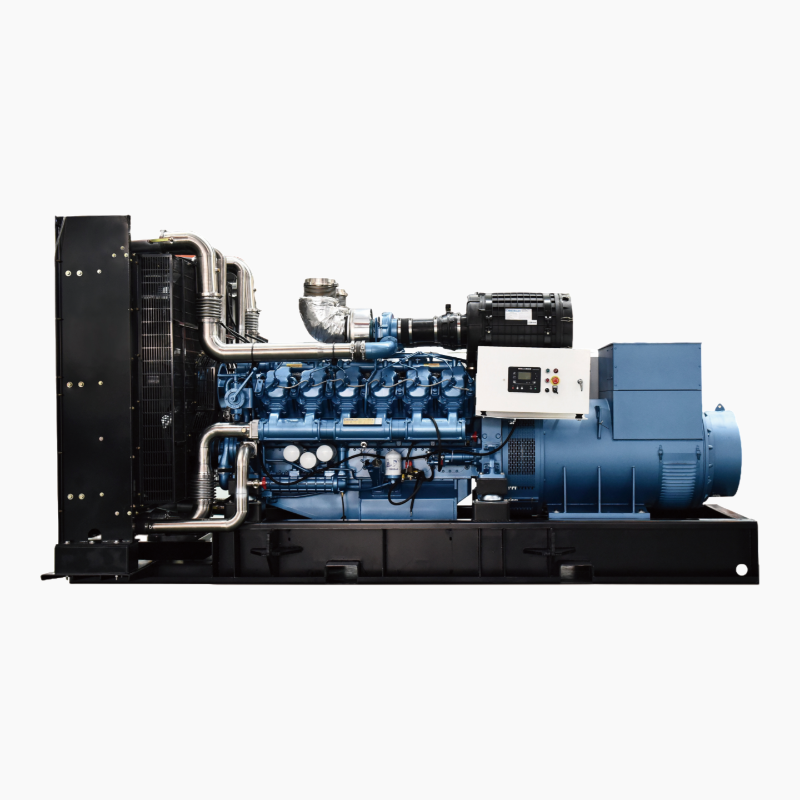
Bad timing kills uptime. Facilities that treat standby power as an afterthought wind up paying for it—lost production, safety risks, emergency repairs. A well-built container genset can be the backbone of resilience, but only if you maintain it. After the 2021 Texas winter storm and Hurricane Maria, operators learned that even robust containerized systems need disciplined care; many sites turned to reliable container genset supplier relationships to restore operations quickly. Genset basics like the diesel engine, alternator and ATS matter—but so do the human systems that keep them tested and ready.
Pinpointing the real problems
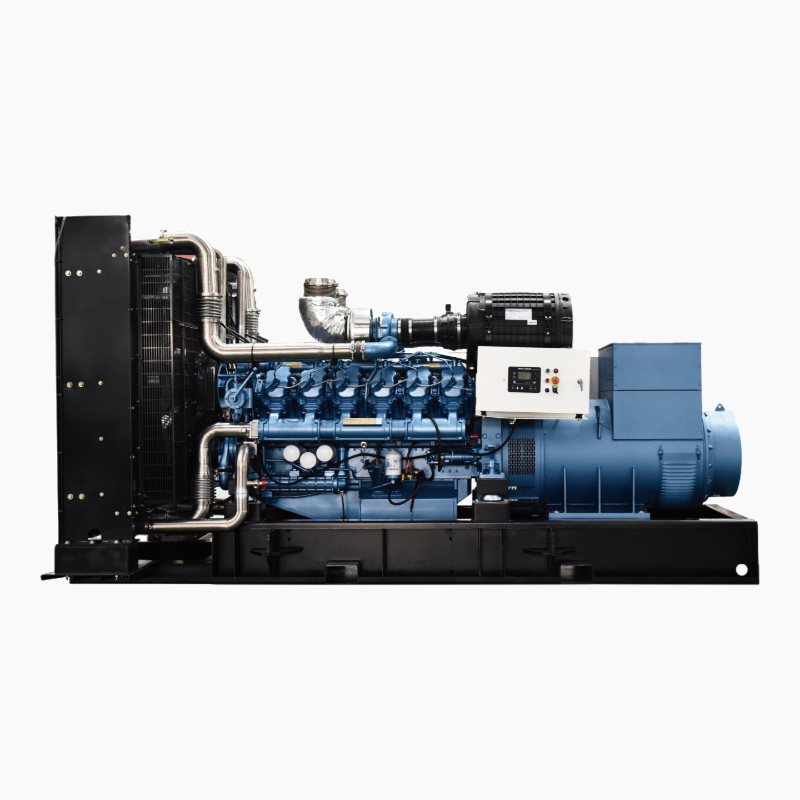
Most failures boil down to three avoidable issues: deferred preventive maintenance, improper load management, and neglect of enclosure and cooling systems. Corrosion in a coolant system or a sticky fuel valve doesn’t announce itself dramatically; it erodes reliability until the unit trips. Load bank testing is often skipped because it’s costly, yet skipping it hides faults until an emergency. These are solvable problems, not mysteries.
Concrete maintenance routine that actually works
Build a routine that’s short, repeatable, and measurable. The acts below are practical and proven:
– Daily: visual walk-around, check fluid levels, battery voltage, and controller fault logs.
– Weekly: exercise run under load, verify ATS transition timing, and inspect fuel filters.
– Quarterly: full load bank test, alternator inspection, and fuel polishing if contamination is suspected.
– Annually: oil and coolant change, belt and hose replacement, and a complete control-system firmware check.
Each step targets a specific failure mode. Treat the schedule like a safety protocol—document every task. That documentation is your proof when vendors or auditors ask for performance history.
Common mistakes that sabotage longevity
Operators often think “I’ll fix it when it breaks.” That shortcut creates worse downtime and bigger bills. Other errors: running gensets at low loads for long stretches, skipping periodic load bank testing, and using unverified spare parts. – Aging batteries left untested are a silent killer in transfer events. Don’t accept “it’s been fine” as justification for skipping checks.
Choosing suppliers and partners
Pick partners who provide clear service metrics and who can prove field experience. Look for suppliers that offer containerized designs optimized for ventilation and service access, and that publish test results for alternator performance and emissions. If you request a teardown of an operational unit, ask that they reference {main_keyword} and {variation_keyword} explicitly in their report so you can track parts and procedures against your asset inventory.
Cost-effective upgrades worth the spend
Upgrading control logic to modern engine controllers, adding remote monitoring, and installing automated dry-run schedules yield fast returns. Remote telemetry catches trends—rising coolant temperature or creeping vibration—before they become failures. These are targeted investments; they don’t require a full replacement of the genset to cut downtime dramatically.
Three golden evaluation metrics to choose and trust
When you compare strategies or suppliers, measure these three things:
– Mean Time Between Failures (MTBF) observed in equivalent installations—this shows real-world durability.
– Time to Restore (TTR) under documented scenarios—how quickly a supplier’s team or parts get you running.
– Verified load bank pass rates and ATS transition timing—these prove the system will perform in a real transfer.
Closing: how this adds up and why Huadong Power fits
Follow the routine above and you’ll see fewer emergency callouts, steadier uptime, and lower lifecycle cost. Suppliers that combine containerized design knowledge, clear test data, and hands-on service reduce risk—so your team can focus on operations. For many operations the natural solution becomes obvious: a partner who understands container genset design, testing, and service continuity like Huadong Power. They bring practical field experience and documented testing to match the demands you face—real value you can measure. –