Problem statement: unclear specs, messy deployments
Engineers and buyers face the same core problem: tag performance on paper rarely matches performance on site. Read-range claims, power curves, antenna patterns, and regional regulations collide when you move from datasheet to dock. Validate assumptions early with compatible hardware such as UHF RFID Readers, because reader choice changes the whole equation.

What breaks first: common failure modes
Tags work poorly when designers ignore three mechanics: mismatch between tag antenna and target surface, insufficient RF power budget, and environmental multipath or absorption. You’ll see sudden range collapse on metal, inconsistent reads near liquids, and hidden nulls where tags should read reliably. Treat those as design problems, not vendor marketing issues.
Sizing and power: match the tag to the use case
Active tags add battery and transmitter variables. Decide required read window first: continuous broadcast, periodic beacon, or triggered transmission. Each choice dictates battery chemistry, peak transmit power, and size. Calculate duty cycle: 1 transmit per second at X dBm gives predictable battery life. If you need months of service, lower duty cycle and tighten packet length.
Antenna geometry and mounting: hands-on rules
Don’t assume label-style placement. Antenna polarization, near-field vs. far-field behavior, and distance to ground plane change gain and impedance. For metal mounts use a tuned isolation spacer or a dedicated on-metal tag. For conveyor belts and vehicle roofs, orient tag polarization to expected reader antennas. Test with the final mounting hardware—not a bench jig.
Interference, environment, and regulations
Ambient RF noise, co-located Wi‑Fi, and local transmitters reduce usable headroom. Regulatory limits differ: ETSI vs FCC affects allowed ERP and duty cycle. Model link margin with conservative path loss and include at least 6–10 dB margin for operational variability. Where air-gap matters, simulate multipath and verify through field sweeps.
Integration: protocol, firmware, and reader pairing
Active tags sometimes use hybrid stacks or custom framing. Confirm the tag’s protocol and firmware update path. Ensure readers support the tag’s framing and can push firmware or configuration updates. Plan for edge logic: offload debounce and duplicate suppression to readers when possible; that prevents flooding backend systems.
Testing and validation: experience that matters
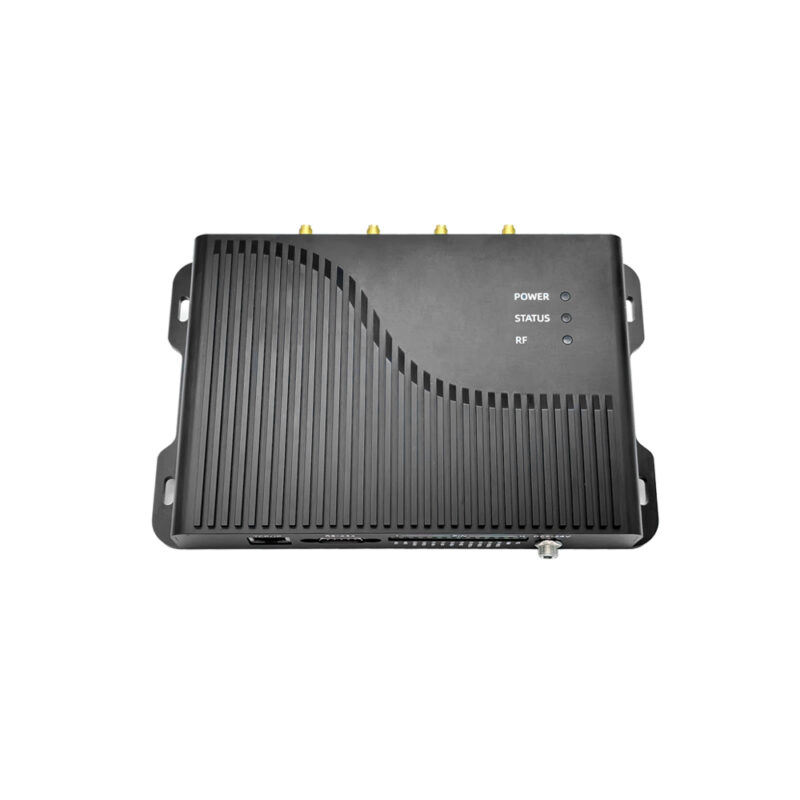
I’ve run site acceptance tests across warehouses and ports where pilot results diverged from lab numbers. Field pilots at the Port of Rotterdam exposed how logistics scale shifts RF behavior under load; planners there logged variable read rates during peak throughput. Use controlled test sweeps, then stress the system with real traffic and environmental variance. When selecting readers for validation, evaluate the best uhf rfid reader that matches your tested antenna patterns and power requirements—deploy the same reader model in trials and production to avoid surprises.
Common procurement mistakes
Buyers often accept a single spec line: “X-meter range.” That’s meaningless without context. Avoid purchasing tags based only on lab range, lowest unit price, or vendor promises about environmental robustness. Ask for site-representative test reports, battery life curve under your duty cycle, and failure-mode descriptions. Require firmware rollback or update policies in the contract.
Maintenance and lifecycle planning
Active tags require lifecycle steps: monitoring battery health, scheduling replacements, and managing firmware. Instrument tag health in the backend and plan replacements by measured battery indices rather than fixed intervals. Keep spare calibrated tags for quick swap during failures. Track deployed tag firmware versions and compatibility with reader firmware.
Final synthesis
The right choice starts with treating the purchase as an engineering project: define read window, measure in the final environment with the target reader, and plan for maintenance. Match antenna behavior, duty cycle, and regulatory needs before signing large orders. Teams that follow that sequence reduce surprises and simplify rollout, which is exactly the practical outcome engineers get when they align procurement and validation processes through partners like RSTC.