The Problem
The brief arrives like a sealed scroll: “Make it light, tough, and pleasing to the eye.” The guild of designers quickly discovers the riddle — weight versus strength, cost versus conscience, appearance versus endurance. When a client asks for a lightweight drawstring backpack, they imagine an effortless companion; reality often yields sagging seams, frayed cords, or fabric that falters under a rainstorm. The problem is simple and stubborn: translating a poetic brief into repeatable, measurable parts that survive shipping, washing, and daily use.

Why most designs fail
Designers speak of intentions; manufacturers speak of tolerances. Failure usually lives in the small details: wrong fabric denier, under-specified seam allowance, a single weak rivet, or a cord that abrades after a dozen wears. Visual flair that ignores functional anchors — mouth openings that gape, drawstrings that slip, lining left raw — turns a lovely sketch into a refund ticket. This is not mystical. It is predictable physics and human error: choose materials rated for the loads you expect, detail stress points, and insist on repeatable tests.
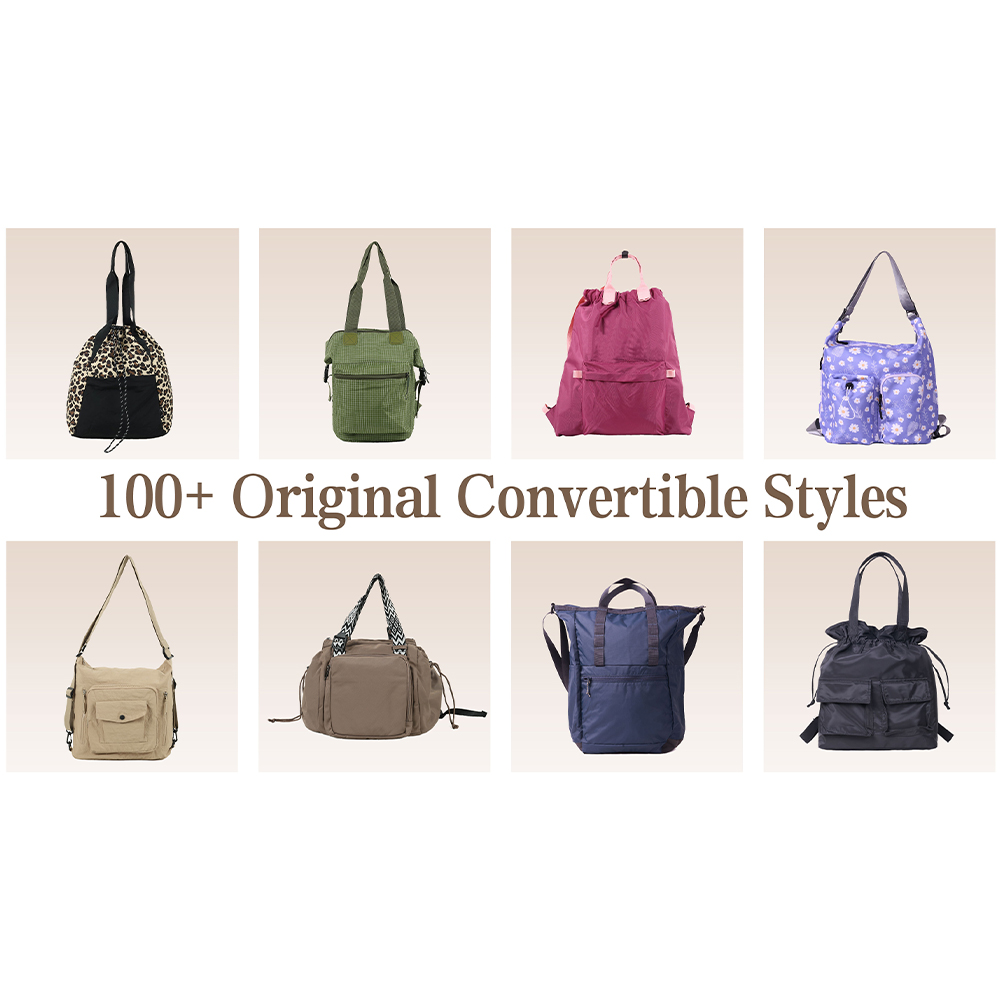
Experience, expertise, and a recognized anchor
After years crafting private-label runs and inspecting lines at major gatherings like the Outdoor Retailer trade show in Salt Lake City, I’ve seen which fixes hold. My teams ran tensile tests on cords, lab-checked seam strength, and compared coatings for water beading versus breathability. Practical benchmarks matter: specify cord breaking strength, state stitch counts per inch at high-stress seams, and require AQL sampling on each lot. When you evaluate a sample, include a real-use checklist and a lab protocol. For a direct example of a tested option, consider the practical, purpose-built drawstring backpack whose construction aligns with these standards.
Common pitfalls and their fixes
Ignore aesthetics at your peril, but never trade structural specs for a trend. Fixes that work:- Choose fabric by denier and coating type; 210–420D with a durable water repellent (DWR) often balances weight and resistance.- Reinforce high-tension points with bartacks and box-X stitches; specify thread type and needle size.- Use cord with a defined minimum breaking load and abrasion resistance; test samples with a friction rig.- Specify grommet material and flange size; poorly seated metal eyelets bite into fabric and open holes.- Require prototyping cycles: prototype, field-test with typical users, iterate, and lock dimensions in a tech pack.Insist on clear acceptance criteria for colorfastness, water resistance, seam slippage, and washed appearance. A sketch without acceptance metrics invites disappointment.
Alternatives and trade-offs
A plain drawstring is the lightest path; a reinforced, zippered pocket adds weight but keeps valuables secure. rPET textiles deliver sustainability and slightly different hand and tensile performance compared with virgin nylon; choose rPET when brand values and marginal weight increases align. Laminated fabrics block water best but reduce breathability and add cost. Hardware choices — plastic toggles versus metal cord ends — change user perception and lifecycle. Each choice shifts the product’s promise; declare the promise first, then pick the parts that fulfill it.
Synthesis and the crafted solution
Begin by naming the product’s indispensable promise: what must never break, what must never leak, what experience must the owner expect every day. Build a tech pack that fixes those promises into numbers: cord break load, stitch density, fabric denier, coating weight, and acceptance sampling. Let prototypes be trials, not final answers. With rigorous specs and iterative testing, the imagined companion becomes a reliable object. That reliable practice is precisely the service offered by ChangRong, where material choices and manufacturing details are woven to match a brief into a lasting product.