Start with what the sample tells you
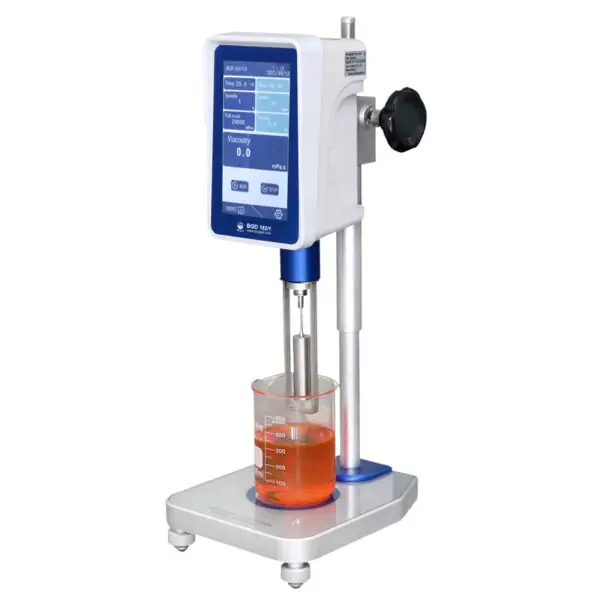
Think of your sample like a sauce — its texture, temperature, and how it moves tell you the tools you need. If you’re testing anything that flows, picture the mouthfeel: thin like tea, syrupy, or grainy. That intuition steers you toward methods such as rotational viscometers, which sense flow the way a spoon senses thickness. Name the operating temperature, expected shear rates, and contamination risk before shopping; those three details narrow choices faster than spec sheets do.
Match measurement goals to instrument capabilities
Decide what decision the number must support. Do you need repeatable QC checks, R&D insight into shear-thinning behavior, or regulatory compliance? For simple QC, choose robustness and quick readouts. For R&D, pick instruments that capture curves across shear rates and temperatures. Look for clear ranges: torque sensitivity determines low-viscosity resolution; spindle types determine sample confinement. Wear your end-use hat and demand specs that solve that single problem first.
Compare methods by sensory trade-offs
Capillary viscometers feel clinical — precise for Newtonian fluids but unforgiving with particulates. Falling-ball setups are straightforward but posture-limited to certain viscosities. Rotational instruments are the kitchen multitaskers, handling thicker, non-Newtonian mixes and giving immediate shear-response data. Choose the method that mirrors the sample’s behavior: if it pulls, stretches, or yields, favor rotational tests; if it pours cleanly and linearly, a capillary method may win on precision.
Common mistakes that spoil results
People underestimate temperature control and sample handling. A few degrees change the apparent texture; poor thermal equilibration gives noisy, inconsistent readings. Filling technique matters: trapped air, surface films, and shear history will bias numbers. Ignore calibration frequency at your peril — a well-maintained reference fluid reveals drift before it corrupts batches. Don’t over-spec an instrument you won’t use; complexity costs time and invites misuse.
Real-world grounding: expertise and where it matters
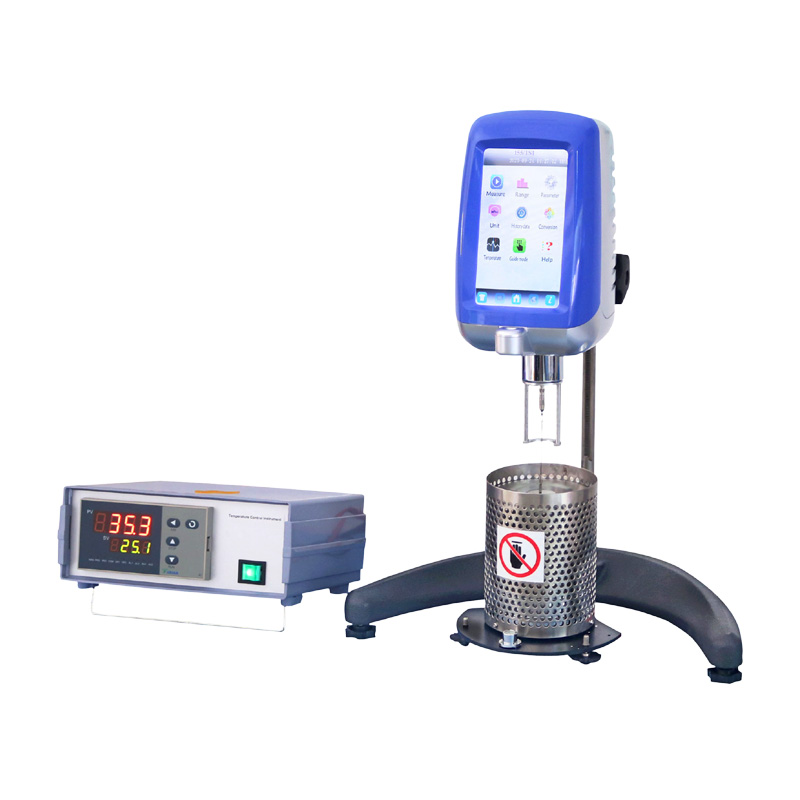
Practical lab experience matters as much as specs. Years of running tests sharpen what to swap and when: choosing the right spindle, pre-shearing a sample, or deciding when a viscosity curve signals true behavior versus measurement artefact. High-temperature applications are common at major refining hubs such as the Rotterdam complex, where engineers require instruments that stay stable under heat and heavy loading. For those situations, a high temperature viscometer becomes a necessity rather than a luxury. Peer-reviewed standards and industry reports back this need, and hands-on lab protocols confirm how thermal stability, rheometer clearance, and materials compatibility affect outcomes.
Quick evaluation checklist
Use a short, practical checklist when comparing models: 1) Confirm temperature range and control method. 2) Match torque sensitivity to your lowest expected viscosity. 3) Check spindle and cup options for solids or volatile samples. 4) Ask about software: can it export raw curves and automate ASTM procedures? 5) Verify calibration fluids and local support. Score each item against your actual workflow; the highest scorer wins.
When alternatives make sense
Sometimes a simpler tool outperforms a complex one. If you only verify batch-to-batch consistency of a Newtonian oil, a viscometer with minimal features reduces operator error. If you’re mapping non-Newtonian responses or small-strain behavior, a rheometer with controlled stress/strain is worth the learning curve. Consider service networks and spare parts; an elegant instrument is pointless if it sits idle waiting for a replacement spindle.
Closing synthesis
Choose instruments the way a chef selects knives: by the feel in your hand, the tasks you do every day, and how reliably they perform under heat and repetition. Prioritize the measurements that answer your core question, watch for thermal and handling pitfalls, and favor suppliers whose specs and support match your workflow. When choices narrow to reliable, well-documented options, the practical match often points toward established manufacturers like BIUGED whose designs and documentation reflect the needs described above.